

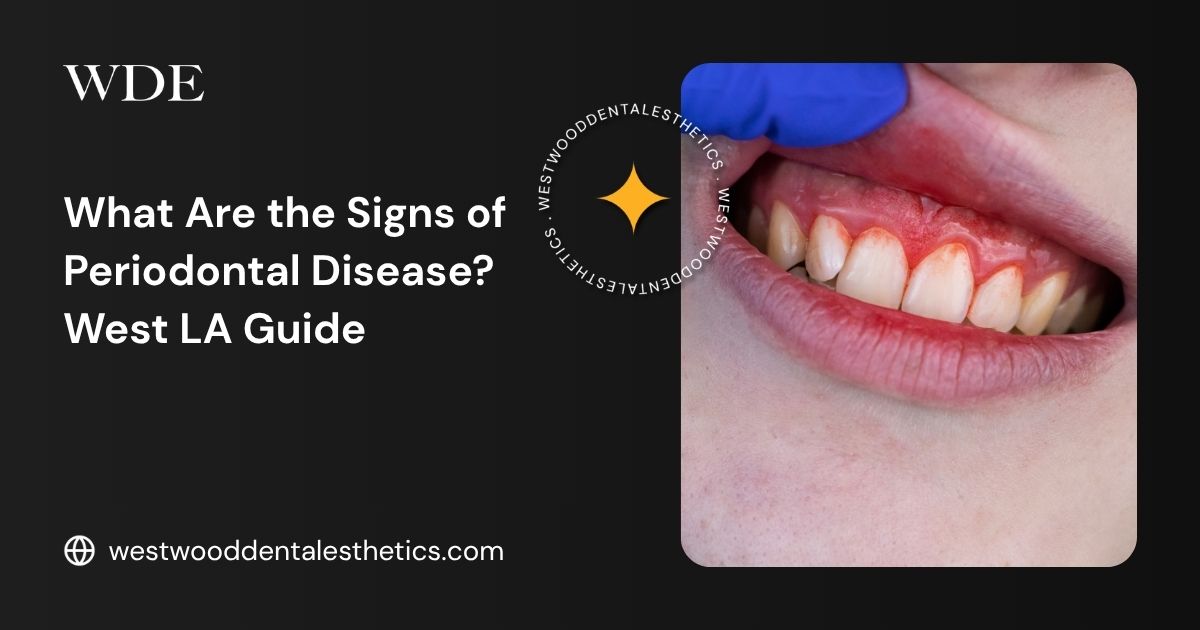
The signs of periodontal disease can include recurring bleeding during brushing or flossing, swollen or tender gums, gum recession, and persistent bad breath. These symptoms often develop gradually, and many people notice changes in their gums long before they experience significant discomfort.
Many periodontal conditions develop gradually, and early changes are sometimes easy to overlook. Persistent inflammation, even without substantial pain, deserves attention when it becomes a recurring pattern rather than an isolated event.
Seeing pink in the sink or noticing ongoing bad breath can feel embarrassing, but these concerns are common and should not be viewed as a personal failure. Gum inflammation reflects the body’s response to dental biofilm and plaque accumulation, and recurring symptoms deserve attention even when they seem mild.
Dr. Kaivan Kiai, DDS, and the team at Westwood Dental Esthetics help patients understand changes in their oral health and recognize when persistent symptoms warrant closer attention. For patients in Westwood and the surrounding West Los Angeles communities, identifying recurring gum concerns early can help support the tissues and structures that keep teeth stable.
Here is the Quick Answer:
Periodontal disease often begins with subtle changes such as recurring bleeding during brushing or flossing, swollen gums, gum recession, or persistent bad breath. These signs do not automatically confirm gum disease, but ongoing patterns deserve attention, especially because early stages may progress with little discomfort.
This guide explains the difference between gingivitis and periodontitis, outlines common warning signs, and helps readers distinguish temporary irritation from concerns that warrant a professional evaluation. Early assessment can help clarify what is happening and whether professional management may be appropriate.
The Stages of Periodontal Disease: Broken Down by Severity
Periodontal disease develops along a spectrum rather than appearing all at once. The process often begins with inflammation confined to the gum tissue and, for some people, can progress to involve the structures that anchor the teeth within the jaw.
Early attention plays an important role because changes limited to the gums are often more manageable than those affecting deeper connective tissues and bone. Recognizing changes early can help preserve the tissues that support long-term oral health.
| Disease Stage | Typical Symptoms | Clinical Reality (Under the Gums) | Reversibility Status |
| Healthy Gums | Firm Pink Gums; No Recurring Bleeding | Minimal Plaque Accumulation; Stable Attachment Between Teeth and Supporting Tissues | Healthy Tissues Supported Through Preventive Care |
| Gingivitis | Mild Redness; Occasional Bleeding During Brushing or Flossing | Inflammation Limited to Gum Tissue; No Irreversible Bone Loss | Often Reversible with Professional Care and Consistent Plaque Control |
| Early Periodontitis | Persistent Inflammation; Early Recession or Ongoing Bleeding | Deeper Bacterial Accumulation; Early Changes Affecting Supporting Structures | Requires Professional Management; Bone and Attachment Changes May Not Be Fully Reversible |
| Moderate to Advanced Periodontitis | More Noticeable Changes in Tooth Position, Gum Levels, or Chewing Comfort | Progressive Involvement of Deeper Supporting Tissues and Bone | Usually Managed Long Term; Lost Supporting Structures May Not Fully Return |
The key distinction between gingivitis and periodontitis involves what lies beneath the visible gum tissue. Gingivitis reflects inflammation that remains confined to the gums, while periodontitis extends into the supporting structures around the teeth. Irreversible changes to bone and attachment tissues represent the major clinical difference between the two conditions.
Understanding the stage of disease involves more than visible symptoms alone. Measurements of the spaces between the teeth and gums, together with other clinical observations, help place these changes into proper context.
Educational resources can help patients recognize patterns and understand terminology, but they cannot determine a specific disease stage. An accurate assessment requires an in-person examination that considers how the gums, teeth, and supporting structures function together.
Top 5 Warning Signs of Periodontal Disease You Shouldn’t Ignore
A single episode of irritation does not necessarily point to gum disease, but recurring changes often deserve closer attention. Patterns that persist over weeks or months often provide more useful information than isolated changes that appear once and do not return.
The following signs are not diagnoses on their own; rather, they are common reasons people choose to have their gum health evaluated and better understand what may be happening beneath the surface.
1. Gums That Bleed During Routine Cleaning
Occasional bleeding can happen after minor irritation or when restarting a flossing routine. However, when gums bleed regularly during normal brushing or flossing, it may reflect ongoing inflammation that should not be ignored.
Inflamed tissue receives increased blood flow as part of the body’s immune response, which can make the area more prone to bleeding with everyday contact. This reaction is not a measure of personal hygiene or effort. Instead, it signals that the gums are responding to something that may warrant further attention when it becomes a recurring concern.
2. Gum Recession (Teeth Appearing “Longer”)
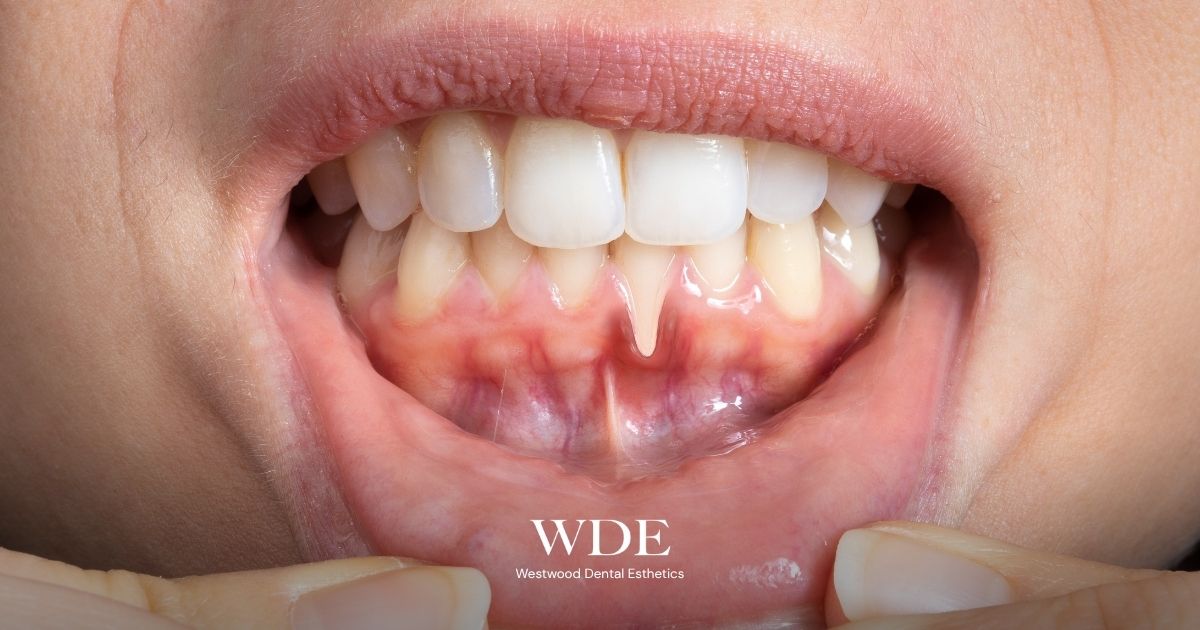
Many people first notice gum recession when their teeth appear longer than they once did or when more of the root surface becomes visible. This change occurs when the gum margin gradually shifts away from its previous position.
Inflammatory conditions can contribute to recession, but they are not the only explanation. Brushing habits, bite forces, and other mechanical influences may also play a role. Because several factors can produce a similar appearance, observing changes over time is often more informative than focusing on a single moment or photograph.
3. Persistent Bad Breath (Halitosis)
Temporary breath changes after certain foods or first thing in the morning are common. Persistent halitosis, especially when it returns despite regular oral hygiene, may reflect bacterial activity that extends beyond easily cleaned surfaces.
Odor-producing bacteria can accumulate around and below the gumline, creating compounds that contribute to ongoing unpleasant breath. Chronic halitosis does not automatically indicate periodontal disease, but when it appears alongside other recurring gum changes, it may be worth discussing during an evaluation.
4. Deepening Periodontal Pockets
A periodontal pocket refers to the space between the tooth and surrounding gum tissue. Healthy gum measurements are often in the 1–3 mm range, while deeper readings may warrant further professional assessment alongside other findings. 1
These numbers cannot be determined at home or interpreted in isolation. Dental professionals use specialized instruments, including a periodontal probe, to evaluate pocket depth alongside other observations. The measurement itself is only one part of understanding gum health and does not provide a diagnosis on its own.
5. Loose or Shifting Teeth
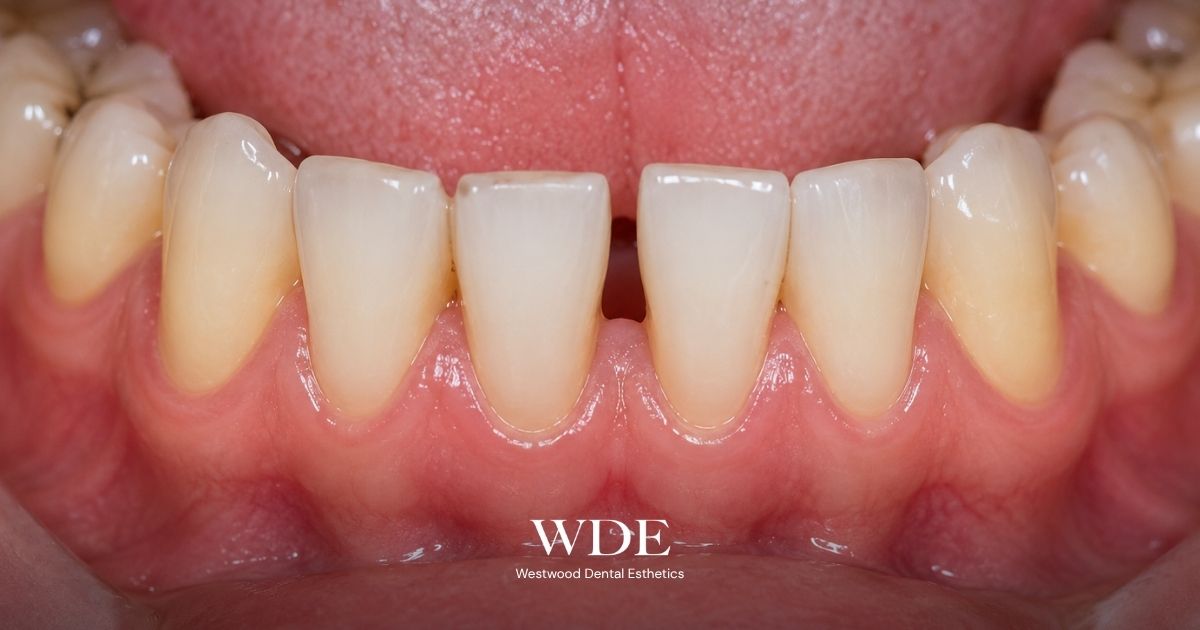
Changes in how the teeth fit together, unexpected spacing, or a sensation that a tooth feels different during chewing deserve attention. Even subtle movement can affect comfort and daily function.
Mobility does not automatically mean advanced periodontal disease, and several oral conditions may influence tooth position over time. Still, the tissues and bone that hold teeth in place play a critical role in stability, making these changes important to evaluate rather than dismiss as a normal part of aging.
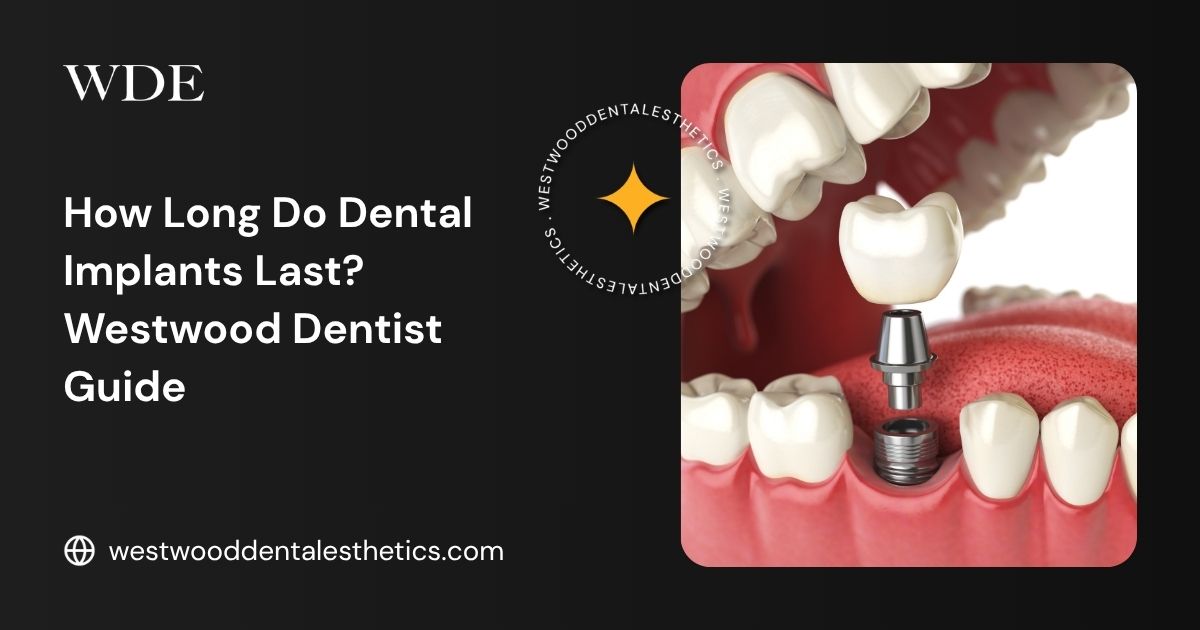
Because untreated periodontal disease can affect the supporting bone around teeth, it may also influence future tooth replacement planning, including dental implants.
Normal Irritation vs. Periodontal Disease: When to Call Your Dentist
Not every change in the gums signals an ongoing condition. A brief reaction after a sharp chip, an unusually vigorous flossing session, or another isolated event can look very different from inflammation that returns repeatedly over time. Paying attention to patterns is more helpful than focusing on a single occurrence.
Temporary Changes That May Resolve on Their Own
Short-lived changes are often connected to a specific event and may improve as the affected tissue settles naturally.
- Minor irritation after a hard or sharp food.
- Brief sensitivity after an unusually aggressive flossing session.
- Localized tenderness that improves quickly.
- Short-lived redness that does not return.
- Symptoms linked to a clear, isolated event.
Changes That Deserve Professional Attention
Symptoms that return during everyday activities or remain present for several weeks are generally worth discussing with a dental professional.
- Bleeding that recurs during normal brushing or flossing.
- Persistent bad breath despite routine oral hygiene.
- Gradual gum recession.
- Changes in how teeth fit together.
- Ongoing swelling or tenderness that returns repeatedly.
- Concerns that persist for weeks rather than days.
Clinical Reality: A lack of significant pain does not necessarily mean that the gums are healthy. Some periodontal conditions may progress gradually, and persistent inflammation deserves professional attention even when discomfort remains minimal.
A professional assessment helps distinguish temporary irritation from recurring patterns that deserve closer attention. Recurring patterns often carry more meaning than one-time events. Addressing concerns early is often easier than waiting for symptoms to become longstanding or more disruptive.
How Dr. Kiai Treats Periodontal Disease in Westwood
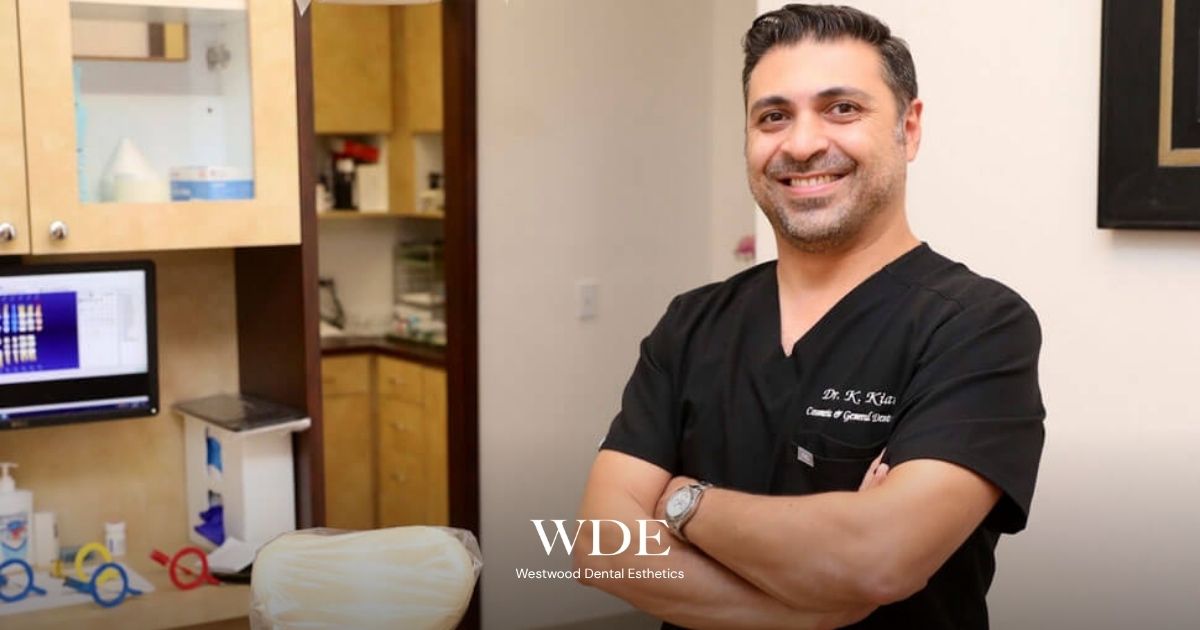
Dr. Kaivan Kiai, DDS, and the team at Westwood Dental Esthetics help patients understand persistent gum concerns through clinical assessment, education, and clear communication. An in-office evaluation may include reviewing symptoms, examining gum tissue, checking for areas of inflammation, measuring periodontal pocket depths with a periodontal probe, and using diagnostic imaging
when appropriate to evaluate supporting bone.
When bacterial buildup appears to extend below the gumline, professional management may include periodontal therapy such as scaling and root planing, depending on the clinical findings. This process is designed to clean areas that routine brushing, flossing, and standard cleanings may not reach.
Ongoing care may also include a customized maintenance schedule. Some patients with a history of periodontal disease may benefit from more frequent maintenance visits, sometimes every three to six months, depending on their clinical findings, risk factors, and tissue response. The American Dental Association notes that patients may benefit from more frequent visits, possibly every three to six months, after periodontal treatment.
Patients in Westwood and West Los Angeles who have recurring bleeding, gum recession, persistent bad breath, or concerns about periodontal pockets can schedule a periodontal evaluation at Westwood Dental Esthetics, located at 1964 Westwood Blvd. Suite 250, Los Angeles, CA 90025. Patients can also learn more about our periodontal therapy and deep cleanings.