

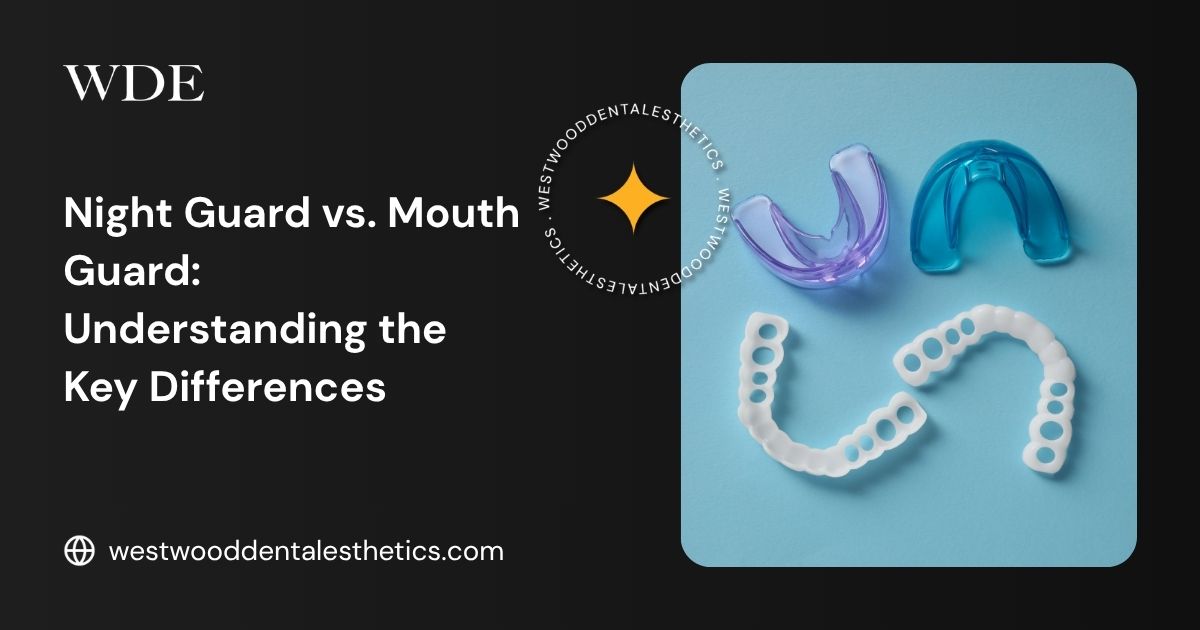
A night guard protects teeth from grinding or clenching during sleep, while an athletic mouth guard helps protect the teeth and surrounding tissues from sports-related impact injuries. Both serve a protective purpose, but they are designed to address completely different concerns and should not be used interchangeably.
Many people first encounter these terms in a sporting goods store, at a pharmacy, or through advice from friends and family. Because both devices protect teeth, the distinction between them is not always obvious at first glance.
The more important question is not which option is better, but which problem needs to be solved. A device intended for overnight wear serves a different function from one designed to reduce the risk of dental injuries during physical activity, even though both belong to the broader category of oral protection.
Dr. Kaivan Kiai, DDS, and the team at Westwood Dental Esthetics help patients in Westwood and West Los Angeles understand these differences so they can identify which type of protection aligns with the concerns they are actually trying to address.
Here is the Quick Answer:
Night guards and athletic mouth guards serve different purposes. Night guards protect teeth from grinding and clenching during sleep, while sports mouth guards help reduce the risk of dental injuries during activities involving contact or falls.
Morning jaw soreness, visible tooth wear, or partner-reported grinding may warrant a conversation about a night guard. Custom appliances may provide a more individualized fit for ongoing use, while store-bought options may suit temporary or occasional needs.
Night Guard vs. Mouth Guard: The Core Difference at a Glance
A night guard helps protect teeth from grinding or clenching during sleep, while an athletic mouth guard helps reduce dental injuries during sports and other impact activities. Although both are protective devices, they serve distinct purposes and are used in very different settings.
| Category | Night Guard | Athletic Mouth Guard |
| Purpose | Manages Grinding or Clenching During Sleep | Helps Absorb Impact and Reduce Sports-Related Dental Injuries |
| When Worn | During Sleep | During Practices, Games, and Physical Activities |
| Material and Construction | Designed for Repeated, Low-Grade Pressure During Overnight Use | Designed to Cushion Sudden Impact and Distribute Force |
| Fit Priority | Comfortable Overnight Wear and Consistent Bite Contact | Secure fit during movement, breathing, and speech |
| Custom vs. OTC | Custom Fit is Often Preferred for Ongoing Grinding | Boil-and-Bite May Suit Casual Play; Custom Is Common for High-Contact Sports |
Choosing the right appliance begins with understanding the type of protection needed rather than deciding which product is inherently better.
Do you need a night guard? Signs of Teeth Grinding (Bruxism)
Grinding and clenching frequently occur during sleep, which means many people are unaware of the habit itself. Instead, they often notice changes that become apparent in the morning or are identified during routine dental visits.
Because these changes develop gradually, many people do not connect them to nighttime habits until a dentist, partner, or recurring morning pattern brings them to attention.
Morning Symptoms
Jaw soreness after waking, headaches that are most noticeable in the morning, and early-day tooth sensitivity are commonly associated with nighttime grinding or clenching. When these symptoms appear consistently upon waking, they may justify a closer discussion about possible nighttime grinding or clenching.
Some people notice that discomfort gradually improves as the day progresses, while others recognize that mornings are consistently when symptoms feel most pronounced. Tracking when these sensations occur can provide helpful context during a dental discussion.
Visible Wear
Flattened biting surfaces, small chips, or gradual enamel wear sometimes develop over many years. These changes may be linked to grinding forces, although natural wear, bite relationships, and existing restorations can also influence how teeth appear.
Dentists occasionally identify subtle wear before patients notice any discomfort or cosmetic concerns. Regular examinations help place these findings into context rather than treating them as proof of a single condition.
Partner-Reported Grinding
Grinding sounds during sleep are often first recognized by a spouse or partner rather than the person experiencing them. Nighttime clenching can also occur quietly, leaving little outward evidence beyond observations from someone nearby.
Because many sleep-related habits happen unconsciously, outside observations sometimes become an important piece of the conversation. They offer useful information without establishing a diagnosis on their own.
TMJ and Jaw Changes
Clicking, popping, stiffness, or reduced jaw movement may warrant additional evaluation, particularly when these changes persist or become more noticeable over time. The jaw joint and surrounding muscles can respond to several different influences.
Bruxism is one possible factor, but it is not the only explanation. Similar experiences can arise from a range of conditions, making careful assessment more valuable than assumptions based on a single symptom.
Do you need a mouth guard? Sports and Impact Protection
Dental injuries are not limited to traditional contact sports. Activities that involve falls, rapid movement, shared spaces, or fast-moving equipment can also place the teeth and surrounding tissues at risk.
The likelihood of collisions, falls, or contact with equipment often matters more than whether a sport is traditionally viewed as “high impact.” Understanding the major categories of athletic mouth guards can help athletes and families choose an appropriate level of coverage.
Contact and Fall Risks Extend Beyond Football
Protective devices may be appropriate for basketball, soccer, skateboarding, martial arts, baseball, cycling, and many other activities where falls or accidental collisions can occur. Direct collisions are one consideration, but falls, accidental contact, and equipment-related impacts also play a role.
Not every participant faces the same exposure to injury. Frequency of play, level of competition, and the physical demands of the activity can all influence whether additional protection makes sense.
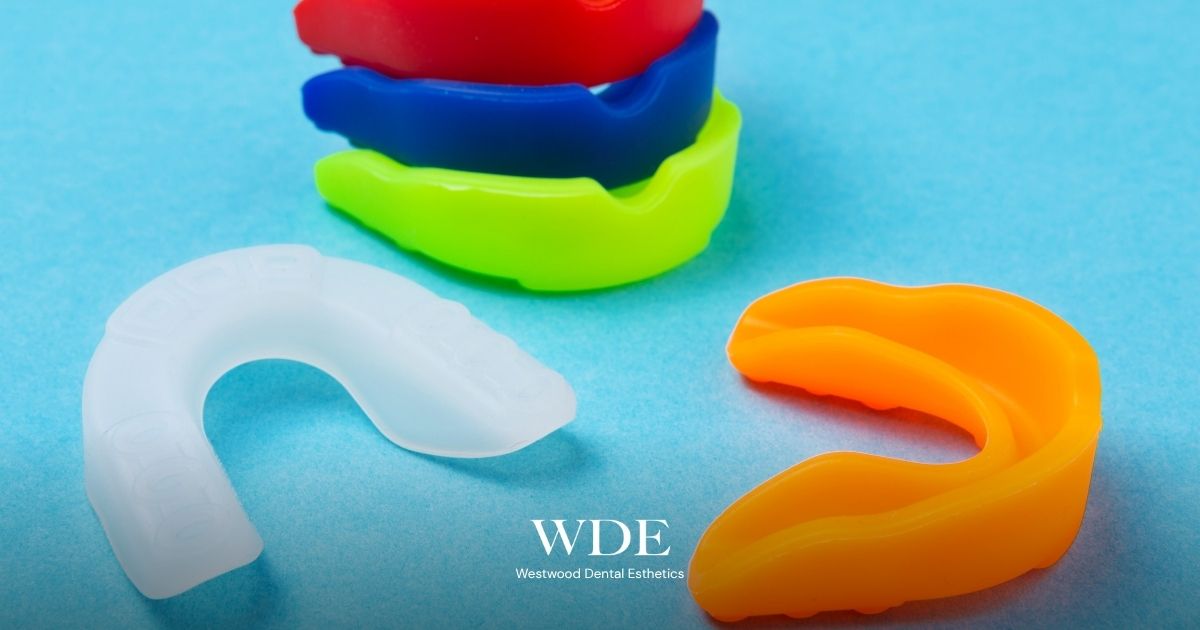
Stock Mouth Guards
Stock mouth guards are pre-formed products designed to be worn immediately without modification. They are widely available and require minimal preparation before use.
Because they offer limited adjustability, some people find them best suited for occasional participation or lower-intensity recreational settings. Their simplicity can be helpful when convenience is a primary consideration.
Boil-and-Bite Mouth Guards
Boil-and-bite mouth guards are softened in hot water and then molded at home to better match the shape of the user’s teeth. This approach generally provides a more personalized fit than stock designs.
They are commonly used across many recreational activities and offer a practical middle ground between ready-to-wear products and professionally fabricated appliances.
Custom-Fit Mouth Guards
Custom-fit mouth guards are frequently selected by athletes involved in competitive or high-contact participation. They are designed to remain comfortable during movement while supporting clear communication on the field, court, or training area. A secure fit may also reduce the distractions that some athletes experience with bulkier or less stable alternatives.
Improved retention may also help with breathing and speech during play. Even so, custom devices are one option among several and are not universally necessary for every athlete or activity.
The most suitable mouth guard depends on the type of activity, the level of contact involved, and how consistently the device will be worn.
Custom-Fit vs. Store-Bought: Is it worth the upgrade?
People comparing night guards often weigh upfront convenience against long-term comfort, fit, and the experience of wearing the appliance night after night. The most suitable choice is not always the same for every situation or level of use.
Store-bought products can serve a practical role for occasional or temporary needs, while professionally made appliances are designed around a person’s existing bite relationships. The differences become more noticeable when an appliance is worn regularly rather than occasionally.
| Consideration | Custom Night Guard | Store-Bought Night Guard |
| Fit and Comfort | Fabricated Specifically for the Individual’s Teeth and Bite | General Sizing with Limited Personalization |
| Occlusal Consistency | Designed for Even and Predictable Contact Patterns | Contact Points May Feel Less Uniform During Wear |
| Durability | Longevity Varies Based on Material, Use, and Grinding Intensity | May Require More Frequent Replacement |
| Replacement Frequency | Replacement Needs Depend on Wear Patterns | May Need Replacement When Fit or Material Changes |
| Long-Term Cost Considerations | Higher Upfront Investment | Lower Initial Cost, with More Frequent Replacement |
Long-term grinding can affect natural enamel as well as existing crowns, veneers, or other cosmetic restorations, which is one reason protective appliances may be discussed for some patients.
An imprecise over-the-counter night guard may feel uncomfortable or fail to provide consistent bite contact during overnight wear. For people with ongoing grinding or clenching, a professionally fitted appliance can provide a more predictable fit and may better support long-term comfort and tooth protection. The right choice ultimately depends on how often the appliance will be worn, the severity of the grinding, and individual clinical findings.
How Dr. Kiai Helps Patients Evaluate Guard Options

Dr. Kaivan Kiai, DDS, and the team at Westwood Dental Esthetics help patients determine whether a protective appliance matches their concerns, habits, and day-to-day needs. This discussion may involve gathering information from several sources rather than relying on a single symptom or observation.
A clinical examination may include signs such as worn tooth surfaces, small chips, or existing restorations that provide context about possible grinding habits. These findings are considered alongside a patient’s own experiences rather than interpreted on their own.
Sleep routines, stress patterns, and observations from a spouse or partner may also contribute to the discussion. Jaw clicking, stiffness, or limited movement can warrant additional evaluation and should not automatically be linked to bruxism. Patients experiencing persistent jaw symptoms can learn more about our TMJ treatment in Westwood, while those comparing protective appliances can explore our custom mouth guards service.
When a custom appliance is appropriate, dental records may be used to create a guard that corresponds with the patient’s existing bite and supports comfortable overnight wear.
Patients interested in discussing related concerns are welcome to schedule a custom night guard consultation at 1964 Westwood Blvd. Suite 250, Los Angeles, CA 90025. The visit provides an opportunity to discuss concerns, review clinical findings, and ask questions about available protective options.