


Pain and swelling after wisdom teeth removal often increase during the first two to three days before beginning to improve. Some patients experience their most noticeable discomfort around day 3 or 4, while many feel substantially better within one to two weeks. The exact timeline depends on factors such as the number and position of the teeth removed, the complexity of the procedure and individual healing.
For many people, the more useful question is not simply how long symptoms last, but what each stage commonly looks like as time passes. Knowing what is typical on day 1, day 4, or at the end of the first week can help place everyday experiences into context and reduce uncertainty during an unfamiliar period.
This topic often becomes relevant long before treatment takes place. Some readers are preparing for an upcoming appointment and want realistic expectations, while others are resting at home and wondering whether what they are feeling on a particular day fits a common pattern. A day-by-day framework provides a clearer reference point than broad estimates alone.
Dr. Kaivan Kiai, DDS, and the team at Westwood Dental Esthetics help patients understand what to expect before and after wisdom teeth removal through patient education, clear communication and individualized guidance. The purpose of this guide is to provide context for experiences that many patients encounter while recognizing that individual timelines may differ.
Here is the Quick Answer:
Most people experience a gradual improvement after the initial post-surgical period, although the pace can vary according to individual circumstances and the complexity of the procedure.
Mild tenderness, bruising, and temporary jaw stiffness are commonly associated with normal healing. Symptoms that become progressively worse, rather than better, deserve professional guidance instead of continued observation at home.
Wisdom Teeth Recovery, Day by Day
For many patients, the first two weeks follow a recognizable pattern, even though individual experiences vary. Understanding what commonly occurs at each stage can make it easier to interpret normal changes without assuming that every difficult day reflects a problem.
| Day | What’s Typical |
| Day 1 | Numbness gradually fades, mild oozing may occur, and facial fullness often begins |
| Days 2–3 | Pain and swelling may reach their highest point; bruising and jaw stiffness can become more noticeable |
| Days 4–5 | Symptoms should generally begin stabilizing or improving; pain that sharply worsens after initial improvement deserves a call to the dental office |
| Days 6-7 | Most patients notice continued improvement, although residual tenderness, bruising or stiffness may remain |
| Week 2 and Beyond | Most pain and swelling are substantially reduced, although mild tenderness, bruising or jaw stiffness may linger. Deeper healing continues beneath the surface after day-to-day symptoms improve. |
Day 1 — Surgery Day
The first day is often characterized by the gradual return of normal sensation as numbness wears off. Mild oozing from the surgical area can occur and is different from ongoing active bleeding.
Many patients also notice a feeling of fullness in the cheeks, temporary tightness when opening and closing the mouth, or a slightly unusual taste as the area begins to settle. Mild difficulty opening widely may occur early on and often becomes less noticeable over time.
Days 2–3 — The Expected Peak
For some individuals, this period brings the most noticeable tenderness and facial swelling. Bruising may also become more visible as the body’s natural response to oral surgery reaches its highest point.
Although these changes can feel discouraging, they commonly reflect ordinary post-surgical processes rather than anything unexpected. Many patients find that this stage represents the high point before gradual improvement begins.
Days 4–5 — The Turning Point
Many people begin to notice meaningful improvement during this stage, although mild stiffness or residual soreness can still be present. A pattern of symptoms that becomes progressively worse rather than gradually better will be discussed in the following section.
Days 6–7 — Continued Improvement
By the end of the first week, many patients report substantial progress in comfort. Facial fullness often becomes less noticeable, and ordinary daily routines may feel increasingly manageable again.
Residual tenderness, bruising or jaw stiffness can still occur even after the most noticeable symptoms have improved. These sensations should generally continue becoming less apparent over time.
Week 2 and Beyond — Ongoing Healing
By the second week, most pain and swelling are substantially reduced, although mild tenderness, bruising or jaw stiffness may linger, particularly after a more complex extraction. Many patients are increasingly comfortable with their usual daily routines by this stage.
Healing continues beneath the surface after the most noticeable symptoms have resolved. Any pain, swelling or difficulty opening the mouth that persists without improvement or begins worsening again should be discussed with the dental office.
Why Pain Sometimes Gets Worse Around Day 3–5 (Not Better)

For many patients, discomfort begins to ease after the early peak period. When symptoms become noticeably stronger around day 3–5 instead of steadily improving, it can create understandable concern about whether recovery is following an ordinary pattern.
Dry socket is one possible explanation for this pattern. It can develop when the blood clot protecting the extraction socket does not form properly, becomes dislodged or dissolves too early. This may expose the underlying bone and nerves, causing pain that is often sharper, deeper or more intense than the soreness associated with routine healing.
The timing and character of symptoms often help distinguish this experience. Some individuals notice that they were beginning to feel better before discomfort intensified again around day 3–5. The sensation may extend toward the ear or nearby areas of the face, and an unpleasant taste or odor can sometimes accompany these changes.
It is important to remember that most patients do not develop dry socket. Most recoveries continue along the expected course, with gradual improvement after the early peak period.
Understanding this pattern simply helps explain why a small number of people experience a different trajectory during the first several days after surgery.
Normal Healing vs. a Real Problem: Symptom Comparison
Most people experience a predictable pattern after wisdom teeth removal, but it can be difficult to know when a change deserves additional attention. Looking at how symptoms evolve over time is often more helpful than focusing on a single moment during the first stages of recovery.
| Common During Recovery | Worth Prompt Professional Attention |
| Facial Swelling That Peaks and Gradually Settles | Swelling That Becomes More Pronounced After Day 3 |
| Mild Oozing During the First Day | Bleeding That Continues Despite Appropriate Pressure Measures |
| Bruising That Changes Color as Time Passes | Fever or Feeling Unwell Alongside Ongoing Oral Symptoms |
| Temporary Stiffness When Opening the Mouth | Persistent or Worsening Numbness or Tingling |
| Tenderness That Slowly Becomes Less Noticeable | Severe Pain That Does Not Improve with Recommended Pain Management |
| Gradual Improvement from Day to Day | Pus or Other Concerning Discharge from the Surgical Area |
| Mild Soreness Around the Extraction Sites | Difficulty Swallowing or Breathing |
A pattern that moves in the wrong direction deserves more attention than one isolated difficult day. Contact the dental office promptly for pain or swelling that worsens after initially improving, persistent bleeding, fever, foul discharge or increasing numbness. Difficulty breathing or significant difficulty swallowing requires urgent medical care rather than waiting for a routine dental response.
Managing Pain and Swelling at Each Stage
Thoughtful attention to swelling control, food choices, oral hygiene, and everyday comfort measures can support a smoother experience after wisdom teeth removal.
Dr. Kaivan Kiai, DDS, and the team at Westwood Dental Esthetics encourage patients to follow the individualized instructions provided for their specific situation, as recommendations may differ according to treatment needs and personal circumstances.
Ice and Swelling Control
Cold therapy is often most helpful during the first 24–48 hours. Patients may be advised to apply a wrapped ice pack intermittently, such as for approximately 20 minutes followed by a break, depending on the postoperative instructions provided for their procedure.
Placing a clean towel or cloth between the skin and the ice pack can improve comfort and protect the area. Some individuals also prefer resting with the head slightly elevated, which may help reduce overnight puffiness.
Managing Discomfort Responsibly
Approaches to managing discomfort are not identical for every patient. Depending on individual circumstances, a dentist or surgeon may recommend prescription medication, over-the-counter products, or other supportive measures.
Following personalized instructions is generally the safest approach. Rather than relying on a standard routine found online, patients often benefit from guidance that reflects their specific procedure and medical history.
Diet Progression During Recovery

Soft or liquid foods are commonly recommended during the first 3–5 days. Yogurt, applesauce, lukewarm blended soups, mashed potatoes, eggs, smoothies eaten with a spoon, and well-cooked vegetables are examples that many people find easier to tolerate. Avoid drinking smoothies or other beverages through a straw during the early healing period.
Very hot, crunchy, sticky, spicy, or chewy foods may place unnecessary strain on sensitive areas during the early stages. As comfort improves, patients may gradually introduce foods that require light chewing while avoiding direct pressure on the extraction sites and following their individual postoperative instructions.
Oral Hygiene Without Disrupting Healing
Gentle salt-water rinses may begin after 24 hours, provided they are performed without vigorous swishing. A calm, light motion helps keep the mouth clean while respecting the tissues that are still settling.
Using straws is commonly discouraged because the suction created inside the mouth can disturb the protective clot covering the surgical site. Preserving that natural barrier helps reduce the likelihood of complications as the area continues to recover.
When can you return to normal activities?
Returning to everyday responsibilities often happens gradually rather than all at once. The pace may depend on individual circumstances, the nature of the procedure, and how comfortable a person feels during the first several days afterward.
Returning to Work or School
Many people plan to take at least 2 days away from work or school, including the day of surgery. When symptoms are manageable, many patients resume regular responsibilities within 2–3 days, though personal experiences can differ.
Jobs that involve heavy lifting, prolonged standing, or significant physical effort may require 3–4 days or longer before returning feels comfortable. A gradual transition back to normal obligations is often more manageable than attempting to resume everything at once.
Resuming Exercise and Physical Activity

Ordinary day-to-day movement often resumes after the first 24 hours, provided it feels comfortable and aligns with professional instructions. Gentle activities around the home are commonly well tolerated during this period.
More strenuous exercise and heavy lifting are usually postponed during the early stages because increased heart rate and blood pressure may contribute to additional bleeding, facial fullness, or tenderness. Many people restart physical activity gradually once symptoms have clearly improved, while contact sports and high-intensity training may warrant more individualized guidance.
How Dr. Kiai Supports West LA Patients Through Wisdom Teeth Recovery
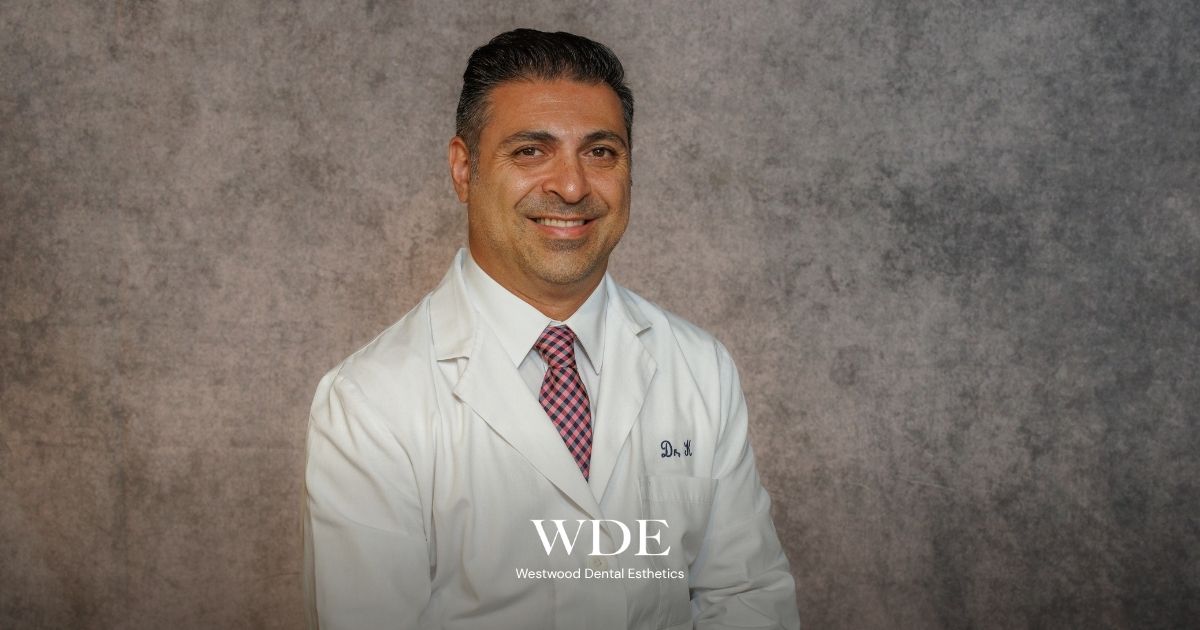
Dr. Kaivan Kiai, DDS, helps patients better understand wisdom teeth treatment and recovery through patient education, clear communication, and discussion of individual circumstances. Conversations before treatment often include the position of the wisdom teeth, current symptoms, and factors that may influence the overall experience.
Evaluation may involve reviewing appropriate imaging alongside the patient’s symptoms, oral health history and treatment needs. This broader perspective helps support individualized discussions and informed decision-making. Patients can also discuss questions about the procedure, common recovery experiences, and any concerns that arise before treatment begins.
Patients should receive postoperative guidance tailored to their procedure and clinical circumstances, including instructions for the early stages of recovery. Those receiving more extensive care may also benefit from broader information related to oral surgery services.
Patients in Westwood and West Los Angeles can schedule a wisdom teeth consultation at Westwood Dental Esthetics, located at 1964 Westwood Blvd. Suite 250, Los Angeles, CA 90025. Current postoperative patients experiencing worsening pain, swelling or other concerning symptoms should contact the office directly rather than relying solely on online guidance.