


What TMJ Treatment Addresses
The temporomandibular joints connect the lower jaw to the skull and help control everyday movements such as chewing, speaking, and yawning. When these joints or the surrounding muscles become irritated or strained, patients may experience jaw pain, clicking, popping, stiffness, or headaches.
TMJ-related symptoms can develop for several reasons, including clenching, grinding, bite imbalance, jaw injury, muscle tension, or joint inflammation. Treatment focuses on identifying contributing factors and reducing strain on the jaw joints and surrounding muscles.

Why Jaw Function Matters
Healthy jaw movement supports chewing comfort, speech, facial muscle balance, and everyday oral function. When the jaw joints are under repeated stress, discomfort may spread beyond the jaw and affect the temples, cheeks, neck, or shoulders.
Addressing TMJ symptoms early may help reduce daily discomfort and prevent strain from becoming more disruptive over time. A careful evaluation can help determine whether jaw pain is related to bite pressure, muscle tension, tooth grinding, or another contributing factor.

The TMJ Treatment Process
At Westwood Dental Esthetics, TMJ treatment begins with an evaluation to review your symptoms, jaw movement, bite function, and signs of clenching or grinding. Digital imaging or other diagnostic records may be used when needed to better understand the teeth, joints, and surrounding structures.
Treatment recommendations may include a custom oral appliance, bite-related adjustments, home-care guidance, or coordination with other care providers depending on the cause and severity of symptoms. Our team explains each step clearly and focuses on improving comfort while supporting long-term jaw function.
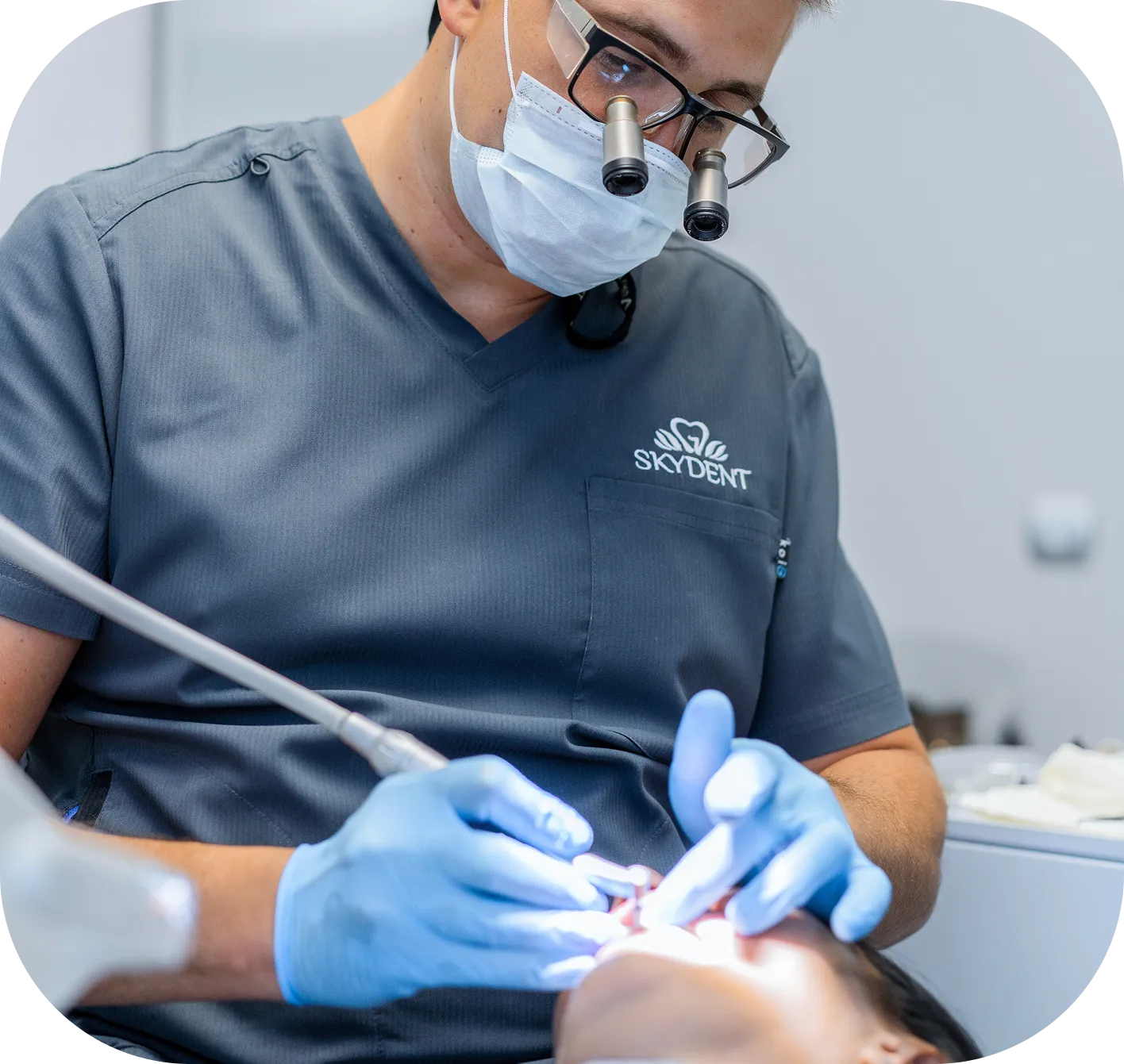
When TMJ Care May Be Needed
TMJ care may be recommended for patients with jaw clicking, popping, soreness, limited opening, morning headaches, tooth wear, facial tension, or discomfort when chewing. It may also be considered when clenching or grinding appears to be contributing to tooth sensitivity, worn enamel, or jaw-muscle fatigue.
A consultation at Westwood Dental Esthetics can help determine the level of care that may be appropriate for your symptoms. Recommendations are based on jaw movement, bite forces, muscle tenderness, tooth wear, oral habits, and long-term comfort goals.

How TMJ Treatment Supports Oral Comfort
TMJ treatment does more than address jaw clicking or soreness. It can help reduce strain on the jaw joints, protect the teeth, and support more comfortable daily function. Some potential benefits include:
Help Reduce Jaw Discomfort
TMJ-related strain can cause soreness, tightness, or aching around the jaw. Treatment planning focuses on reducing stress on the joints and surrounding muscles.
Support Comfortable Chewing
Jaw tension or joint irritation can make chewing feel uncomfortable or uneven. TMJ care may help improve comfort during daily eating and speaking.
Protect Teeth from Clenching Forces
Clenching and grinding can place repeated pressure on the teeth. A custom oral appliance may help reduce direct stress on the teeth and restorations during sleep.
Reduce Muscle Tension
TMJ symptoms may involve tightness in the face, temples, or neck. Treatment guidance may help reduce repetitive strain and support better muscle relaxation.
Support Long-Term Jaw Function
Monitoring jaw movement and bite-related pressure can help identify changes before symptoms become more disruptive. Ongoing care may support more stable jaw function over time.
Personalized Comfort Planning
TMJ symptoms can vary widely from patient to patient. A personalized plan helps address the factors contributing to discomfort, including bite patterns, habits, muscle tension, and tooth wear.