
Why Treat Sleep Apnea with a Dentist in Westwood?
Dentists can play a role in managing obstructive sleep apnea when dental treatment is appropriate. Depending on the patient’s diagnosis and treatment plan, this may include oral appliance therapy provided in coordination with medical sleep care.
Dr. Kaivan Kiai’s Approach to Sleep Apnea Care
Dr. Kaivan Kiai, DDS, helps patients understand dental treatment options related to sleep apnea and how dental care may fit into their broader treatment plan. Recommendations depend on the patient’s diagnosis, oral health, bite, symptoms, and other relevant factors. Learn more about Dr. Kaivan Kiai and his dental background and approach to patient care.
How Custom Oral Appliances Are Used in Sleep Apnea Care
For appropriate patients, oral appliance therapy uses a custom-fitted dental device rather than a generic over-the-counter appliance. These devices are designed around the patient’s oral anatomy and are intended to maintain a prescribed jaw position during sleep. Whether oral appliance therapy is appropriate depends on the patient’s diagnosis and treatment needs.
Collaborative Care with Sleep Physicians
Obstructive sleep apnea requires medical diagnosis, typically through a sleep evaluation or sleep study. When oral appliance therapy is used, the sleep physician manages the medical diagnosis while the dentist evaluates oral health, fits and adjusts the appliance, and monitors dental effects. Follow-up sleep testing may be recommended to assess treatment effectiveness.
Convenient Westwood Blvd Location & Ongoing Monitoring
Located on Westwood Blvd., Westwood Dental Esthetics provides sleep apnea treatment for patients in Westwood and the surrounding West Los Angeles area. For patients who also experience teeth grinding, information about mouth guards in Westwood may be helpful.
What Is Sleep Apnea, And Why It Shouldn't Be Ignored
Sleep apnea affects breathing during sleep and can impact energy, focus, and overall health.
Obstructive Sleep Apnea Explained (In Simple Terms)
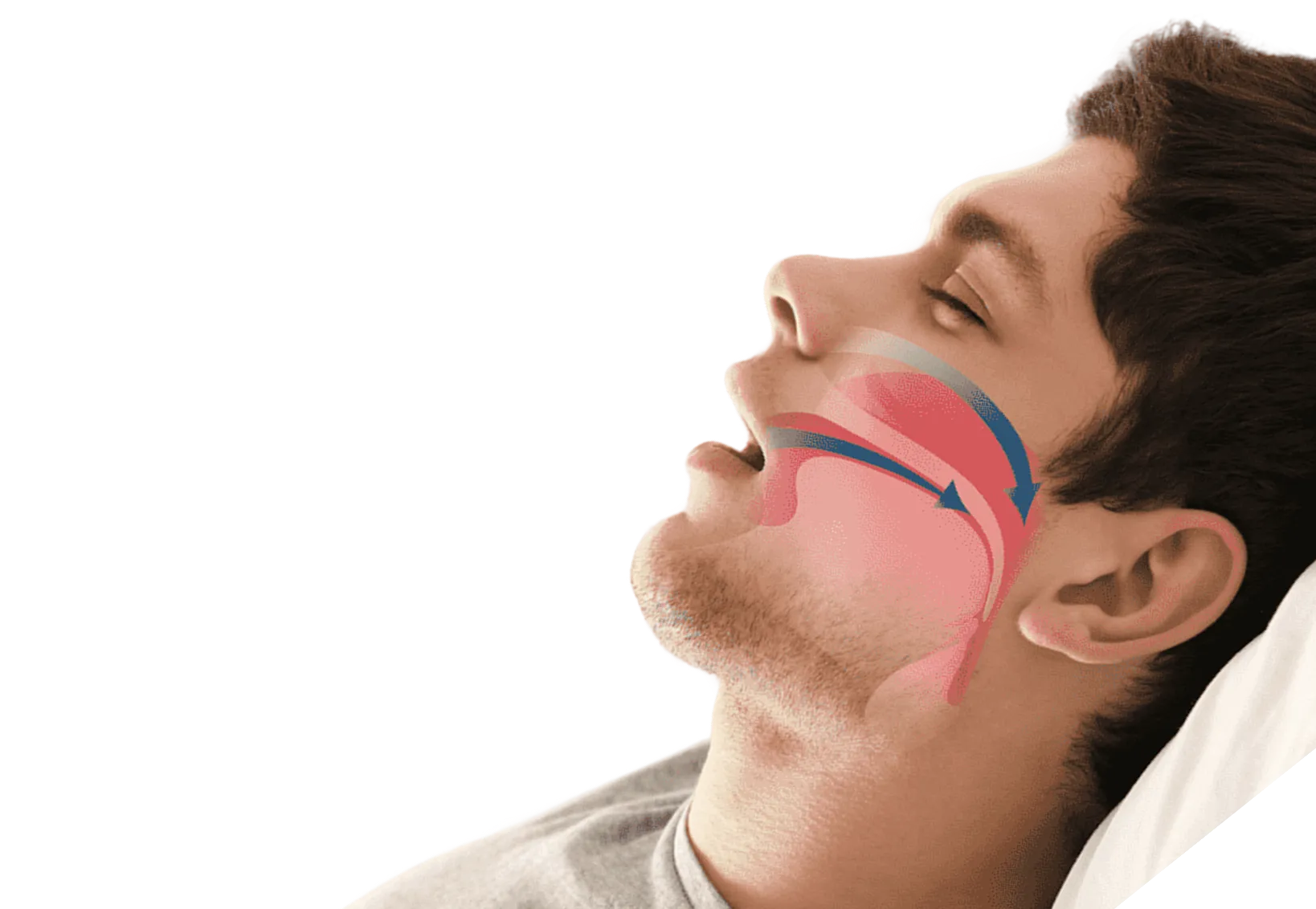
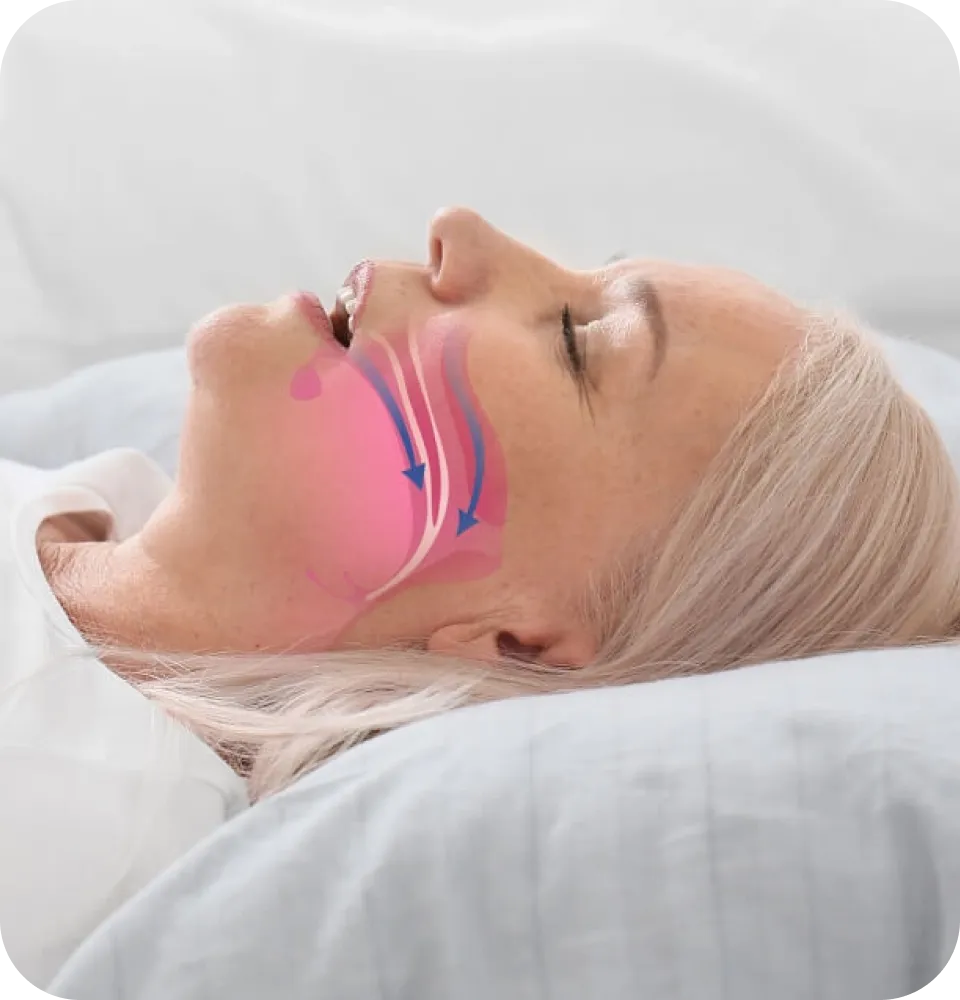
Obstructive sleep apnea (OSA) occurs when the upper airway repeatedly narrows or becomes blocked during sleep. These breathing interruptions can reduce oxygen levels and disrupt normal sleep patterns throughout the night.
Common Symptoms Adults Ignore
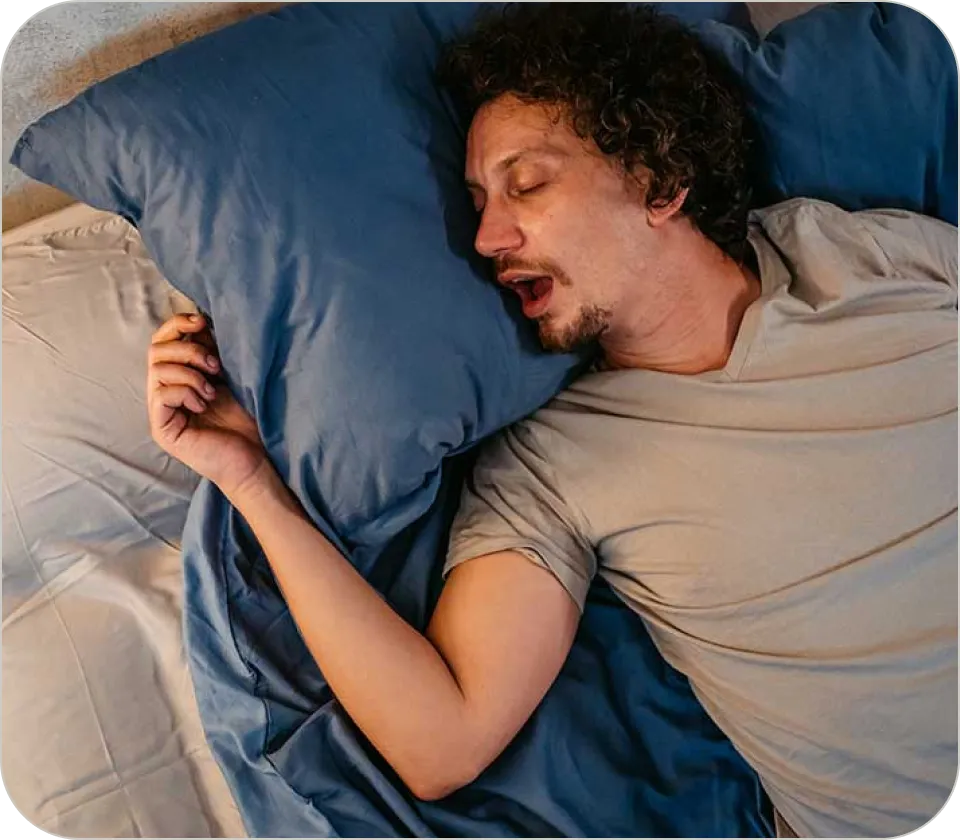
Common signs of sleep apnea include loud snoring, interrupted sleep, daytime fatigue, morning headaches, and difficulty concentrating. These signs are common reasons adults discuss sleep concerns with a healthcare professional.
Health Risks of Untreated Sleep Apnea
Untreated obstructive sleep apnea has been associated with health concerns, including cardiovascular risks and daytime impairment. Understanding the potential effects of the condition highlights why identifying and addressing sleep-related breathing problems matters.
Understanding Oral Appliance Therapy for Sleep Apnea
Oral appliance therapy is one dental treatment approach used to manage obstructive sleep apnea in appropriately selected adults. These appliances are worn during sleep and are intended to help maintain a more open upper airway.
Who May Be a Candidate for Oral Appliance Therapy
Oral appliances may be considered for certain adults with obstructive sleep apnea, including many with mild-to-moderate OSA and some patients who have difficulty tolerating CPAP therapy.
How Oral Appliances Work During Sleep
Oral appliances, including mandibular advancement devices, are worn during sleep to reposition the lower jaw and related structures. This positioning may help reduce airway obstruction in appropriate patients with obstructive sleep apnea.
Oral Appliances vs. CPAP: A Practical Comparison
CPAP generally provides stronger control of sleep apnea, while oral appliances may suit selected adults who cannot tolerate CPAP or prefer an alternative. The right option depends on sleep apnea severity and medical guidance.
Snoring Treatment vs. Sleep Apnea Treatment
Snoring and obstructive sleep apnea are related but distinct concerns. Understanding the difference is important because snoring alone does not establish a diagnosis of sleep apnea, and the appropriate approach depends on the underlying cause.
When Snoring May Occur Without Sleep Apnea
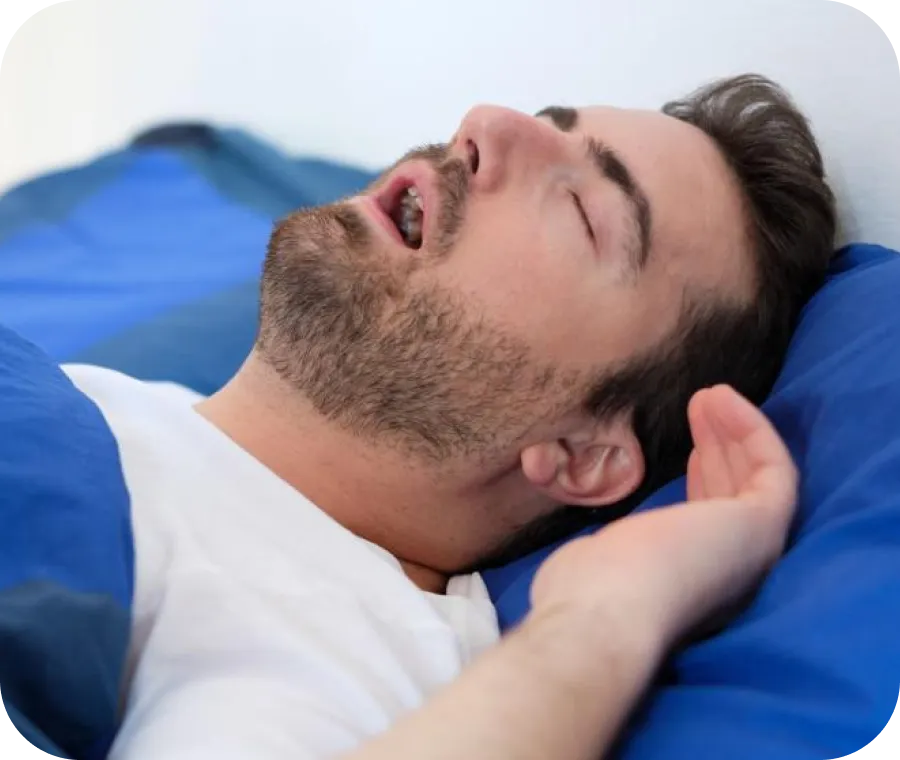
Occasional snoring can occur without sleep apnea. However, loud, frequent snoring combined with symptoms like daytime fatigue can be a sign that further evaluation is needed. Snoring alone does not confirm OSA.
Why a Proper Sleep Evaluation Matters
A sleep evaluation helps determine whether symptoms are related to obstructive sleep apnea or another issue. Identifying the cause helps guide the right treatment approach.
How Dental Appliances Help Both Conditions
Oral appliances can help reduce snoring and are also a treatment option for some patients with OSA. While less snoring can be a positive change, it does not always indicate that sleep apnea has been fully treated.
What to Expect When Discussing Sleep Apnea Treatment at Westwood Dental Esthetics
Sleep apnea care begins with understanding your diagnosis, symptoms, oral health, and current treatment. Dr. Kiai can evaluate dental considerations relevant to care and discuss appropriate next steps.
Initial Consultation
Your visit may include discussion of your sleep apnea diagnosis, symptoms, current treatment, oral health, bite, and concerns about options such as CPAP. Bring relevant sleep-study or medical information when available.
Reviewing Dental Treatment Options
If a dental treatment approach may be appropriate, Dr. Kiai can discuss the available options and considerations relevant to your oral health and bite. Medical diagnosis and management of obstructive sleep apnea remain an important part of overall care.
Follow-Up Based on Your Treatment Plan
Follow-up depends on the treatment recommended and may include monitoring comfort, oral health, bite-related changes, and other dental considerations over time. Medical follow-up may also be needed to assess control of obstructive sleep apnea.
Follow-Up If Oral Appliance Therapy Is Recommended
Follow-up visits may include adjustments for fit, comfort, and positioning, along with monitoring for jaw discomfort, tooth sensitivity, or bite changes.
Long-Term Monitoring
Ongoing dental visits help monitor the appliance, bite, and oral health. Medical follow-up and repeat sleep testing may also be recommended to assess treatment effectiveness. Routine dental care in Westwood can support long-term oral health.
Sleep Apnea Treatment for Adults in Westwood & West LA
Adults in Westwood and West Los Angeles often consider sleep apnea treatment alongside work demands, travel, and daily lifestyle needs.
Sleep Apnea in Working Professionals
Adults balancing demanding schedules often look for sleep apnea treatment options that fit their routines, travel needs, and daily responsibilities.
Sleep Apnea and Jaw / Bite Considerations
Oral appliance therapy involves jaw positioning, making bite comfort an important consideration during care. Patients with jaw concerns can also explore TMJ treatment in Westwood.
Traveling, CPAP Intolerance, and Lifestyle Fit
Some patients explore oral appliances when travel, portability, or difficulty using CPAP affects their treatment preferences and daily routines.
Why Patients Choose Westwood Dental Esthetics
for Sleep Apnea Care
Choosing sleep apnea care often begins with trust, clear communication, and a treatment approach that fits each patient’s needs.
Clear, No-Pressure Guidance for Sleep Apnea Care
At Westwood Dental Esthetics, patients can discuss their sleep apnea concerns, understand relevant dental treatment considerations, and receive clear guidance about appropriate next steps without pressure.
Patient Trust Built Through Clear Communication
Westwood Dental Esthetics focuses on helping patients understand available treatment options and feel informed when making decisions about sleep apnea care. Patients seeking comprehensive dental support can also explore general dentistry in Westwood as part of their overall oral health care.
Understanding Insurance and Payment Options
Coverage for oral appliance therapy varies by plan and may fall under medical rather than routine dental benefits. Our team can provide fee information and help clarify documentation needs, while coverage and reimbursement depend on your individual plan.
Insurance Coverage, Cost & Financing for Sleep Apnea Treatment
Westwood Dental Esthetics helps patients understand insurance considerations, treatment costs, and available payment options before starting sleep apnea care.
Is Oral Appliance Therapy Covered by Insurance?
Many patients explore insurance coverage for oral appliance therapy as part of their sleep apnea treatment planning. Coverage depends on individual benefits, requirements, and approval criteria.
Medical vs. Dental Insurance Explained
Because sleep apnea is a medical condition, oral appliance therapy is often evaluated through medical coverage rather than standard dental benefits alone.
How Cost Is Determined
The cost of sleep apnea treatment depends on the type of care recommended, evaluation needs, and the services involved in the treatment plan. Fees can be discussed once the appropriate approach has been determined.
Insurance and Payment Considerations
Our team can provide available information about fees and payment options before treatment. Insurance coverage varies by plan, treatment, eligibility, and applicable medical or dental benefit requirements.
Book a Sleep Apnea Consultation in Westwood
Schedule a sleep apnea consultation with Westwood Dental Esthetics to discuss your concerns, current diagnosis or treatment, and the dental options that may be appropriate for you. You can also explore additional dental care options through all services in Westwood or contact our team to learn more about available treatment pathways.
Westwood Dental Esthetics
- 1964 Westwood Blvd. Suite 250 Los Angeles, CA 90025
- Phone: (858) 422-3863
- Hours: Mon–Fri 8:00 am–5:00 pm | Sat–Sun Closed