

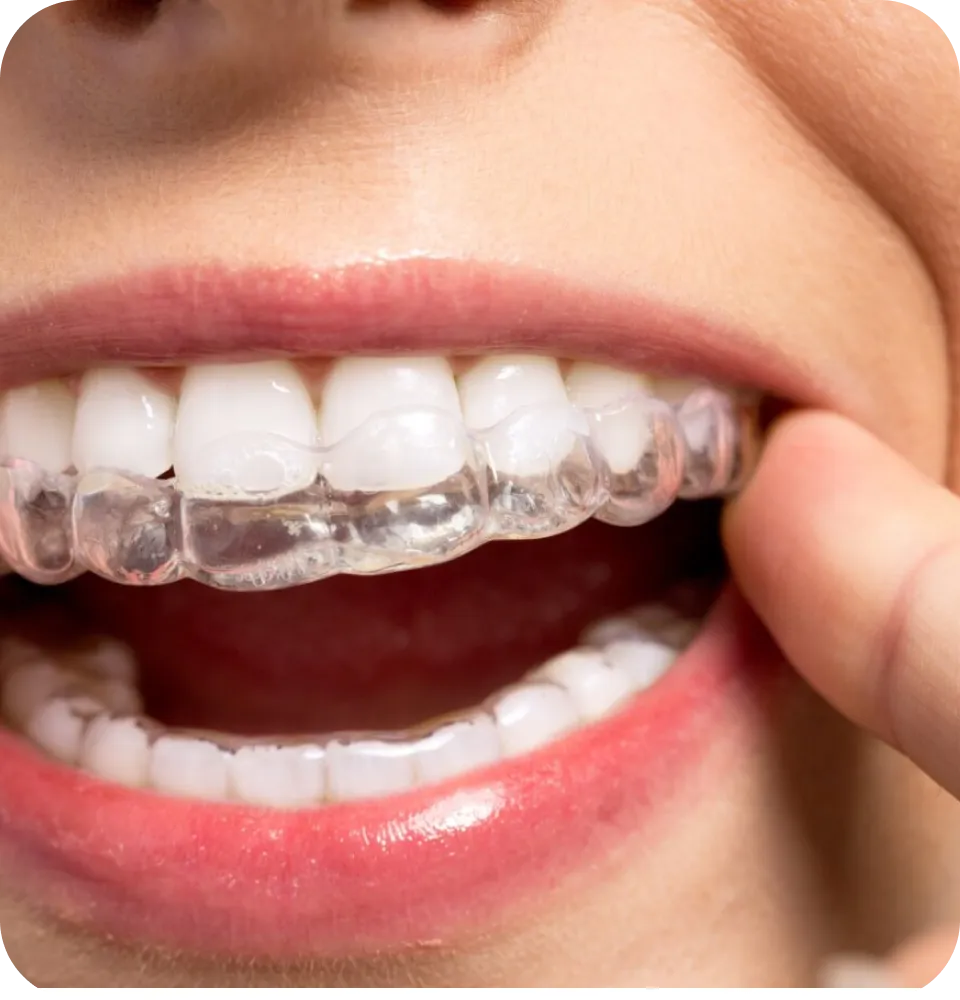
Why Consider Westwood Dental Esthetics for Invisalign®?
Westwood Dental Esthetics offers Invisalign® within a Westwood dental practice where orthodontic needs can be considered alongside broader oral-health and treatment considerations.
Invisalign® Within Broader Orthodontic Care
Invisalign® provides a clear-aligner option within the wider field of orthodontic treatment. Patients can also learn about broader orthodontic care in Westwood when their treatment considerations extend beyond this specific aligner system.
Dental Education of Dr. Kaivan Kiai, DDS
Dr. Kaivan Kiai, DDS earned his dental degree from the Herman Ostrow School of Dentistry of USC after completing his bachelor’s degree in biology at USC. His education is part of the professional background patients can review when choosing a dental practice.
Digital Scanning in Invisalign Treatment Planning
Westwood Dental Esthetics uses iTero® digital scanning, which can provide detailed three-dimensional records of the teeth for Invisalign® treatment planning. The scan can contribute to digital treatment planning alongside the clinical assessment and any other records needed for the individual case.
Treatment Planning Within a Dental Practice
Invisalign® treatment planning also considers oral health beyond tooth alignment. Relevant dental findings and existing treatment needs can therefore be considered alongside orthodontic goals rather than treating clear-aligner therapy as an isolated decision.
Invisalign® Care on Westwood Blvd.
Westwood Dental Esthetics provides Invisalign® treatment at its Westwood Blvd. office for teens and adults considering clear aligners. The local practice setting gives patients a dedicated location for appointments, treatment planning, and follow-up visits involved in their prescribed care.
How Invisalign® Works
Invisalign® uses a planned sequence of removable aligners to move teeth progressively over time.
The Science of Staged Tooth Movement
Each aligner represents one stage in a planned series of orthodontic movements, applying force to guide selected teeth toward new positions. Tooth movement occurs progressively as the surrounding tissues respond to orthodontic force. Because biological response varies, actual movement does not necessarily follow the digital plan exactly at every stage.
Invisalign® Attachments and Their Role in Tooth Movement
Invisalign® attachments are small, tooth-colored shapes bonded to selected teeth when certain planned movements require additional assistance from the aligner system. Their shape and placement relate to the intended movement. Attachments are case-dependent, so their use and location can differ between patients and among individual teeth during treatment.
Interproximal Reduction (IPR) and When It May Be Used
Interproximal reduction, or IPR, involves carefully removing a small amount of enamel between selected teeth. In orthodontic treatment, it may be incorporated when clinically appropriate to create space or help facilitate planned tooth movements. It is a case-dependent technique rather than an inherent or necessary step in every Invisalign® treatment plan.
SmartTrack® Material in Invisalign Aligners
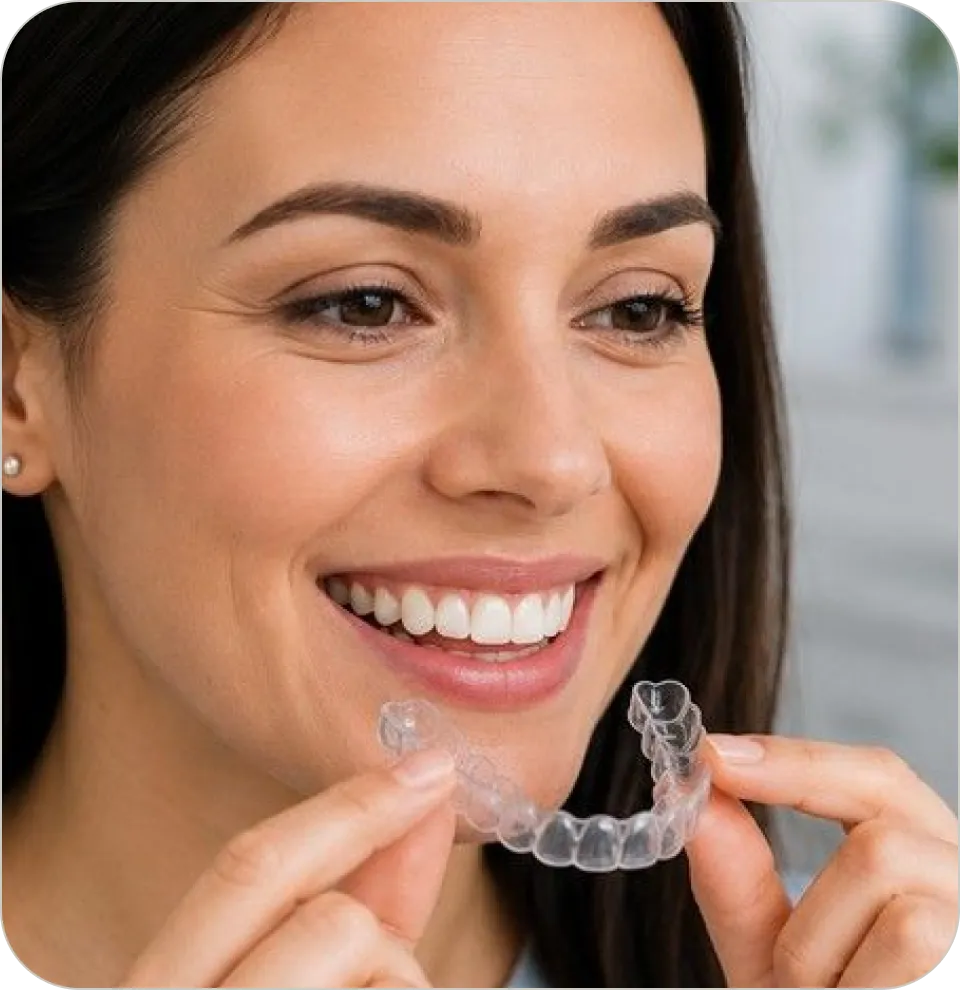
Invisalign® aligners are made from SmartTrack®, a proprietary material developed for the Invisalign system. The material forms the removable aligners that apply planned orthodontic forces while worn over the teeth. Individual tooth movements and treatment response still depend on the prescribed treatment plan and how the teeth respond during treatment.
How Digital Planning Maps Intended Tooth Movements
How Digital Planning Maps Intended Tooth Movements
Invisalign® treatment is digitally planned around a proposed sequence of tooth movements before the aligner series is produced. This planning establishes the intended progression of treatment, while actual tooth movement can differ from the digital plan based on biological response and other clinical factors.
Is Invisalign® Right for Your Case?
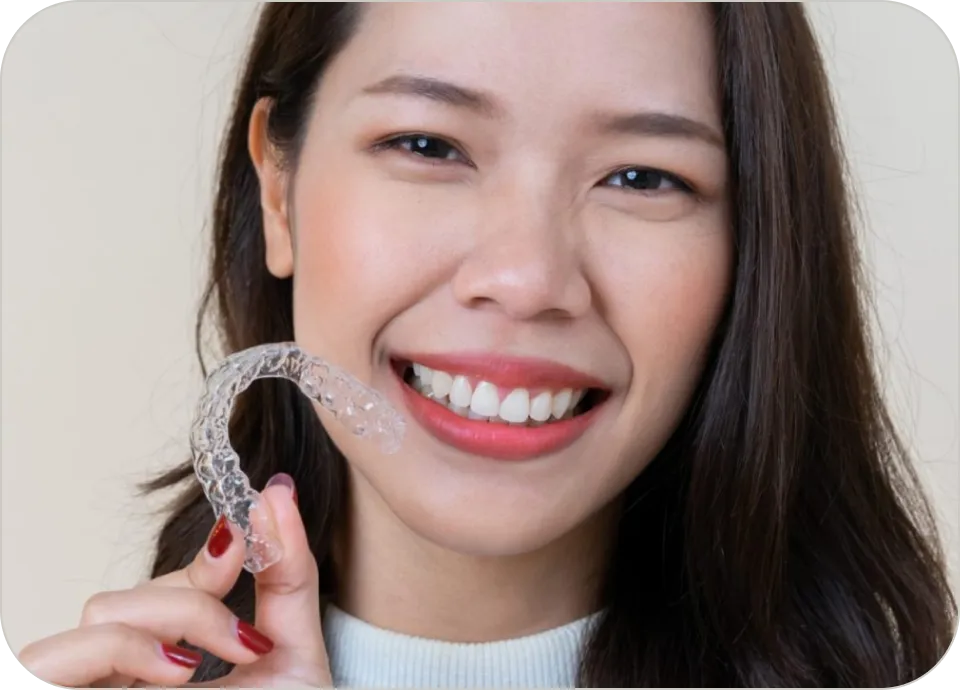
Invisalign® addresses many orthodontic concerns, but suitability depends on required movements and clinical factors.
Invisalign® for Spacing and Mild Crowding
Invisalign® may be considered for some spacing concerns and mild crowding where planned tooth movements can be achieved with clear aligners. These presentations are not automatically simple, and suitability still depends on the exact tooth positions, available space, periodontal condition, treatment objectives, and other factors identified during assessment.
Invisalign® for Bite Concerns and Rotated Teeth
Invisalign® can be used for selected dental bite relationships and rotated teeth, but the required movement matters. The amount and direction of rotation, the dental or skeletal component of a bite concern, supporting oral conditions, and overall treatment objectives all influence whether clear aligners are a suitable approach.
When Orthodontic Needs Are More Complex
Invisalign® is used across a broad range of orthodontic presentations, but some movements and clinical situations call for another orthodontic approach. Treatment choice should reflect the mechanics required, supporting dental conditions, and overall objectives rather than a rigid rule that categorizes every case as simple, moderate, or complex.
Invisalign® With Crowns, Bridges, or Prior Dental Work
Existing crowns, bridges, veneers, and other dental restorations require individual consideration during Invisalign® planning because their location, condition, and relationship to proposed tooth movement can differ. If existing dental work may affect your orthodontic plan, explore restorative dentistry in Westwood to learn more about related restorative considerations.
Why Assessment and Digital Records Matter for Invisalign® Planning
Invisalign® suitability is determined from more than appearance alone. Clinical assessment and appropriate records provide information about tooth positions, bite relationships, oral conditions, and the movements being considered. Digital records may contribute to treatment planning, but a scan by itself does not determine candidacy or establish the complete orthodontic plan.
Invisalign® Case Considerations at a Glance
| Orthodontic Consideration | How Invisalign® May Fit | Why Individual Assessment Matters |
|---|---|---|
| Spacing or Mild Crowding | Clear aligners may address selected spacing or crowding concerns. | Tooth position, available space, and planned movement affect suitability. |
| Bite or Rotational Concerns | Invisalign® can address selected dental bite relationships and rotations. | Movement type, severity, and dental versus skeletal factors matter. |
| More Complex Tooth Movements | Invisalign® may be considered for some more involved presentations. | Certain movements or conditions may call for another orthodontic approach. |
| Existing Crowns, Bridges, or Other Dental Work | Clear aligners may still be considered with existing restorations. | Restoration type, condition, location, and planned tooth movement require individual review. |
The Invisalign® Treatment Process at Westwood Dental Esthetics
Initial Appointment and Digital Scanning
Your appointment can include discussion of your orthodontic concerns, oral conditions, treatment objectives, and the records needed for planning. Westwood Dental Esthetics uses iTero® digital scanning, which can support digital records for Invisalign® planning when appropriate. The specific records needed depend on the individual treatment being considered.
Planning the Intended Tooth Movements
Invisalign® treatment uses digital planning to organize the intended sequence of tooth movements before active aligner wear begins. This planning establishes how movements are staged across the aligner series. The digital plan represents the intended treatment direction rather than a guaranteed preview of the final biological result.
Beginning Treatment With Your Aligners
After the treatment plan is established, prescribed Invisalign® aligners are worn over the teeth to begin active movement. Patients receive instructions relevant to their treatment plan, including how to wear and manage the aligners as active treatment begins. The details can vary according to the movements and treatment plan involved.
Wear Time, Aligner Changes, and Daily Routine
Invisalign® generally instructs patients to wear aligners for about 20-22 hours per day, following their provider’s specific directions. Patients move to subsequent aligners according to the schedule prescribed for their treatment, rather than following one universal tray-change interval across every Invisalign® case.
Attachments and Adjustments When Needed
Some Invisalign® treatment plans include attachments or other adjustments to support particular intended tooth movements. These features are case-dependent rather than automatic parts of every treatment. Their use depends on the tooth movements included in the individual treatment plan and can vary between patients.
Refinement Aligners When Further Movement Is Needed
Additional aligners may be planned after the initial series when further tooth movement or adjustment is needed. Refinement aligners are therefore a possible treatment stage rather than a universal requirement. Whether refinement aligners are needed depends on tooth movement and the treatment objectives remaining after the initial aligner series.
Retention After Invisalign® Treatment
After active Invisalign® tooth movement is complete, retention helps maintain the positions achieved during treatment. Retainers are commonly used for this purpose after orthodontic movement, but the specific retainer type, wear instructions, and follow-up plan should reflect the individual treatment rather than a single universal protocol.
What to Expect With Invisalign®: Comfort and Daily Life
Invisalign® changes some daily routines, especially meals, oral hygiene, and initial adjustment.
Does Invisalign® Hurt?
Invisalign® aligners can create pressure or temporary discomfort as teeth move, especially when treatment begins or a new aligner is introduced. The experience varies between patients, and significant or unexpected pain is different from the pressure associated with routine orthodontic movement.
Eating, Drinking, and Removing Your Aligners
Invisalign® aligners are generally removed for eating and for drinking anything other than plain water. After meals, aligners are replaced according to the prescribed wear schedule, so eating and drinking routines need to account for adequate daily wear time.
Can Invisalign® Affect Your Speech?
Some people notice temporary speech changes when they begin wearing Invisalign® aligners because the mouth and tongue are adapting to them. This can include slight changes in pronunciation, but the degree and duration of any speech effect vary between individuals.
How Noticeable Are Invisalign® Aligners?
Invisalign® aligners are clear and less visually prominent than conventional metal braces, but they are not literally invisible. Attachments, when included in the treatment plan, can also make parts of the aligner system more noticeable on the teeth.
Cleaning Your Aligners and Teeth
Invisalign® aligners need routine cleaning, while teeth and gums still require regular brushing and flossing throughout treatment. Maintaining oral hygiene remains important during orthodontic care, alongside routine general dental care for your teeth and gums.
Invisalign® for Teens and Adults in Westwood

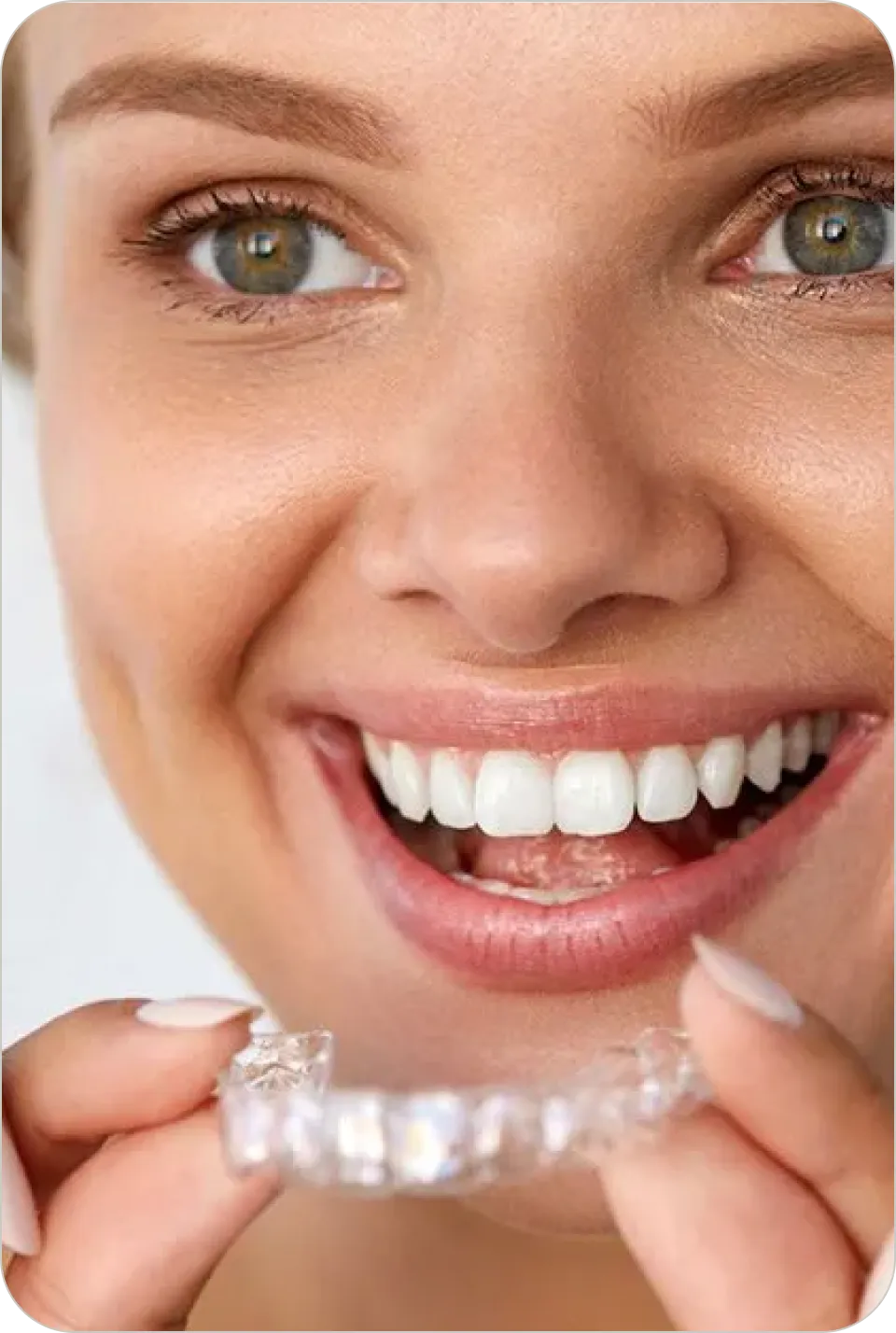
Invisalign® for Teens
For teens, Invisalign® combines clear removable aligners with the responsibility of following the prescribed wear schedule. Treatment also needs to fit around meals, oral hygiene, school, sports, and everyday routines. Suitability still depends on the teen’s individual orthodontic needs and treatment plan.

Invisalign® for Working Professionals
Working adults may value Invisalign® because the aligners are clear and removable for meals, which can make them practical for some daily routines. Maintaining the prescribed wear schedule remains important while managing workdays, meetings, travel, and other regular commitments.

Invisalign® After Previous Orthodontic Treatment
Some adults consider orthodontic treatment again when tooth positions change after earlier treatment. Invisalign® may be an option in selected retreatment situations, with suitability shaped by current tooth positions, bite relationships, oral conditions, and the movements now required to reach the treatment goal.

Planning Invisalign® Alongside Cosmetic Dental Care
Invisalign® changes tooth position, while cosmetic treatments address other aesthetic goals. When both are being considered, timing can be coordinated around the overall treatment plan. Learn more about cosmetic dentistry in Westwood, or explore teeth whitening in Westwood for concerns related specifically to tooth shade.
Invisalign® Cost, Insurance, and Financing in Westwood
What Affects the Cost of Invisalign®?
Invisalign® treatment cost reflects the orthodontic care being planned rather than one universal fee. The extent and complexity of the proposed treatment can influence overall cost, so pricing is discussed in relation to the individual treatment plan.
Is There a Typical Invisalign® Price in Westwood?
There is no single Invisalign® price that applies to every case at Westwood Dental Esthetics. Treatment-specific pricing reflects the care being proposed, and we discuss expected costs before treatment begins so patients can understand the financial details associated with their individual plan.
Is Invisalign® Covered by Dental Insurance?
Coverage depends on the patient’s dental plan and any applicable orthodontic benefits. Having dental insurance does not automatically mean Invisalign® is covered, and benefit levels, eligibility requirements, and coverage terms can differ between plans even when the dental practice accepts the insurer.
PPO Insurance at Westwood Dental Esthetics
Westwood Dental Esthetics accepts most major PPO dental insurance plans, including Delta Dental, Aetna, Cigna, Humana, MetLife, and Guardian. Acceptance of a PPO plan does not establish that a particular policy includes Invisalign® benefits or guarantees reimbursement for treatment.
Financing and Payment Options
We discuss treatment costs, financing, and available payment options with patients considering Invisalign®. Available options can be reviewed alongside the proposed treatment and individual financial considerations, helping patients understand the payment information relevant to their care before deciding whether to proceed.
Getting a Treatment-Specific Invisalign® Cost Estimate
Once the proposed Invisalign® treatment has been established, we can review a treatment-specific estimate and relevant payment information. Patients can contact our office to discuss financial questions, insurance considerations, and available payment options before deciding whether to proceed.
Book Your Invisalign® Appointment in Westwood
Schedule an Invisalign® appointment at our Westwood practice to discuss your orthodontic concerns, treatment goals, and whether Invisalign® may be appropriate for you. We also provide a range of dental services in Westwood for patients with broader oral health and dental care needs.
Westwood Dental Esthetics
- 1964 Westwood Blvd. Suite 250 Los Angeles, CA 90025
- Phone: (310) 475-1667
- Hours: Mon–Fri 8:00 am–5:00 pm | Sat–Sun Closed

Results vary based on each patient’s orthodontic needs, oral-health condition, treatment goals, and individual response to treatment. A professional assessment and appropriate diagnostic records are required to develop an individualized treatment plan and estimated timeline.