

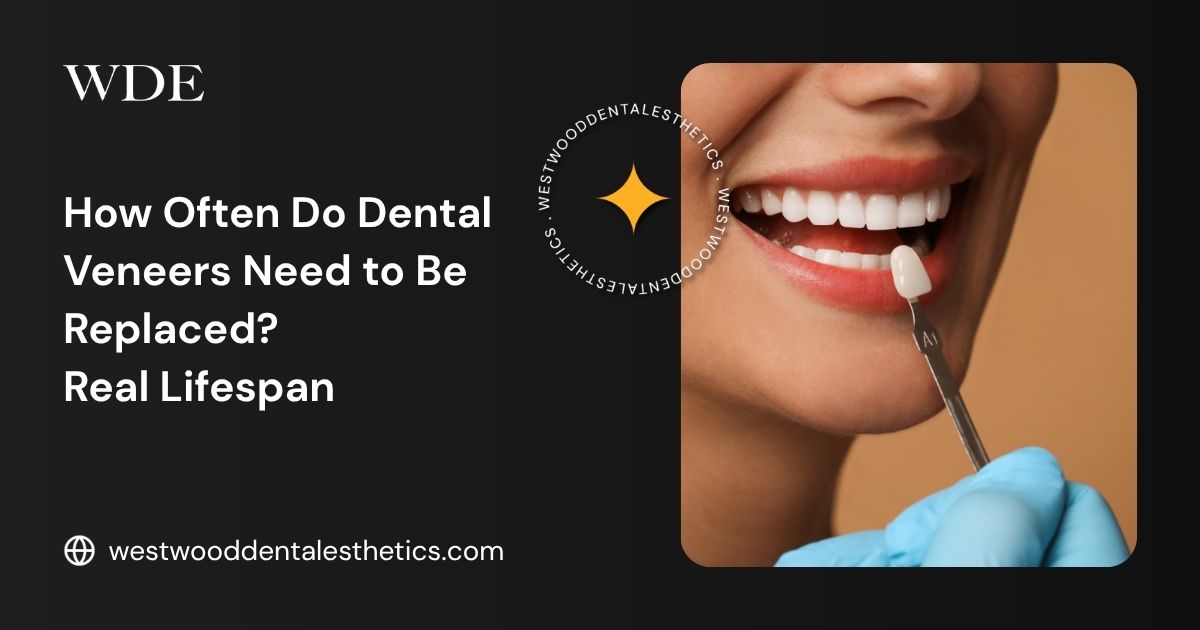
Porcelain veneers often last around 15–20 years or longer with good care, while composite veneers generally require maintenance or replacement sooner, commonly around 5–7 years. 1 2 3
These are typical ranges rather than guarantees, because longevity depends on factors such as oral hygiene, grinding or clenching habits, bite forces, and the health of the underlying tooth.
For many people, the more useful question is not simply, “How long do veneers last?” but, “What changes are expected over time, and which changes may warrant professional evaluation?” Not every visible change means a veneer has reached the end of its service life, and understanding the difference can help patients make informed decisions without unnecessary concern.
Dr. Kaivan Kiai, DDS, and the team at Westwood Dental Esthetics help patients in Westwood and West Los Angeles better understand how veneers change over time and which findings may warrant professional evaluation.
Whether you’re considering veneers for the first time or already have them, understanding how veneers age can help you develop realistic expectations and recognize when professional evaluation may be appropriate.
Here is the Quick Answer:
Dental veneers do not have a fixed replacement date, and there is no single timeline that applies to everyone. Porcelain and composite veneers age differently, and their longevity depends on both the material and how the veneers are maintained over time.
Some gradual cosmetic changes can occur over time and may be considered part of normal aging, while other findings may warrant professional evaluation to determine whether the veneer, its bonding interface, or the underlying natural tooth has changed. Grinding or clenching, oral hygiene, bite forces, and routine dental care can all affect how long veneers remain functional.
Veneer Lifespan by Material: Porcelain vs. Composite
Porcelain and composite veneers differ in fabrication, surface characteristics, repairability, and reported longevity. These differences help explain why the materials may age differently and why long-term maintenance needs can vary between patients.
| Factor | Porcelain Veneers | Composite Veneers |
| Typical Reported Longevity | Commonly Reported at Approximately 15–20 Years with Appropriate Care | Commonly Reported around 5–7 Years, Although Individual Outcomes Vary |
| Fabrication | Usually Fabricated Outside the Mouth and Bonded to the Tooth | Commonly Placed and Shaped Directly on the Tooth |
| Stain Resistance | Generally More Resistant to Surface Discoloration | More Prone to Surface Staining and Gradual Loss of Luster |
| Repairability | Repair May Be Possible in Selected Situations; Replacement Is Often Considered for More Extensive Damage | Localized Repair May Be Possible in Appropriate Clinical Situations |
Although these general differences are well recognized, neither material is universally appropriate for every patient or cosmetic concern. Material selection also considers the condition of the teeth, cosmetic goals, bite, and oral health—not expected longevity alone.
What Normal Veneer Aging Looks Like
Like natural teeth, veneers may change gradually over time. Some gradual cosmetic changes are a normal part of long-term veneer aging and do not necessarily indicate failure. Understanding what normal aging can look like may help patients distinguish routine cosmetic changes from findings that deserve closer attention.
Minor Margin Staining
Slight discoloration can develop over time where a veneer meets the tooth, particularly near the gumline. This may be more noticeable with composite veneers and does not necessarily mean the restoration has failed.
Subtle Surface Changes
Composite veneers are generally more likely to lose surface luster over time, while porcelain typically maintains its polish longer. A gradual reduction in gloss, minor surface texture changes, or slight wear from normal function may occur over time. These changes are often cosmetic and do not necessarily indicate that the veneer requires replacement.
Gum Position Changes
If the gums recede over time, an area where the veneer meets the natural tooth may become more visible. This is often an esthetic change rather than evidence that the veneer itself has failed.
Signs Your Veneers May Need to Be Replaced
Many cosmetic changes that develop gradually over time are considered part of the normal aging process for dental restorations. Other changes deserve professional evaluation because they may involve the veneer, its bond to the tooth, or the tooth itself. Recognizing this distinction can help patients understand when observation may be reasonable and when a clinical evaluation is appropriate.
| Expected Long-Term Aging | Findings That May Warrant Professional Evaluation |
| Mild Discoloration Developing along the Veneer Margin | Visible Chips or Cracks in the Veneer |
| Slight Reduction in the Original Surface Gloss | A Veneer that Feels Loose or Appears Partially Detached |
| Minor Changes in Surface Texture from Everyday Function | A Visible Gap Where the Veneer Meets the Natural Tooth |
| Slight Cosmetic Visibility of the Veneer Margin as Gum Position Changes over Time | Persistent Sensitivity or Discomfort Associated with the Restored Tooth |
A veneer does not necessarily need replacement simply because it shows normal cosmetic aging. Replacement is usually considered when structural damage, bonding problems, underlying decay, or other clinical findings affect the restoration or the tooth beneath it.
Persistent sensitivity or discomfort involving a veneered tooth should not simply be ignored, particularly if it continues rather than gradually improving. These symptoms can sometimes reflect a problem with the tooth beneath the veneer or with the bond holding the veneer in place. Because the underlying cause is not always visible from the outside, appearance alone cannot determine whether the restoration is functioning as intended.
An examination is needed to determine what is causing persistent symptoms and whether the veneer or tooth requires treatment. A veneer may continue to look cosmetically acceptable while changes beneath or around it deserve professional evaluation.
What Actually Shortens (or Extends) Veneer Lifespan
The way veneers perform over time is influenced by more than the restorative material alone. Everyday function, oral habits, and routine dental care can all influence how a veneer and the surrounding natural tooth perform over time. While no single habit determines longevity, several modifiable factors may help support long-term performance.
Grinding and Clenching (Bruxism)
Bruxism, also known as grinding or clenching, is a recognized factor that may increase stress on veneers. Repeated grinding or clenching can contribute to veneer wear, edge chipping, or weakening of the bond to the tooth. When bruxism is present, Dr. Kiai may recommend a custom night guard to help protect veneers from excessive forces during sleep.
If grinding or clenching is a concern, our mouth guards page explains how custom oral appliances may help protect veneers and other dental restorations.
Biting Habits
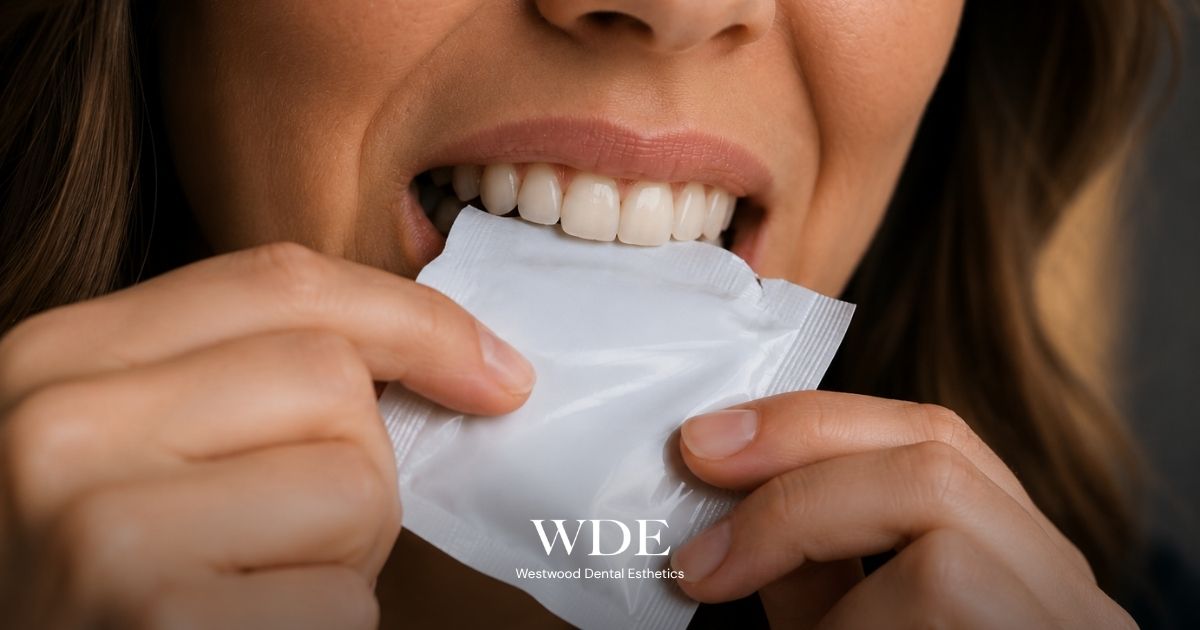
Certain everyday habits can place concentrated forces on the edges of veneers that they were not designed to absorb. Using teeth to open packages, biting fingernails, chewing ice, or biting very hard objects or foods may increase mechanical stress on the restoration. Reducing these habits may help limit unnecessary stress on veneer edges while allowing normal chewing function.
Oral Hygiene and Gum Health
Consistent brushing and interdental cleaning help support healthy gums and the natural tooth structure surrounding each veneer. Good oral hygiene also helps reduce the risk of decay developing where the veneer meets the natural tooth.
Routine Dental Visits
Routine dental examinations allow Dr. Kiai to evaluate the veneers together with the surrounding teeth and soft tissues. Regular examinations can identify early changes around the veneer, gums, or tooth before they become obvious to the patient. While professional monitoring cannot guarantee that future problems will be avoided, it can help identify changes early if they develop over time.
How Dr. Kiai Helps West LA Patients Maximize Veneer Longevity
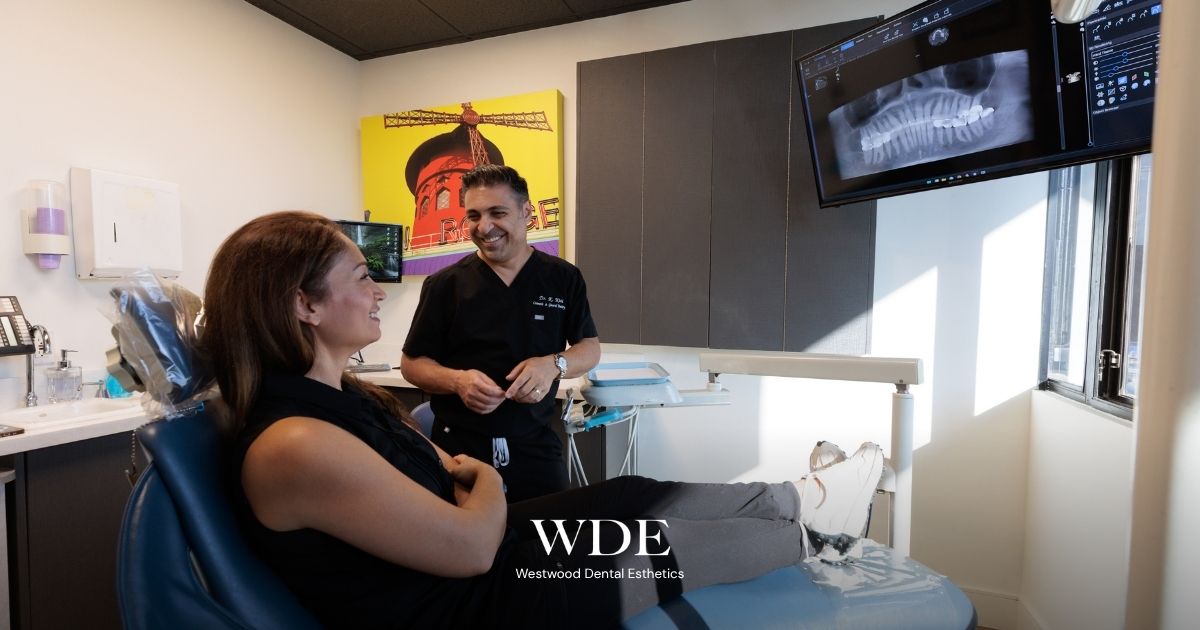
The long-term performance of dental veneers depends on both the initial clinical evaluation and ongoing professional monitoring over time.
Dr. Kaivan Kiai, DDS considers the condition of the teeth, cosmetic goals, bite, and oral health when planning veneer treatment and long-term care.
For patients who grind or clench their teeth, Dr. Kiai may recommend a custom night guard based on the patient’s bite, habits, and existing dental work. Learn more about the differences between these protective appliances in our night guards vs. mouth guards guide.
Dr. Kaivan Kiai and the team at Westwood Dental Esthetics welcome patients at 1964 Westwood Blvd. Suite 250, Los Angeles, CA 90025.
If your cosmetic concerns relate primarily to the color of your natural teeth rather than the veneers themselves, you can also learn more about professional whitening options on our teeth whitening page.
Whether you’re considering veneers for the first time or simply want existing veneers evaluated, Dr. Kiai can discuss their current condition, expected longevity, and whether any treatment is actually necessary.