


Morning jaw pain is often linked to nighttime clenching or grinding, known as bruxism, which can place repeated strain on the jaw muscles and temporomandibular joint (TMJ) during sleep. At the same time, not every person who wakes up with jaw discomfort has a TMJ-related concern, and other factors can contribute to similar sensations.
Rather than beginning when you open your eyes, this type of discomfort often reflects activity that occurred overnight. Because clenching and grinding typically happen outside conscious awareness, many people do not realize it is occurring until they notice a pattern of soreness after waking.
It is understandable to search for answers before deciding whether the issue is dental, medical, or temporary. Waking up with soreness can feel confusing, especially when there was no obvious trigger the day before.
Dr. Kaivan Kiai, DDS, and the team at Westwood Dental Esthetics help patients in Westwood and West Los Angeles better understand persistent jaw concerns and the factors that may contribute to discomfort experienced first thing in the morning.
Here is the Quick Answer:
Morning jaw pain is often linked to nighttime clenching or grinding, though sinus pressure, dental concerns, and other conditions can produce similar symptoms. Recurring patterns are generally more meaningful than isolated episodes.
Many mild TMJ-related concerns improve with conservative measures, while persistent tightness, locking, or functional changes warrant a professional evaluation to identify contributing factors and discuss appropriate support.
What’s Actually Happening: TMJ, Clenching, and Morning Pain

The temporomandibular joint, or TMJ, connects the lower jaw to the skull on each side of the face. It supports everyday activities such as speaking, chewing, swallowing, and facial expression, which means it remains active throughout much of the day.
The term TMJ refers to the joint itself, while TMD (temporomandibular disorder) describes a group of conditions that affect the joint, surrounding muscles, or related structures. Many people use the terms interchangeably, but understanding the distinction helps explain why symptoms and contributing factors can vary from one person to another.
Because the TMJ supports so many daily functions, it remains under regular mechanical demand throughout life. Prolonged muscle activity during sleep can add to that workload without a person’s awareness.
Nighttime clenching and grinding occur outside conscious awareness, so people may not realise that repeated jaw-muscle activity is happening while they sleep. Unlike daytime tension, it cannot simply be noticed and stopped in the moment.
Repeated overnight clenching or grinding may fatigue the chewing muscles and place added strain on the jaw area. This can help explain why soreness, tightness or fatigue may be most noticeable upon waking.
Morning discomfort is therefore less about what happens in the first few minutes after waking and more about what occurred throughout the night. Some people notice that routine movement during the day makes the area feel less stiff, although individual experiences vary.
Bruxism is one explanation for this pattern, but it is not the only possible cause of jaw pain on waking.
The location, timing, and character of the discomfort provide useful context, yet they do not establish a diagnosis on their own.
Because sleep-related clenching or grinding can occur without conscious awareness, morning soreness may reflect repeated jaw-muscle activity that took place overnight.
Common TMD Symptoms and What They May Indicate

TMD-related concerns do not look the same for everyone. Some people notice muscle tightness, while others become aware of sounds, movement changes, or sensations that develop gradually over time. Although these patterns can provide useful clues, no single symptom establishes a diagnosis on its own.
Jaw Soreness or Tightness on Waking
Waking up with a feeling of tension around the cheeks or lower face is among the most frequently reported concerns associated with TMJ-related issues. The chewing muscles may feel tired in the same way other muscles do after prolonged activity.
Morning tightness is often associated with sleep-related clenching or grinding habits. Some people notice a feeling of fatigue or tension when they first wake up, even if they were unaware of any overnight activity.
Clicking, Popping, or Grinding Sounds
Noises around the joint can occur during chewing, speaking, or opening the mouth. For some individuals, these sounds appear occasionally and do not interfere with daily activities.
A clicking or popping sensation becomes more meaningful when it consistently occurs alongside recurring soreness, changes in movement, or difficulty performing normal functions. On its own, an isolated sound is not necessarily a cause for concern.
Headaches or Ear-Area Pain
The muscles involved in chewing share close relationships with nearby areas of the face and head. As a result, tension originating around the jaw may sometimes be felt near the temples or ears instead.
People occasionally interpret these sensations as tension headaches or problems involving the ears.
Because these sensations can be felt away from their original source, the underlying cause is not always immediately apparent.
Limited Jaw Movement or Locking
Some individuals notice that opening widely feels restricted or that movement seems to catch during certain motions. Temporary stiffness can also create the impression that the lower jaw is not moving as smoothly as usual.
Persistent limitations deserve professional attention, particularly when they affect eating, speaking, or other routine activities. A jaw that becomes completely locked, whether open or closed, warrants prompt evaluation rather than continued observation.
Is it TMD or something else? A quick self-check
Morning jaw discomfort can arise from more than one source. While clenching-related strain is common, similar sensations may also accompany congestion, localized dental concerns, recent injury, or other temporary conditions.
Looking at patterns over time is often more informative than focusing on a single experience. Self-observation can provide useful context, but it cannot replace a professional assessment when questions persist.
| Pattern | More Consistent With TMJ or Clenching | May Suggest Another Cause |
| Most Noticeable After Waking | Tightness Gradually Eases with Routine Movement | More Noticeable Alongside Congestion or a Recent Dental Problem |
| Sleep History | Partner Notices Grinding or Clenching During Sleep | Symptoms Began Alongside a Cold, Sinus Congestion, or Another Recent Illness |
| Area Involved | Generalized Muscle Tightness | Sensation isolated to one tooth |
| Location | Similar Feelings on Both Sides | One-Sided Swelling or Facial Changes |
| Timing | Gradual Pattern Over Weeks or Months | Recent Facial Injury or Direct Impact |
| Associated Factors | Increased Muscle Fatigue After Sleep | Fever or Upper Respiratory Symptoms |
No single pattern in this table establishes a diagnosis, and overlapping features are common. Professional evaluation helps place these observations into context and distinguish among possible explanations.
➤ Prompt Evaluation Is Important: A jaw that becomes completely locked open or closed, sudden or rapidly increasing facial swelling, fever with significant dental or facial symptoms, difficulty eating or drinking, or pain following facial trauma should not be treated as routine monitor-at-home situations. Seek urgent dental care for symptoms that appear dental in origin, or urgent medical care when the symptoms involve significant trauma, breathing or swallowing difficulty, or another potentially medical cause.
Relief Options: From At-Home Care to Clinical Treatment
Many mild or intermittent TMJ-related concerns can often be managed conservatively, especially when changes are recent or occur infrequently. Initial strategies typically focus on reducing strain and supporting comfortable function.
Care exists along a spectrum rather than beginning with invasive interventions. Persistent or worsening concerns deserve professional evaluation to better understand contributing factors.
At-Home Measures
Simple strategies may help reduce everyday strain on the muscles and joints involved in chewing and speaking.
Warm compresses applied to the side of the face may help relax overworked muscles and support comfort during periods of increased tightness. A temporary shift toward softer foods may reduce mechanical demands during periods of increased tenderness or restricted movement.
Many people also benefit from greater awareness of daytime habits. The phrase “lips together, teeth apart” is commonly used to remind individuals that the teeth do not need to remain in contact when eating or speaking is not taking place.
Gentle stretching and comfortable range-of-motion exercises can sometimes support normal movement. These activities should remain easy, controlled, and free from forceful pushing or prolonged holding.
Home measures can be helpful for mild concerns, but recurring or worsening issues should not be managed indefinitely without professional guidance.
When Professional Care May Help
When self-care strategies are not providing sufficient improvement, additional support may be appropriate.
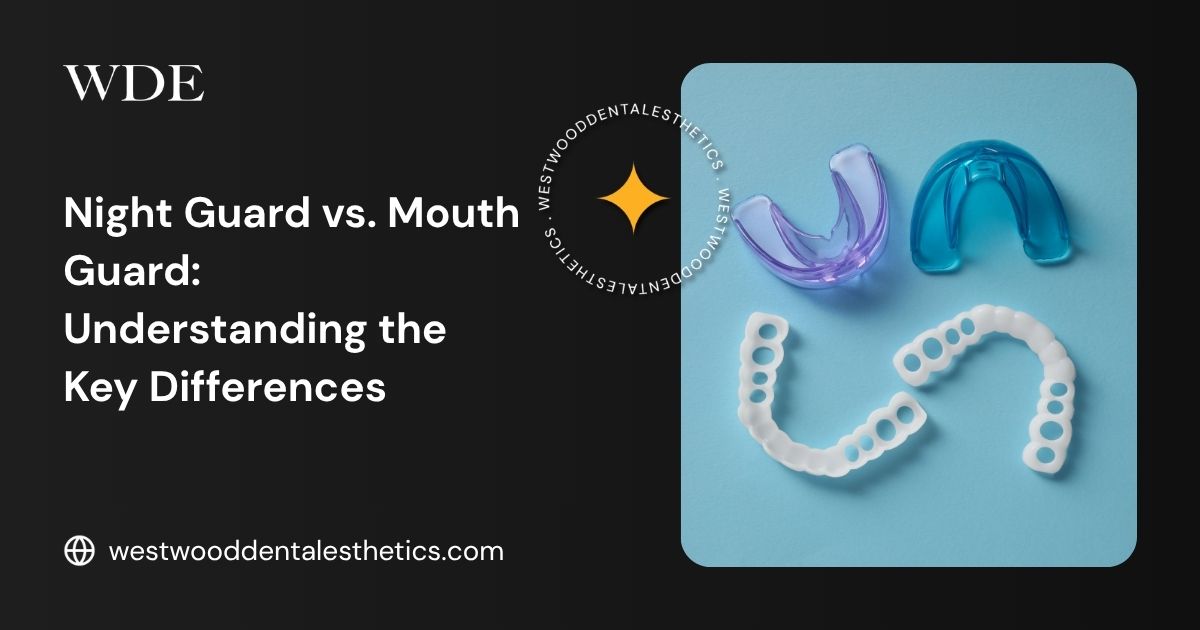
Custom night guards may be considered when clenching or grinding is contributing to tooth wear or other dental concerns. They can help protect the teeth, although they do not eliminate bruxism and do not relieve every form of TMD-related pain.
Persistent concerns may also benefit from collaboration with physical therapists or other healthcare professionals when clinically indicated. Coordinated care can provide broader support for movement patterns, muscle function, and related factors beyond the teeth alone.
When appropriate, professional care may begin with conservative measures based on the individual’s symptoms and clinical findings.
How Dr. Kiai Evaluates Morning Jaw Pain and TMJ Symptoms

Persistent jaw discomfort is best evaluated by considering the symptoms, clinical findings and possible contributing factors rather than assuming one cause. Clinical assessment can help place symptoms, habits, and functional changes into context instead of relying on one sign alone.
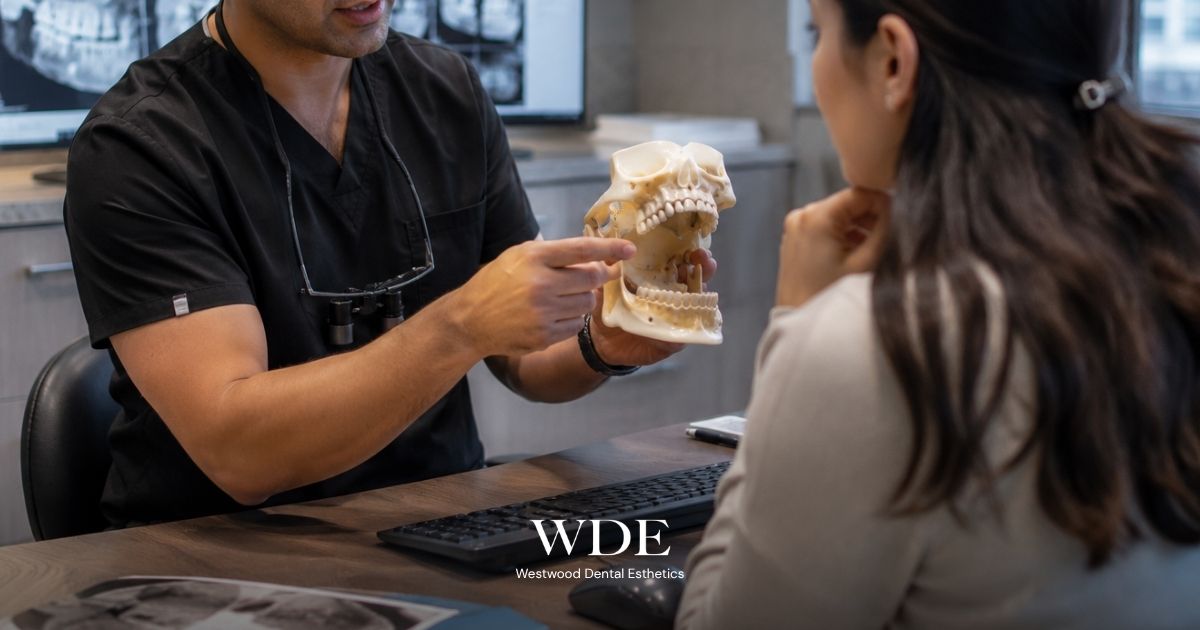
Dr. Kaivan Kiai, DDS, and the team at Westwood Dental Esthetics help patients better understand persistent jaw concerns through clinical assessment, education, and discussion of contributing factors. A clinical assessment may include evaluating jaw movement, areas of tenderness, bite relationships, and other findings that help place persistent symptoms into context.
Conversations often include sleep routines, stress-related clenching, morning tightness, and any history of grinding that has been noticed by the patient or a partner. These observations are considered alongside clinical findings rather than interpreted in isolation.
When appropriate, management begins with conservative measures based on the individual’s symptoms and clinical findings. A custom night guard may be discussed when sleep-related clenching or grinding is contributing to tooth wear or other dental concerns. Because an appliance does not resolve every source of jaw pain, physical therapy, medical evaluation or referral to an orofacial pain specialist may also be considered when clinically appropriate.
Patients seeking guidance are welcome to schedule an appointment at 1964 Westwood Blvd. Suite 250, Los Angeles, CA 90025. The visit provides an opportunity to review ongoing concerns, ask questions, and better understand which conservative approaches may be appropriate.