

Why Choose Dr. Kiai for Veneers in Westwood?
Cosmetic planning considers your aesthetic goals alongside relevant dental needs when appropriate.
Veneer Planning Based on Your Aesthetic Goals
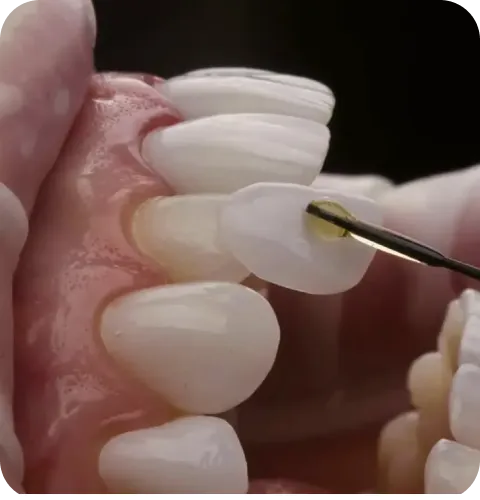
Veneer planning starts with the concerns you want to address and the appearance you are seeking. Shape, shade, proportion, and smile balance can all inform planning, including when a balanced, natural-looking appearance is part of your aesthetic goal.
Dr. Kaivan Kiai’s Verified Dental Education
Dr. Kaivan Kiai, DDS, earned his dental degree from the Herman Ostrow School of Dentistry of USC after completing his bachelor’s degree in biology at USC. These verified credentials provide relevant professional background for patients considering veneer care at the practice.
Dental Factors Considered in Veneer Planning
Veneer suitability is considered in relation to enamel condition, gum health, tooth position, bite forces, existing dental work, and broader oral-health needs. These factors help determine whether veneers are appropriate for the specific concerns being addressed.
Veneers Within Broader Cosmetic and Dental Care
We consider your veneer goals alongside relevant dental conditions and your broader cosmetic goals. When other aesthetic concerns are involved, our approach to cosmetic dentistry in Westwood provides a broader framework for planning your care.
Veneer Care on Westwood Boulevard
At our Westwood Boulevard practice, we can discuss your veneer goals, existing dental work, and relevant oral-health considerations to determine whether veneers are appropriate for the concerns you want to address.
How Veneers Actually Work
Veneer treatment involves material, preparation, design, and bonding decisions specific to each case.
Porcelain Veneers vs. Composite Veneers: What’s Actually Different
Porcelain or ceramic veneers and direct composite veneers use different restorative materials and treatment approaches. Ceramic veneers are generally fabricated before bonding to the tooth, while direct composite is shaped using resin material applied to the tooth. Material choice involves aesthetic goals, tooth condition, treatment design, and other clinical considerations.
No-Prep and Minimal-Prep Veneers: Who May Be a Candidate
No-prep and minimal-prep approaches are general veneer concepts intended to limit tooth preparation in selected situations. They are not appropriate for every tooth or aesthetic goal. Existing tooth position, contour, enamel, available restorative space, and the desired change all influence whether a reduced-preparation approach is clinically suitable.
Tooth Preparation: Why the Amount Varies
Veneer preparation is not identical for every patient or tooth. The amount of tooth structure involved varies with tooth position, existing enamel, veneer design, material, and the intended change. When preparation requires removing natural tooth structure, that alteration should not be treated as reversible simply because the restoration covers the prepared surface.
The Bonding Process, Shade, and Final Appearance
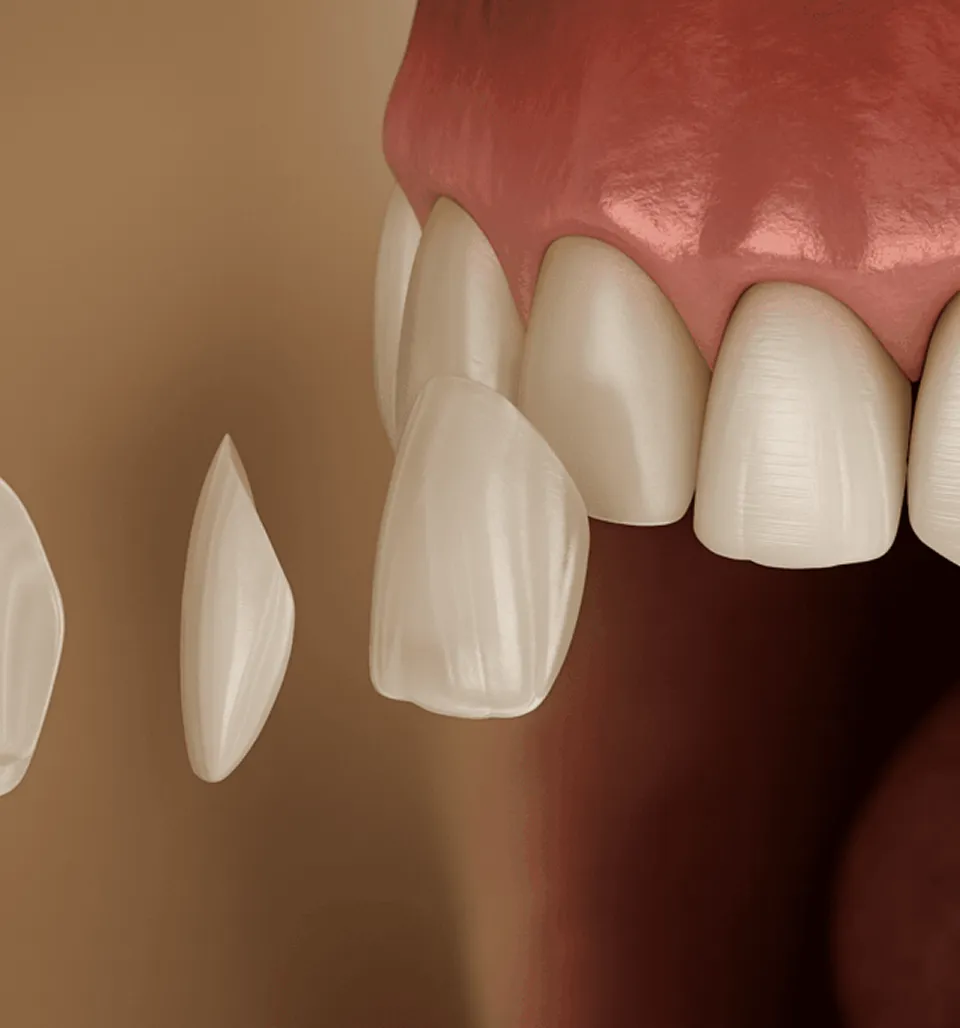
Veneers are bonded to prepared or selected tooth surfaces using adhesive restorative techniques appropriate to the material and clinical situation. Shade, contour, proportion, and translucency influence the visible appearance. Before final bonding, veneer fit, appearance, and the way the restoration relates to the bite are clinical considerations that can be evaluated.
Temporary Veneers During Some Treatment Workflows
Temporary or provisional restorations are used in some preparation-based veneer workflows while final restorations are being fabricated. Their role varies with the treatment approach and amount of preparation involved, so they are not a universal stage of veneer treatment. The specific sequence depends on the restorative plan for the teeth involved.
Digital Impressions and Veneer Planning
Digital scans can create detailed records of tooth surfaces that may support restorative planning or fabrication. In veneer care, digital records can contribute information about tooth shape, position, and proportions, while shade, smile appearance, and other clinical factors require broader evaluation during treatment planning.
Are Veneers Right for Your Case?
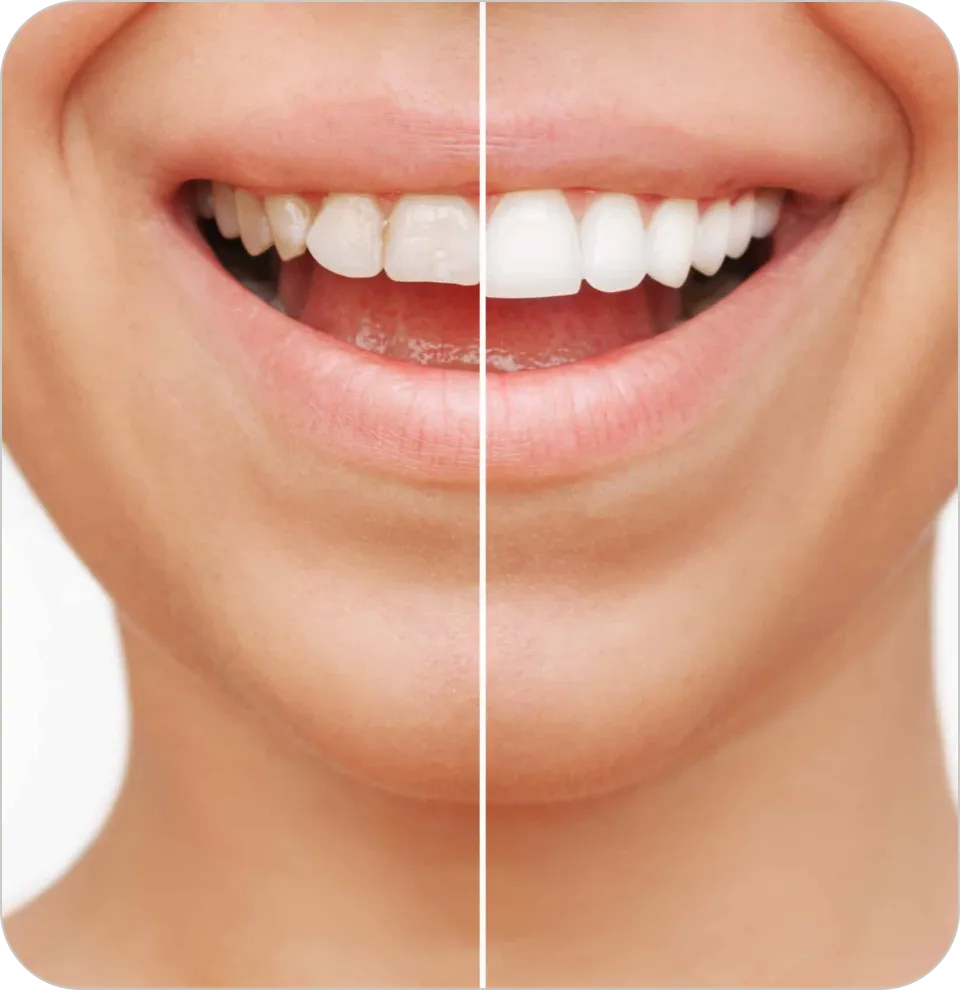
Veneers can address selected aesthetic concerns, but suitability depends on tooth condition, alignment, existing restorations, and the intended change.
Single-Tooth Concerns: Chips, Wear, and Discoloration
A veneer may be considered when one visible tooth has concerns involving color, shape, contour, a minor chip, or worn edges. When damage also affects tooth structure, restorative needs become part of treatment selection, so the condition of the tooth matters alongside its appearance.
Veneers for Broader Changes in Smile Appearance
Veneers may also be considered when several visible teeth have combined concerns involving shape, contour, proportion, color, small gaps, or uneven edges. Broader aesthetic goals do not automatically mean veneers are appropriate for every tooth or that alignment concerns should be treated cosmetically.
Veneers vs. Crowns: When Treatment Goals Differ
Veneers primarily cover the front surface of selected teeth to address specific aesthetic concerns, while crowns provide substantially broader tooth coverage. Remaining tooth structure, existing damage or restorations, bite forces, and treatment goals help determine which restorative approach may be appropriate.
Veneers vs. Invisalign®: When Alignment May Change the Plan
Veneers change the visible form and appearance of selected teeth; they do not orthodontically reposition them. When tooth position is a significant part of your concern, learn more about Invisalign® in Westwood and how orthodontic treatment may factor into the broader cosmetic plan.
Veneers With Existing Crowns, Bonding, or Restorative Work
Existing crowns, bonding, fillings, veneers, or other restorations do not automatically exclude veneer treatment. Their location, condition, appearance, and relationship to the proposed cosmetic change affect planning. When structural dental needs are also present, learn more about restorative dentistry in Westwood and how it may factor into the broader treatment plan.
Why Veneer Planning Requires More Than Appearance Alone
Veneer suitability involves more than identifying a visible concern. We consider enamel and tooth condition, gum health, tooth position, bite forces, existing dental work, and your aesthetic goals because these factors influence whether veneers fit the proposed change or another treatment approach may be more appropriate. Patients considering a broader combination of aesthetic treatments can also explore cosmetic dentistry in Westwood.
Veneer Case Considerations at a Glance
| Concern or Situation | How Veneers May Fit | What Else May Affect the Plan |
|---|---|---|
| Selected Color, Shape, or Contour Concerns | May Alter the Visible Appearance of Selected Teeth | Tooth Condition, Goals, and Existing Dental Work |
| Chips or Worn Edges | May Address Selected Visible Contour Concerns | Extent of Damage and Structural Needs |
| Tooth-Position or Alignment Concerns | Can Change Visible Tooth Form, Not Tooth Position | Orthodontic Treatment May Affect Sequencing |
| More Structurally Compromised Teeth | Veneer Suitability Depends on Remaining Tooth Structure | Remaining Tooth Structure, Bite Forces, and Restorative Needs |
| Existing Crowns, Bonding, or Restorations | Existing Work Does Not Automatically Exclude Veneers | Location, Condition, Appearance, and Treatment Compatibility |
| Broader Aesthetic Changes Involving Several Teeth | Veneers Across Multiple Teeth May Be Considered | Tooth-by-Tooth Suitability, Proportion, Alignment, and Existing Restorations |
The Veneers Treatment Process at Westwood Dental Esthetics
Veneer treatment moves from planning and tooth evaluation through treatment-specific preparation, placement, and ongoing care.
Discussing Your Veneer Goals and Tooth Condition
Veneer planning begins by reviewing the concerns you want to address and the condition of the teeth being considered. Enamel, gum health, bite forces, tooth position, existing dental work, and broader oral-health needs can all influence whether veneers fit the proposed cosmetic plan.
Gathering Records and Planning the Veneer Design
Digital imaging, impressions, or other records may support veneer planning when appropriate. We consider factors such as tooth shape, shade, proportion, smile balance, and surrounding features when planning the intended aesthetic change.
Preparing Selected Teeth as Needed
Selected teeth are prepared as needed according to the veneer plan and clinical circumstances. Preparation requirements are not identical for every veneer case. When natural tooth structure is intentionally removed, that alteration should be understood as part of the treatment rather than described as reversible.
Creating the Custom Veneers
How veneers are created depends on the material and treatment approach. Some veneers are fabricated before placement, while direct composite is shaped using resin material applied to the tooth. The design still considers the intended shape, proportion, shade, and relationship to the surrounding teeth.
Checking Fit, Appearance, and Bite Comfort
For veneers fabricated before placement, fit and appearance can be evaluated before final bonding. We also consider how the restoration relates to the surrounding teeth and bite. The exact evaluation and placement sequence differs according to the veneer material and treatment approach being used.
Bonding the Veneers in Place
Veneer placement uses adhesive restorative techniques appropriate to the material and clinical situation. The sequence differs between veneer approaches, including restorations fabricated before placement and direct composite applied and shaped on the tooth, so there is no single bonding workflow that applies to every veneer case.
Caring for Veneers After Treatment
After treatment, veneer care includes daily brushing and flossing, routine dental visits, and avoiding biting hard objects. Additional protective measures may be discussed when habits or bite forces could affect the restorations.
What to Expect: Comfort, Longevity, and Everyday Care
Veneer comfort, durability, and maintenance vary with the treatment, material, and your dental needs.
Do Veneers Hurt?
Comfort during veneer treatment varies with the type of veneer, whether tooth preparation is needed, the extent of preparation, and individual sensitivity. Local anesthetic may be used when preparation is required.
Sensitivity After Veneer Treatment
Temporary sensitivity can occur after veneer treatment, particularly when tooth preparation is involved. Persistent, worsening, or otherwise concerning sensitivity should be evaluated rather than assumed to be temporary.
Eating, Biting, and Habits That Can Affect Veneers
Biting hard objects can place unnecessary stress on veneers. Grinding, clenching, and other bite forces may also affect restorations, so a nightguard may be considered when these factors are relevant.
How Long Do Veneers Last?
Ceramic veneers have shown survival rates of about 95%–96% at approximately 10 years in systematic reviews.1 2 Individual veneer longevity varies, so these survival estimates should not be interpreted as a guaranteed lifespan for a particular restoration.
Do Veneers Stain? Care and Cleaning
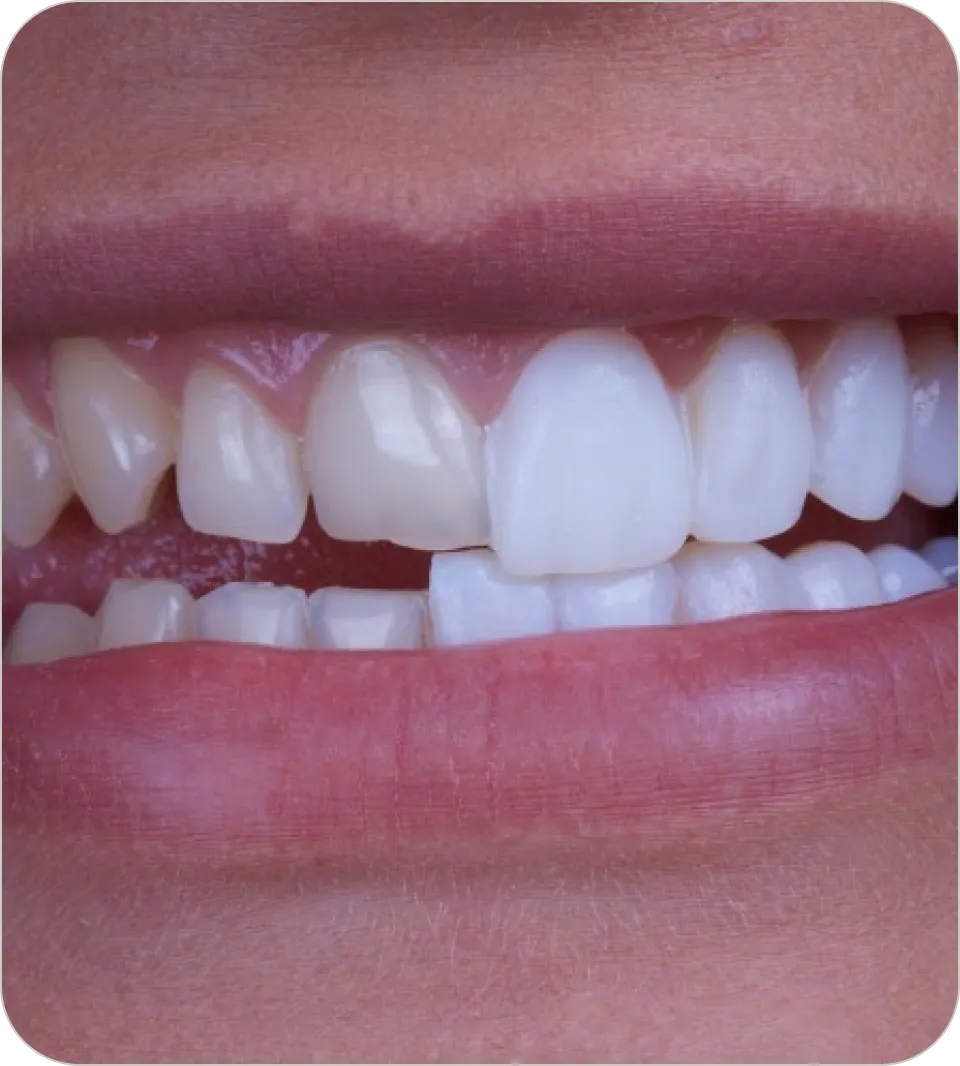
Staining behavior differs between ceramic and composite veneer materials, so veneers should not be described as universally stain-proof. Routine brushing, flossing, and ongoing dental care remain important for the veneers and surrounding teeth and gums. To learn more about maintaining your broader oral health, explore general dentistry in Westwood.
What Happens When Veneers Need Replacement?
Veneers may eventually require repair or replacement, but age alone does not determine when. Their condition, margins, wear, chipping, surrounding tooth structure, and aesthetic or other clinical concerns help determine whether further treatment is appropriate.

Veneers for Different Aesthetic Goals in Westwood

Veneers for Working Professionals
Working professionals may consider veneers when they want to address visible concerns involving tooth color, shape, contour, proportion, minor chips, worn edges, or small gaps. We plan veneer treatment around the specific changes you want to consider and the condition of the teeth involved.

Veneers After Orthodontic Treatment
Orthodontics changes tooth position, while veneers change the visible appearance of selected teeth. After orthodontic treatment, concerns involving color, shape, proportion, chips, or worn edges may remain separate cosmetic considerations. Learn more about orthodontics in Westwood.

Veneers for Actors and Public-Facing Professionals
If your work or activities make smile appearance an important personal consideration, veneers may be considered for selected visible concerns. Planning remains centered on the aesthetic changes you want to explore and the dental factors relevant to treatment.

Coordinating Veneers With Teeth Whitening
Whitening changes the shade of natural teeth but does not lighten existing veneers or other restorations in the same way. When both treatments are being considered, sequencing can influence shade planning. Learn more about teeth whitening in Westwood.
Veneers Cost, Insurance, and Financing in Westwood
What Determines Veneer Cost?
There is no single fee for veneer treatment. Cost relates to the treatment being proposed, including its scope and the veneer material involved. A case involving one tooth may also differ financially from treatment involving several teeth.
Porcelain vs. Composite Veneer Cost Considerations
Porcelain and composite veneers involve different materials and treatment approaches, so material selection can be relevant to cost. Pricing also depends on the treatment being proposed, which means material alone does not establish the total cost of an individual veneer case.
Why Veneer Pricing Varies
Veneer pricing varies because treatment is planned around the teeth involved and the care being proposed. A general Westwood or West LA market figure cannot determine your individual cost, so pricing is most useful when based on your treatment plan.
Are Veneers Covered by Dental Insurance?
Veneer coverage depends on your individual dental plan, applicable benefits and coverage terms, and the treatment being proposed. A treatment should not be assumed to be covered or excluded solely because veneers are commonly associated with cosmetic dentistry.
PPO Insurance at Westwood Dental Esthetics
Westwood Dental Esthetics accepts most major PPO insurance plans. Plan acceptance does not establish coverage or reimbursement for a particular veneer treatment, so applicable benefits and coverage terms need to be considered separately.
Financing and Available Payment Options
Patients considering veneers can discuss treatment costs, financing, and available payment options with our practice. The financial information relevant to each patient depends on the proposed treatment and the options available to them.
Getting a Treatment-Specific Veneer Cost Estimate
Once your proposed veneer treatment has been established, we can discuss cost information specific to your care rather than relying on a generic veneer price. You can contact our office to arrange your veneers appointment and discuss treatment-specific financial information.
Book Your Veneers Appointment in Westwood
Schedule your veneers appointment at Westwood Dental Esthetics to discuss the appearance concerns you want to address and your aesthetic goals. We can review relevant dental considerations, including existing dental work, and discuss whether veneers may be appropriate for the changes you are considering before determining the appropriate next steps for your care.
Westwood Dental Esthetics
- 1964 Westwood Blvd. Suite 250 Los Angeles, CA 90025
- Phone: (310) 475-1667
- Hours: Mon–Fri 8:00 am–5:00 pm | Sat–Sun Closed