

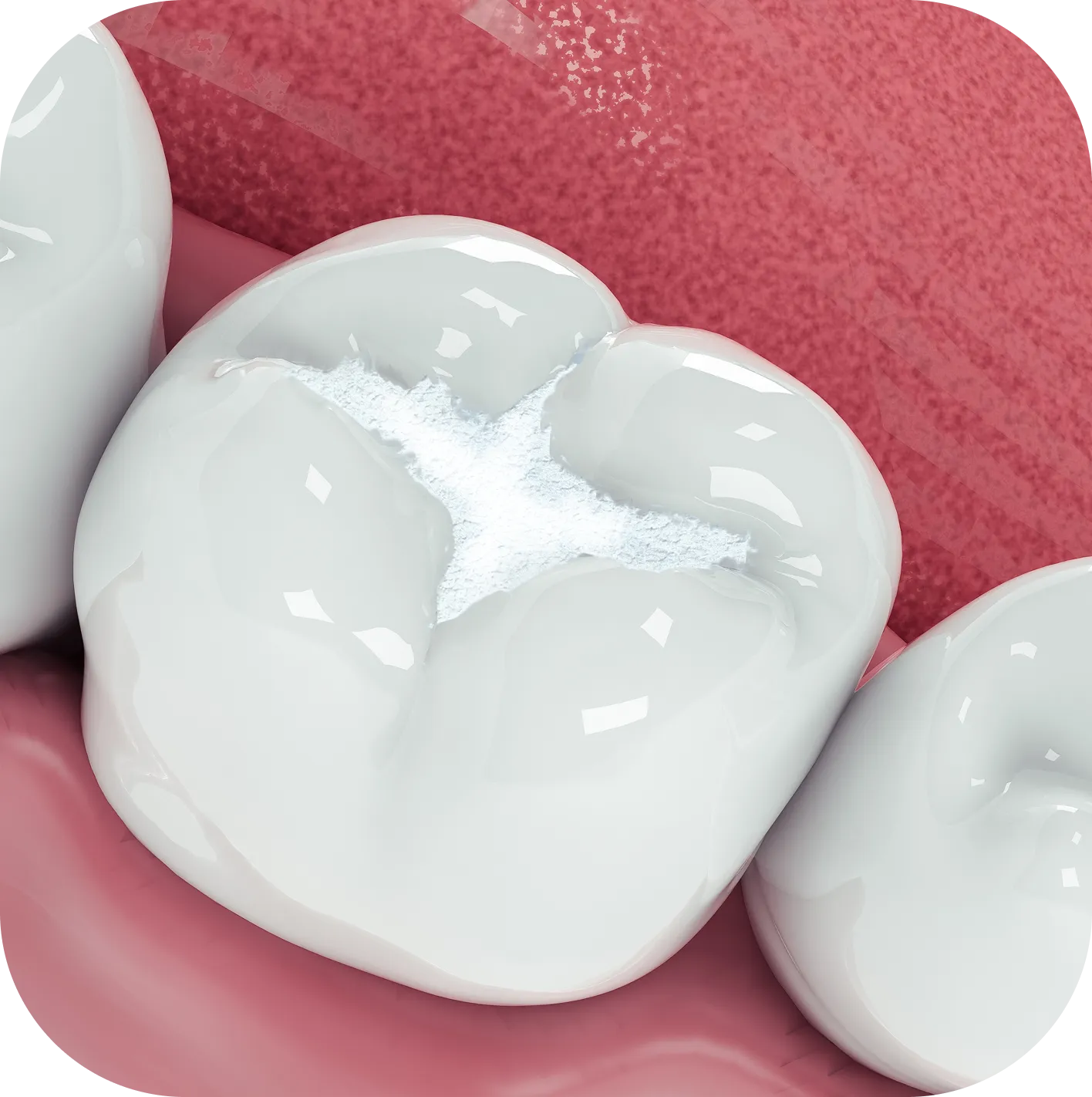
What White Fillings Do
A white filling helps restore the damaged area after decay or weakened tooth structure is removed. The goal is to rebuild the tooth in a way that supports everyday function while maintaining a natural-looking appearance.

When a White Filling May Be Recommended
A white filling may be recommended when a cavity is small enough to repair without needing a larger restoration such as a crown, inlay, or onlay. It may also be used to replace an older filling, repair a minor chip, or improve a small visible defect.
The suitability of a white filling depends on how much healthy tooth structure remains, where the tooth is located, and how much chewing force the area receives. Larger or more weakened teeth may need a different restorative option for stronger support.
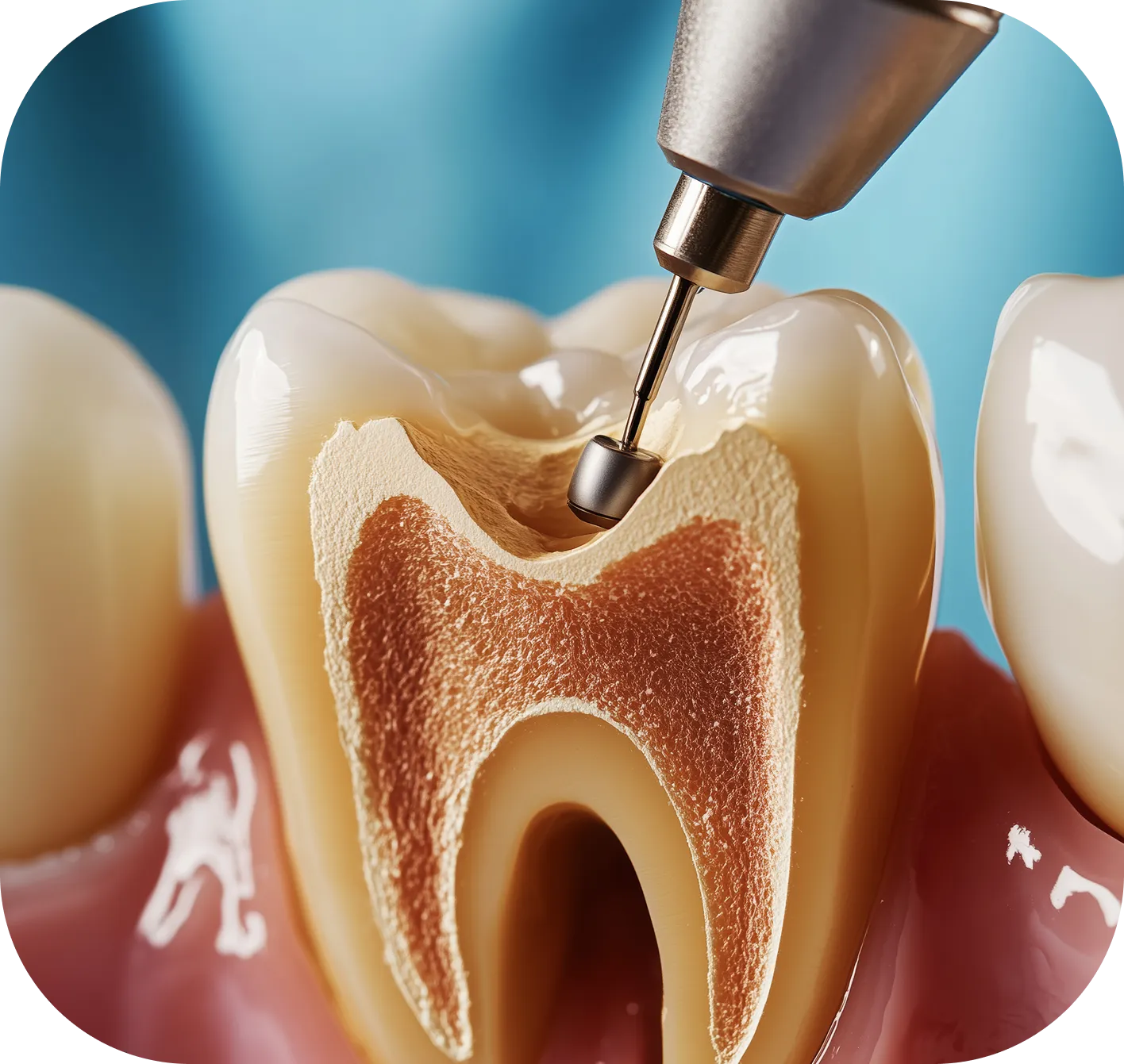
The White Filling Process
At Westwood Dental Esthetics, the white filling process begins with an evaluation to identify the damaged or decayed area and determine whether a filling is appropriate. Digital imaging or other diagnostic tools may be used to assess the tooth and surrounding structure.
If a white filling is recommended, the affected area is cleaned and prepared, and the tooth-colored material is placed in layers. The filling is shaped, hardened, adjusted for bite comfort, and polished so it blends smoothly with the natural tooth.

Choosing the Right Restoration for the Tooth
White fillings are often appropriate when the damaged area can be repaired while preserving enough healthy tooth structure for stable daily function. If the area is larger, more heavily worn, or exposed to stronger chewing forces, another restoration may provide better long-term support.
A consultation at Westwood Dental Esthetics can help determine whether a white filling, inlay, onlay, crown, or another restorative option may better fit your needs. Recommendations are based on the size of the damaged area, remaining tooth structure, bite forces, appearance goals, and long-term treatment priorities.

Benefits of White Fillings
White fillings do more than repair small areas of tooth damage. They can help restore function, protect tooth structure, and maintain a natural-looking smile. Some potential benefits include:
Natural-Looking Appearance
White fillings are shaded to blend with the surrounding tooth. This makes them especially helpful for visible areas where appearance matters.
Restore Tooth Function
A filling helps rebuild the area affected by decay, wear, or minor damage. Once restored, the tooth can usually function more comfortably during everyday chewing.
Conservative Tooth Repair
White fillings are often used for smaller areas of damage. The treatment focuses on repairing the affected portion while preserving as much healthy tooth structure as possible.
Repair Small Chips or Defects
Composite material can be shaped to correct certain small chips, worn edges, or minor surface irregularities. This may improve both appearance and comfort.
Support Long-Term Tooth Protection
Treating cavities early can help reduce the risk of deeper decay or more extensive structural breakdown. Regular dental visits help monitor the filling and surrounding tooth over time.
Custom Fit for Daily Use
White fillings are shaped and adjusted to fit the bite comfortably. Proper placement and polishing help the restoration feel smooth during normal daily function.
Restore Your Tooth with White Fillings
If you’re dealing with a cavity, chipped tooth, or an old filling that needs replacement, composite restorations provide a strong, natural-looking fix.
Schedule your visit at Encino Dental Esthetics today to receive careful treatment designed to restore function and support your oral health.