
Why Consider Westwood Dental Esthetics for Botox for TMJ?
Westwood Dental Esthetics offers Botox for TMJ in Westwood within a practice that also provides broader TMJ care and dental treatment planning.
TMJ Care Within a Dental Setting
We provide TMJ evaluation and care, giving patients considering Botox a dental setting in which to discuss their jaw concerns. Our dedicated TMJ treatment in Westwood page explains this broader service.

Discussing Whether Botox Fits Your TMJ Care
An appointment provides space to discuss the jaw symptoms or concerns prompting your interest in Botox and whether this option warrants consideration. This helps clarify the role Botox may have within the broader treatment discussion.
Verified Education of Dr. Kaivan Kiai, DDS
Dr. Kaivan Kiai, DDS earned his dental degree from the Herman Ostrow School of Dentistry of USC and his bachelor’s degree in biology from USC. These verified credentials establish his educational background in dentistry and biological sciences.

Botox for TMJ Care on Westwood Blvd.
Westwood Dental Esthetics offers Botox for TMJ at its Westwood Blvd. practice, providing a local option for patients in Westwood and West Los Angeles who want to discuss this treatment and their next steps.
How Botox Can Affect Jaw Muscle Activity
Botulinum toxin limits nerve signals that trigger contraction, reducing activity in treated muscles.
Reducing Excessive Jaw Muscle Activity
Botulinum toxin limits acetylcholine release where nerves communicate with injected muscles, reducing their contraction. This mechanism can be considered when excessive jaw-muscle activity is part of the clinical picture, but it does not correct the joint, bite, or underlying cause of TMD.
The Masseter Muscle and Jaw Tension
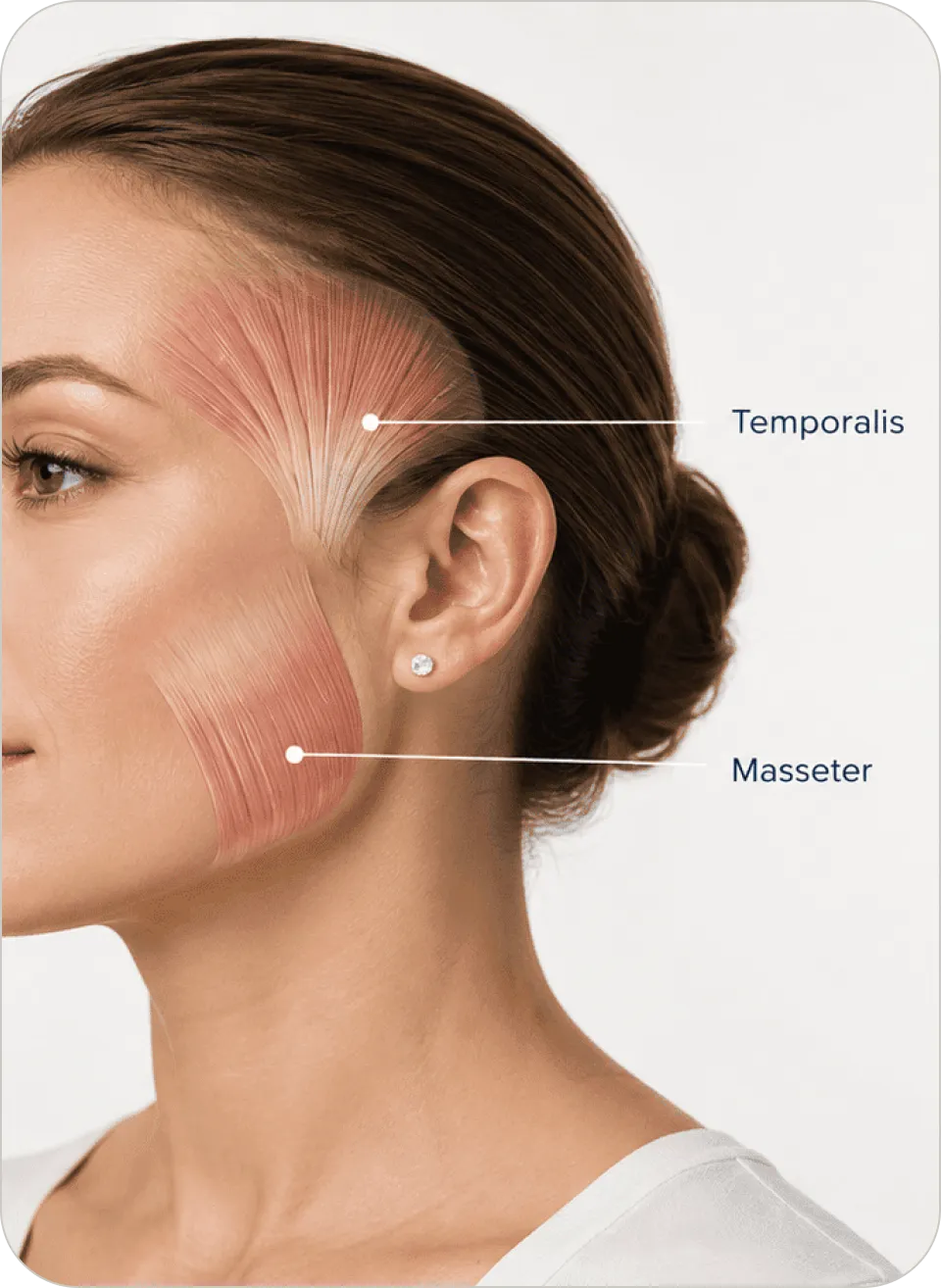
The masseter is a major muscle responsible for closing the jaw. When botulinum toxin is injected into a targeted muscle, it reduces contractile activity without changing the position of the jaw joint or correcting dental occlusion.
Botulinum Toxin and Clenching or Bruxism
Botulinum toxin has been studied for reducing jaw-muscle activity associated with bruxism and repetitive clenching. Its effect on muscle activity does not mean it addresses every factor contributing to these behaviors. Separate information about protective mouth guards in Westwood explains their distinct dental role.
Jaw Muscle Tension and Headache Symptoms
Jaw-muscle pain can sometimes be felt in nearby facial or temporal areas. Because headaches have many possible causes, these symptoms require separate assessment rather than being assumed to reflect TMD or a reason for botulinum toxin treatment.
Muscle Relaxation Does Not Address Every TMD Problem
Botulinum toxin acts on muscle activity, so it does not address every source of TMJ or TMD symptoms. Joint disorders, dental factors, and other contributors may require different forms of evaluation and management.
Where Botox May Fit in TMJ Treatment
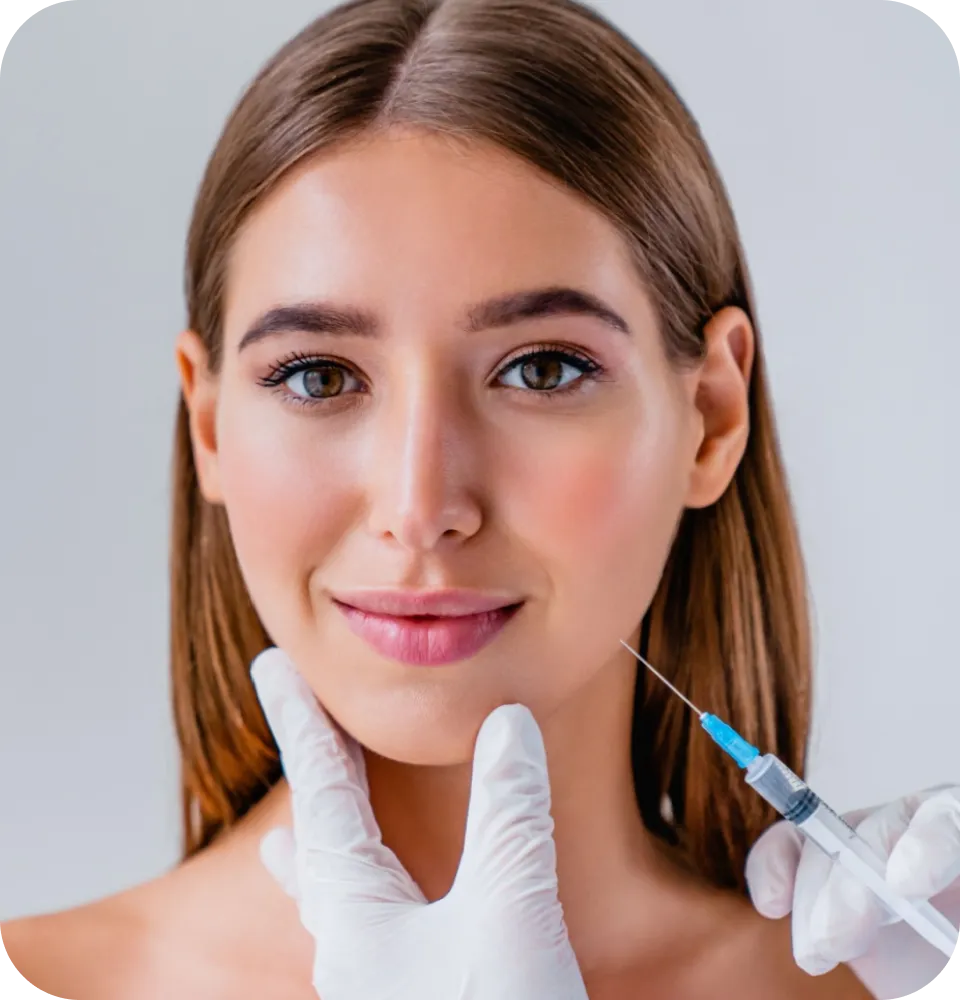
BOTOX® and XEOMIN® are botulinum toxin type A products that Westwood Dental Esthetics may use for selected TMJ- or bruxism-related concerns. Their use for TMD is off-label in the United States, and they are not appropriate for every patient. Evidence for TMD symptom relief remains mixed, so treatment should be considered within a broader management plan rather than as a routine or first-line approach.
Botox and Night Guards Serve Different Purposes
Botulinum toxin reduces activity in injected muscles, while night guards may be used to reduce direct tooth-to-tooth contact or protect teeth from the effects of grinding or clenching. These approaches serve different purposes, and treatment selection should reflect the specific problem being addressed.
Botox Within a Broader TMJ Management Plan
TMJ treatment in Westwood can involve different approaches based on the factors contributing to symptoms. Botulinum toxin may form one part of that broader strategy when muscular activity is clinically relevant to the individual presentation.
When Botox May Be Considered
Botulinum toxin may enter the treatment discussion when clinically relevant muscle overactivity or myofascial factors contribute to symptoms. Its potential role depends on the presentation because it does not address every source of TMD-related pain.
Why Assessment Comes Before Treatment Selection
Similar jaw symptoms can arise from muscular, joint-related, dental, or other factors. Assessment helps distinguish these possibilities before treatment is selected, rather than matching Botox automatically to pain, clenching, grinding, or another isolated symptom. Assessment also provides an opportunity to weigh the potential benefits and limitations of botulinum toxin against other appropriate management options.
What Botox for TMJ Treatment Can Involve
Botox treatment involves clinical assessment and injection planning, with response and the need for any future treatment considered on an individual basis.
Consultation Before Botox Treatment
Consultation reviews the concerns being evaluated and relevant clinical factors before botulinum toxin enters the treatment discussion.
Treatment Planning
When botulinum toxin is considered, treatment planning takes account of the clinical concern, treatment objective, and relevant findings from the assessment.
What Happens During Botulinum Toxin Injections
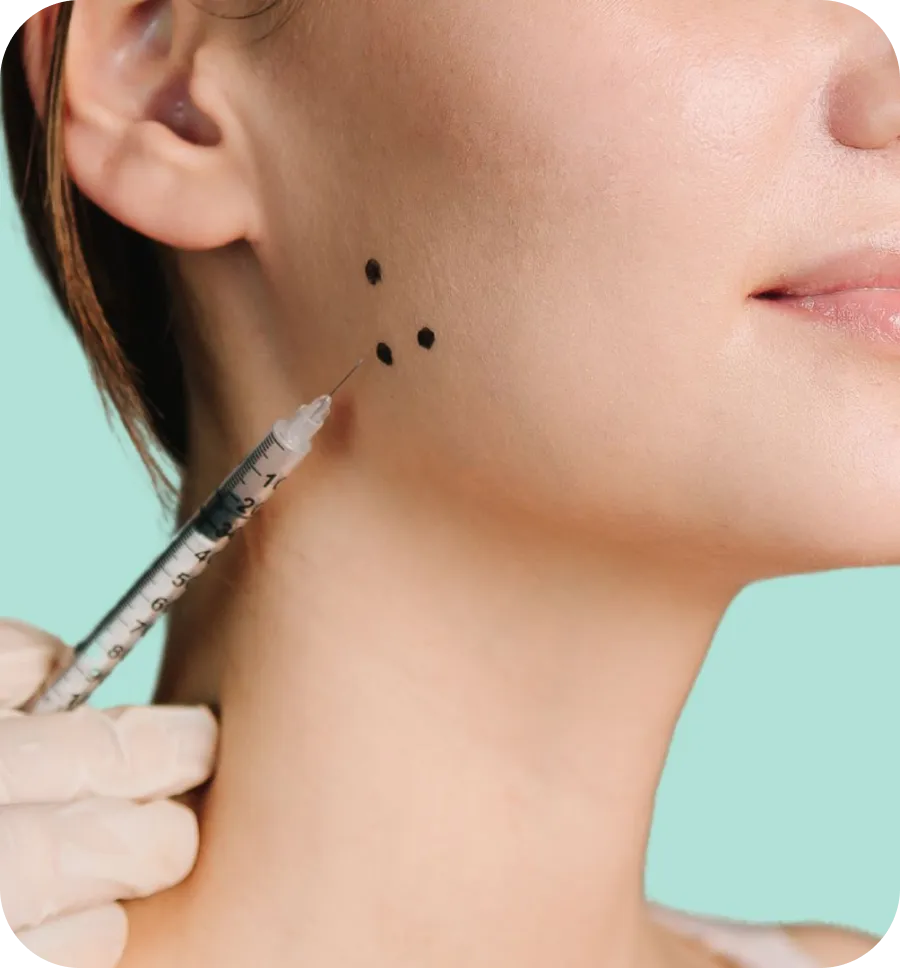
Botulinum toxin is administered by injection into the treatment areas identified as part of the clinical treatment plan.
When Treatment Effects Develop
Botulinum toxin begins affecting muscle activity after administration, while any symptom change can follow a different course.
Follow-Up and Future Treatment
Treatment response may be reassessed over time, with any future treatment considered according to the individual clinical situation.
Different Contexts for Jaw Pain and Clenching
Jaw pain, clenching, and grinding occur in different clinical contexts and do not point to one treatment automatically.
Persistent Grinding and Clenching
Repeated clenching or grinding involves jaw-muscle activity and can be associated with muscle fatigue, soreness, or dental wear. Bruxism can coexist with TMD, but it is not itself a TMD diagnosis.
Stress, Muscle Tension, and Jaw Symptoms
Stress can coincide with increased jaw-muscle tension, clenching, or awake bruxism in some people. Jaw pain still has multiple possible contributors and should not automatically be attributed to stress or a TMD diagnosis.
Persistent Symptoms Despite a Night Guard
Continued symptoms while using a night guard do not automatically mean the appliance has failed or that Botox should follow. Further assessment can help reevaluate contributing factors and whether the treatment approach should be reconsidered.
When Jaw Symptoms Require a Different Treatment Approach
Some jaw symptoms involve joint, structural, dental, muscular, or other factors for which botulinum toxin may not be appropriate. Botox does not address problems that fall outside its effect on muscle activity.
Botox for TMJ Within Broader Dental Planning
Botox for TMJ has a distinct muscular role within broader dental planning, separate from orthodontic and restorative treatment objectives.
Jaw Muscle Activity and Broader Dental Considerations
Clenching and grinding can place mechanical stress on teeth and existing restorations. Botulinum toxin acts on injected muscle activity; it does not repair enamel, restore damaged teeth, or correct dental alignment or bite relationships.
Distinct Roles in Orthodontic and Restorative Treatment
Orthodontic and restorative care address different dental needs. To learn more about options for tooth position and alignment, explore orthodontic treatment in Westwood. For damaged or missing teeth and related restorative needs, learn more about restorative dentistry in Westwood. Botox has a different role focused on muscle activity when muscular factors are relevant.
Discussing Botox Within Your Broader Dental Plan
When Botox for TMJ is considered alongside other dental needs, each treatment should address its own clinical objective. Orthodontic or restorative treatment can then be planned according to the separate dental concerns being addressed.
Botox for TMJ Insurance, Cost, and Payment Options in Westwood
Understanding coverage, payment options, and treatment-specific costs can help you make an informed financial decision before proceeding.
Is Botox for TMJ Covered by Insurance?
Coverage for Botox for TMJ cannot be assumed from having dental or medical insurance. Benefits are determined by the specific plan and its coverage terms, so therapeutic use does not automatically mean treatment is covered.
PPO Insurance at Westwood Dental Esthetics
Westwood Dental Esthetics accepts most major PPO insurance plans. This general insurance acceptance does not establish whether a particular plan provides benefits for Botox for TMJ or what coverage terms apply to treatment.
Discussing Financing and Payment Options
We provide clear discussions about treatment costs, financing, and available payment options. For patients without insurance or with limited coverage, the Westwood Dental Esthetics Advantage Program may provide additional flexibility and savings opportunities.
Getting a Cost Estimate for Botox for TMJ
We discuss the cost of Botox for TMJ based on the treatment being proposed. Before you proceed, we review treatment-specific cost information so you can understand the financial details associated with your proposed care.
Book Your Botox for TMJ Consultation in Westwood
Schedule a consultation to discuss Botox for TMJ at our Westwood location and ask questions about the service and possible next steps. You can also explore our dental services in Westwood before your visit. When you’re ready to schedule, contact us or call our office.
Westwood Dental Esthetics
- 1964 Westwood Blvd. Suite 250 Los Angeles, CA 90025
- Phone: (310) 475-1667
- Hours: Mon–Fri 8:00 am–5:00 pm | Sat–Sun Closed
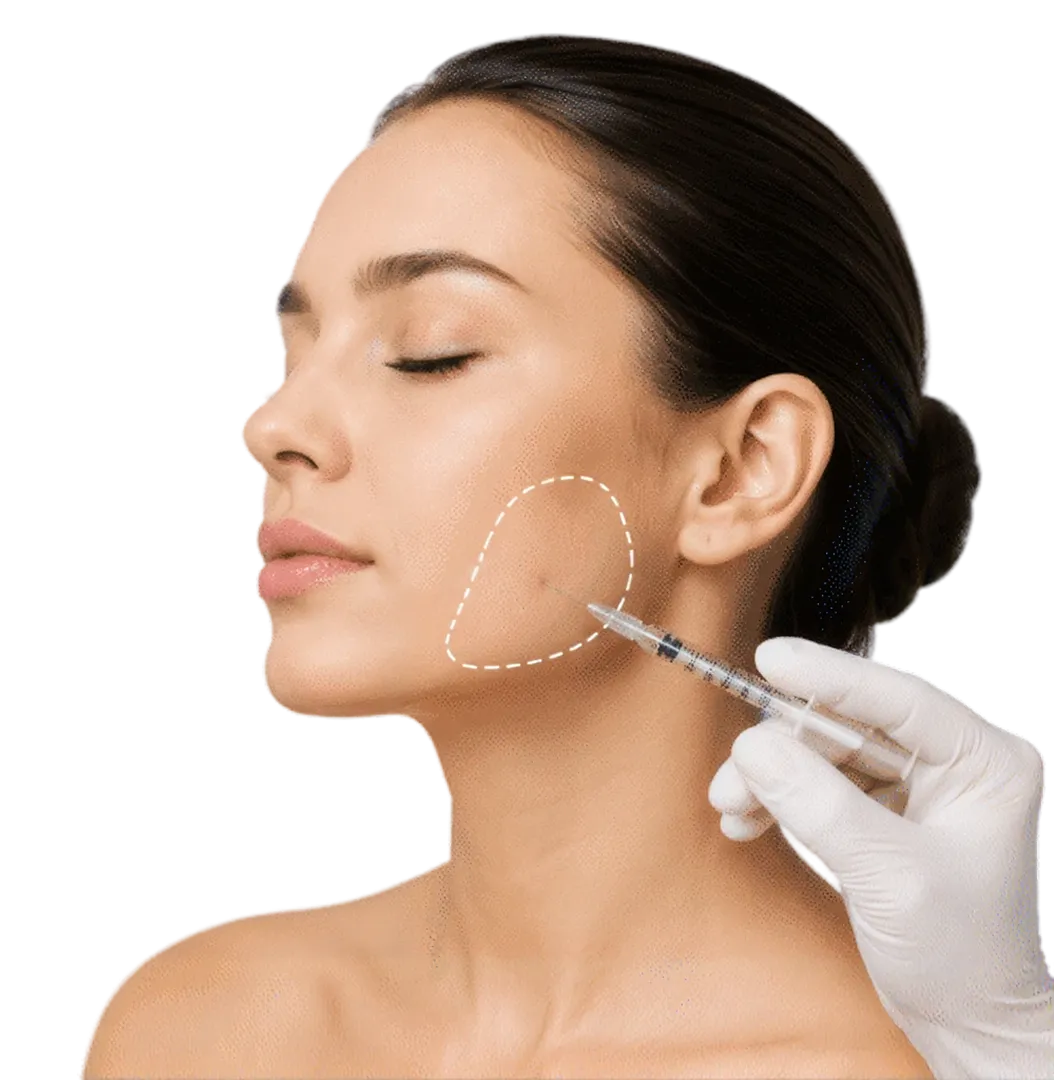
Results vary based on each patient’s condition, muscle response, treatment goals, and individual response to treatment. A professional consultation is required to determine whether botulinum toxin treatment is appropriate.