
Why Choose Westwood Dental Esthetics for Orthodontic Care?
Westwood Dental Esthetics provides a local setting for discussing orthodontic needs, treatment options, and next steps in Westwood.
Orthodontic Planning Within Broader Dental Care
Tooth position can influence decisions about other planned dental care, so orthodontic goals can be considered within the broader dental plan. Patients exploring clear aligners can learn more through Invisalign in Westwood.
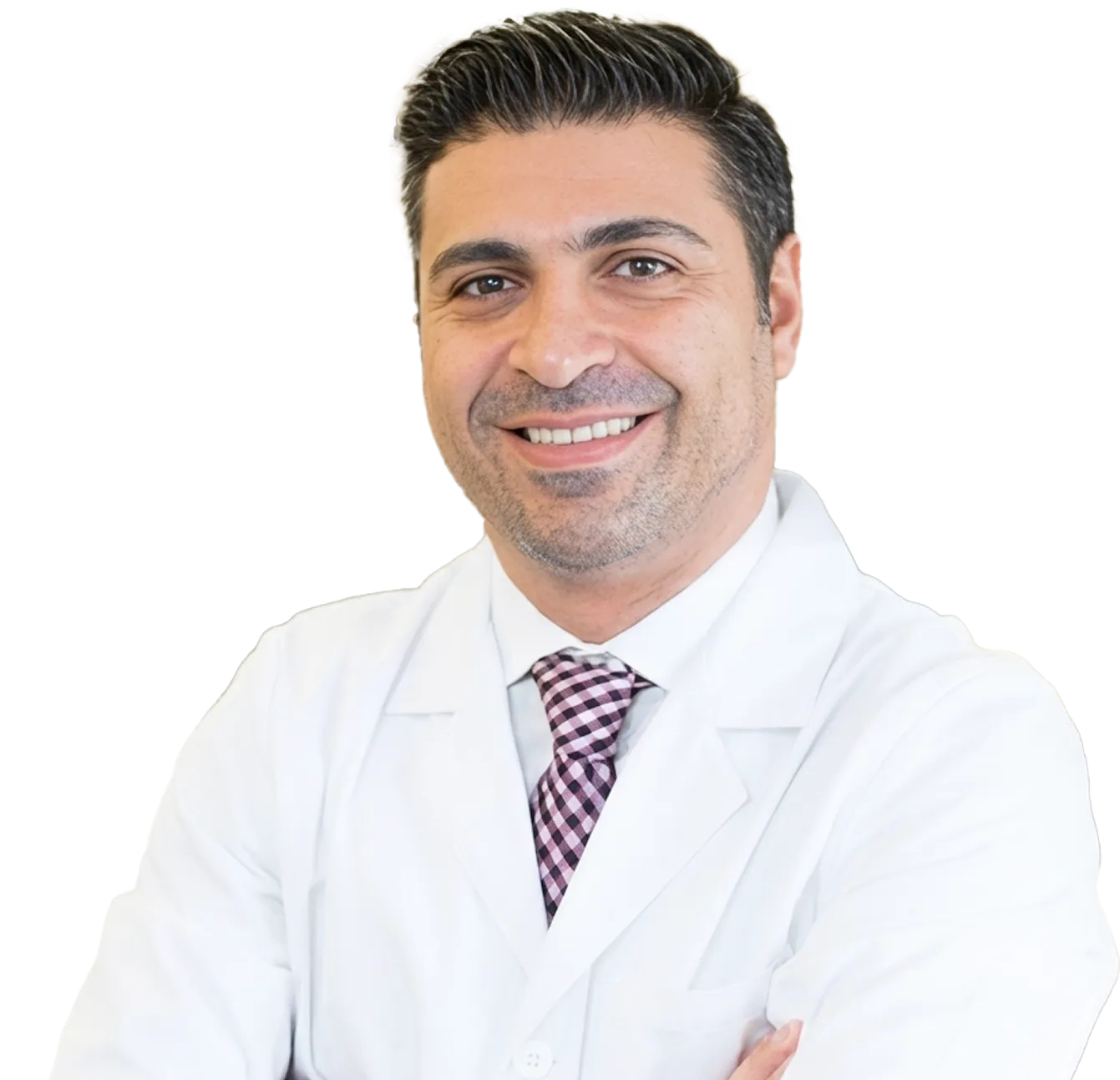
Care with Dr. Kaivan Kiai, DDS
Dr. Kaivan Kiai, DDS earned his dental degree from the Herman Ostrow School of Dentistry at USC after completing a bachelor’s degree in biology at USC. Patients can review their dental concerns and proposed treatment during consultation.
Digital Scanning with iTero
Westwood Dental Esthetics uses iTero digital scanning technology, which can support digital records and Invisalign® treatment planning. The records needed for your treatment will depend on your individual orthodontic needs.
Clear Treatment Discussions Before Orthodontic Care
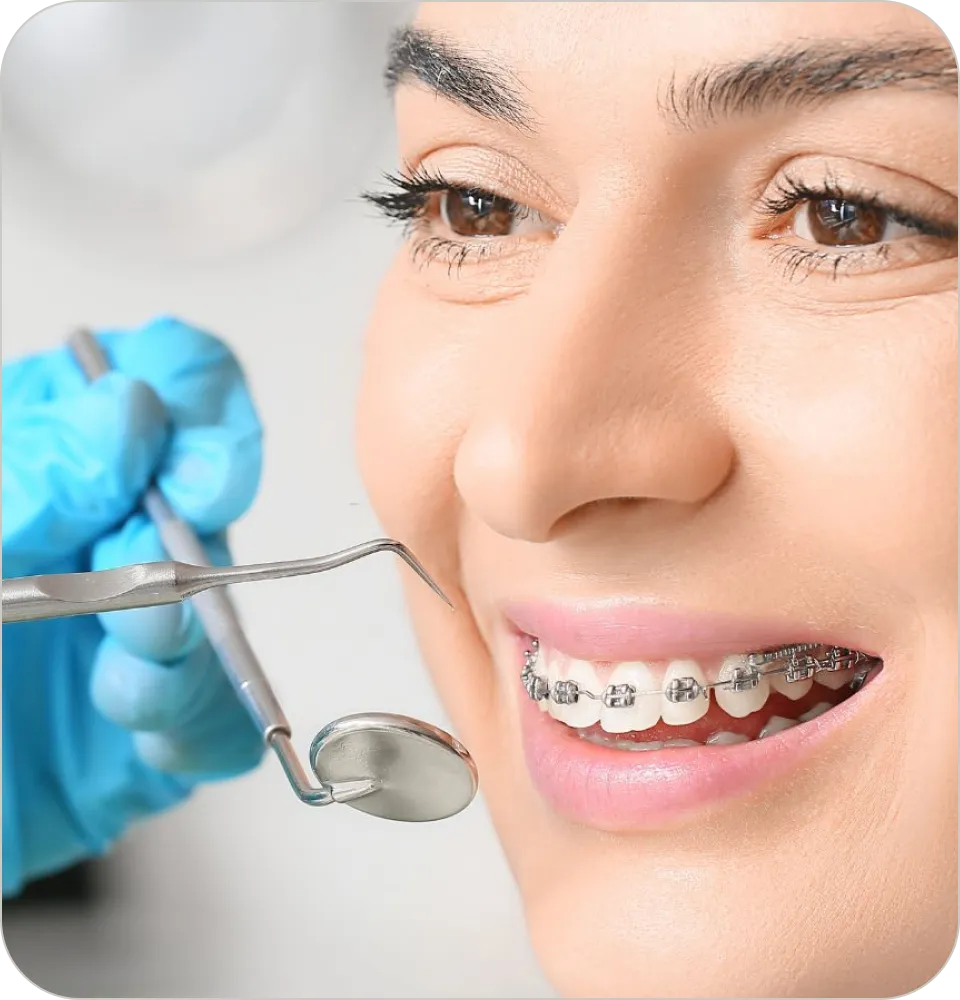
Orthodontic consultations give patients an opportunity to discuss their alignment or bite concerns, understand the treatment being considered, and ask questions before making decisions about care.
Orthodontic Consultations on Westwood Blvd.
Westwood Dental Esthetics is located at 1964 Westwood Blvd. Suite 250, Los Angeles, CA 90025, providing a local option for patients in Westwood and West Los Angeles seeking orthodontic consultation.
What Does Orthodontic Treatment Actually Correct?
Orthodontic treatment addresses tooth alignment and how the upper and lower teeth meet.
Crowded and Overlapping Teeth
Crowding occurs when available space does not allow teeth to align properly. Orthodontic treatment can reposition crowded or overlapping teeth, making tooth surfaces easier to reach during daily brushing and flossing.
Gaps and Spacing Between Teeth
Spacing can reflect differences in tooth size, position, or available space within the dental arch. Orthodontic treatment can close or redistribute spaces when indicated as part of improving tooth alignment or addressing relevant bite relationships.
Overbite, Underbite, and Crossbite Concerns
Overbite, underbite, and crossbite describe different relationships between the upper and lower teeth. Orthodontic treatment addresses many dental bite problems, while substantial skeletal jaw discrepancies can require a different or additional clinical approach.
Bite Relationships and Jaw Symptoms
Bite concerns and TMJ symptoms are not the same condition, and jaw discomfort has multiple possible causes. Patients experiencing pain, clicking, or limited jaw movement can learn more about evaluation and care through TMJ treatment in Westwood.
Choosing the Right Orthodontic Approach in Westwood
The right orthodontic approach depends on your treatment needs and the tooth movements required.
Invisalign® Clear Aligners vs. Traditional Orthodontic Approaches
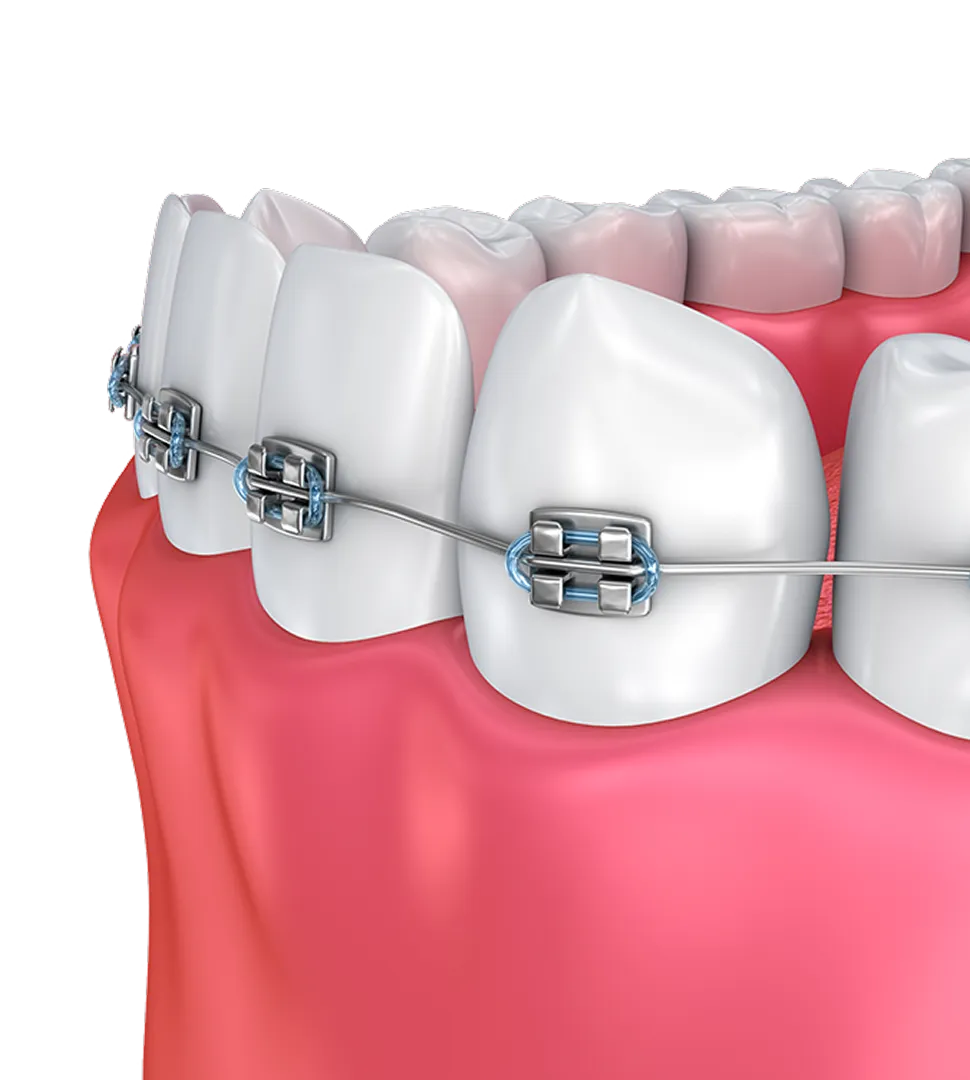
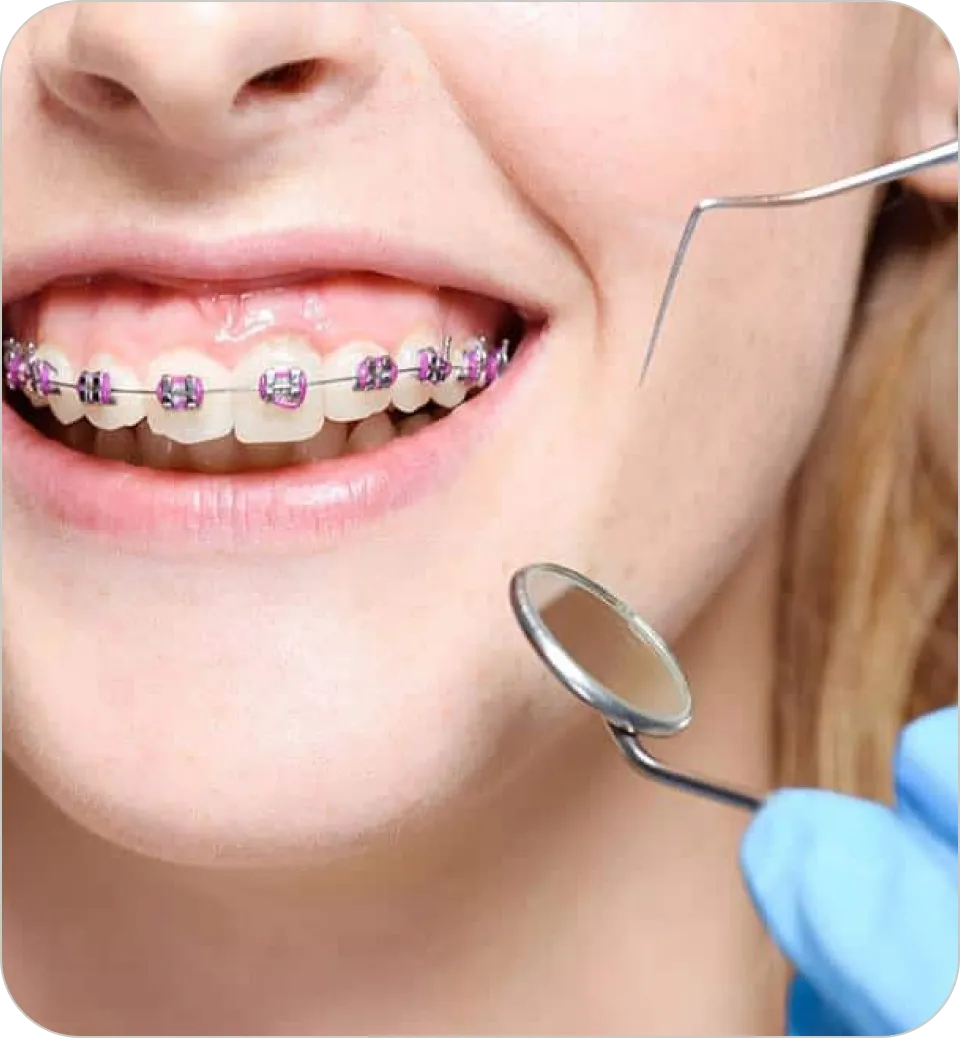
Clear aligners are removable and less visually noticeable, while fixed orthodontic appliances remain attached during treatment. These differences affect eating and oral hygiene access.
How the Orthodontic Problem Influences Treatment Choice
Treatment choice reflects the orthodontic problem, required tooth movements, treatment objectives, and relevant patient factors. No single method suits every treatment need, so these considerations help determine an appropriate orthodontic approach.
Why Orthodontic Assessment and Records Matter Before Treatment
Orthodontic assessment and appropriate diagnostic records document tooth positions, bite relationships, and relevant oral conditions. This information provides the clinical basis for defining treatment objectives, selecting an orthodontic approach, and planning the required tooth movements.
Understanding the Orthodontic Treatment Process
Orthodontic care commonly progresses from initial assessment and records through treatment planning, active tooth movement, ongoing monitoring, and post-treatment retention.
Orthodontic Consultation & Bite Evaluation
The initial assessment reviews tooth positions, how the upper and lower teeth meet, and the patient’s orthodontic concerns and objectives.
Creating Records for Orthodontic Planning
Relevant orthodontic records provide the information needed to plan tooth movements and establish the direction of active treatment.
Beginning Active Treatment
Active treatment begins once the approach and plan are established, with teeth gradually moved toward the positions defined in the treatment plan.
Progress Visits and Monitoring
Follow-up visits evaluate treatment progress and allow treatment needs or appliance-related considerations to be reviewed as orthodontic care continues.
Retention After Active Treatment
Retention follows active treatment because teeth can shift after movement. Retainers help maintain the positions achieved through orthodontic treatment over time.
Orthodontic Considerations for Teens and Adults
Orthodontic needs and treatment considerations vary according to tooth development, oral health, bite relationships, and individual treatment goals.
Orthodontic Treatment During the Teen Years
The teen years are a common time to address alignment and bite concerns as the permanent teeth develop. Treatment recommendations depend on the specific orthodontic problem, oral health, and the type of tooth movement required.
Orthodontic Treatment for Adults
Adults can undergo orthodontic treatment when their oral and periodontal health supports tooth movement. Treatment may address alignment and bite concerns or complement planning for other dental care.
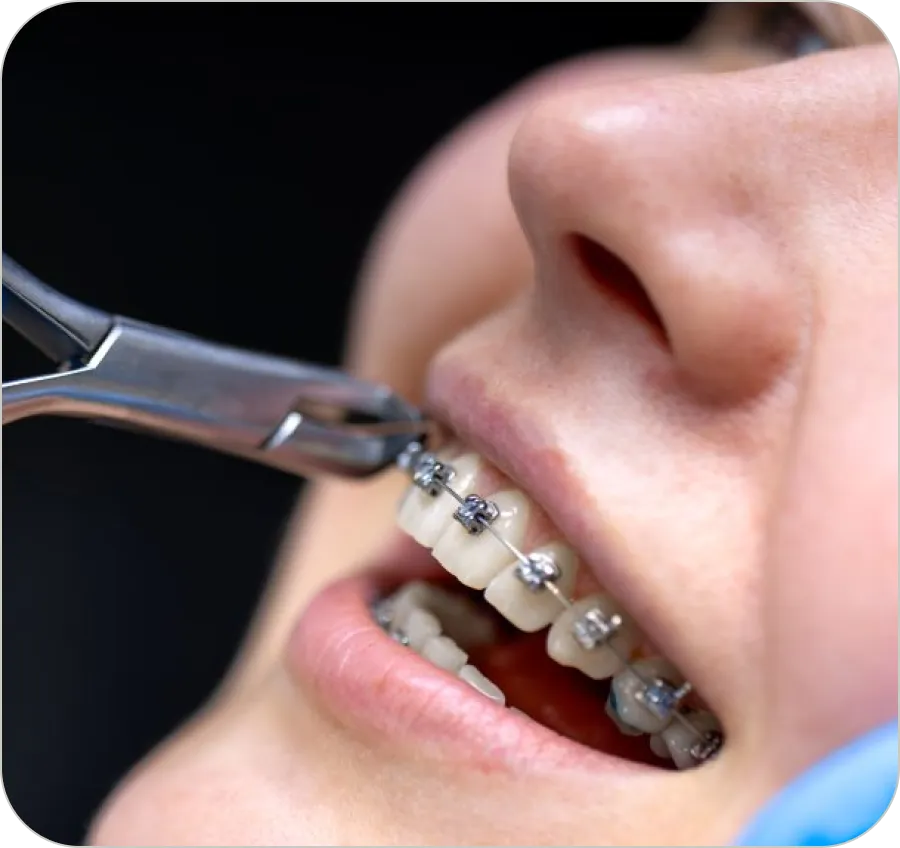
Orthodontics in Cosmetic & Restorative Planning
Tooth position can influence how cosmetic and restorative care is sequenced to support the intended result.
When Alignment Is Considered Before Cosmetic or Restorative Care
Orthodontic movement may sometimes be considered before cosmetic or restorative treatment when tooth position affects the planned result. Learn more about cosmetic and restorative dentistry in Westwood.
How Tooth Position Can Affect Whitening and Veneer Planning
Teeth whitening changes tooth color, while orthodontics changes tooth position. For veneers in Westwood, existing alignment can influence restorative planning and whether orthodontic movement should be considered before veneer treatment.
Connecting Orthodontic and Restorative Treatment Goals
When orthodontic and restorative care are both being considered, treatment goals can be reviewed together to determine whether tooth position should be addressed first and how the proposed treatments fit within the broader dental plan.
Orthodontic Insurance & Cost in Westwood
Orthodontic insurance and treatment costs vary according to coverage and care requirements.
Understanding Orthodontic Insurance Benefits
Orthodontic benefits differ among dental insurance plans. Coverage depends on whether orthodontic care is included, the plan’s specific terms and limitations, and the treatment being considered. Having dental coverage does not necessarily mean orthodontic benefits are included.
What Affects Orthodontic Treatment Cost
Orthodontic treatment cost reflects the care required rather than a single universal price. Key factors include the orthodontic problem being addressed, the treatment approach selected, overall treatment complexity, and the scope of care included in the proposed plan.
Getting a Cost Estimate for Orthodontic Treatment
A meaningful cost estimate follows assessment of the orthodontic needs and proposed treatment plan. The estimate can then reflect the treatment approach, scope of care, and specific orthodontic needs identified during assessment.
Book Your Orthodontic Consultation in Westwood
Schedule an orthodontic consultation in Westwood to discuss your tooth alignment or bite concerns, review your treatment goals, and understand the next steps. Contact Westwood Dental Esthetics to arrange your visit at our Westwood Blvd. location.
Westwood Dental Esthetics
- 1964 Westwood Blvd. Suite 250 Los Angeles, CA 90025
- Phone: (858) 422-3863
- Hours: Mon–Fri 8:00 am–5:00 pm | Sat–Sun Closed