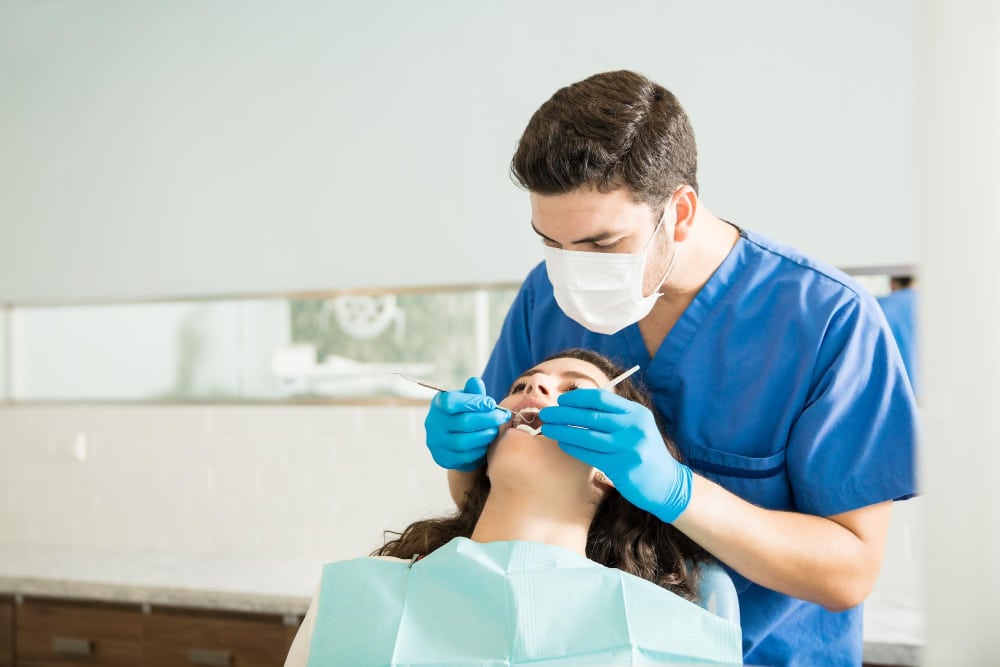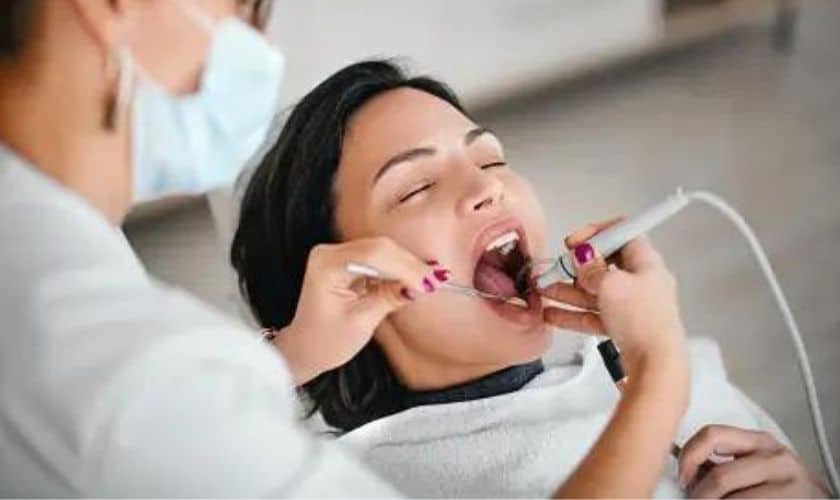
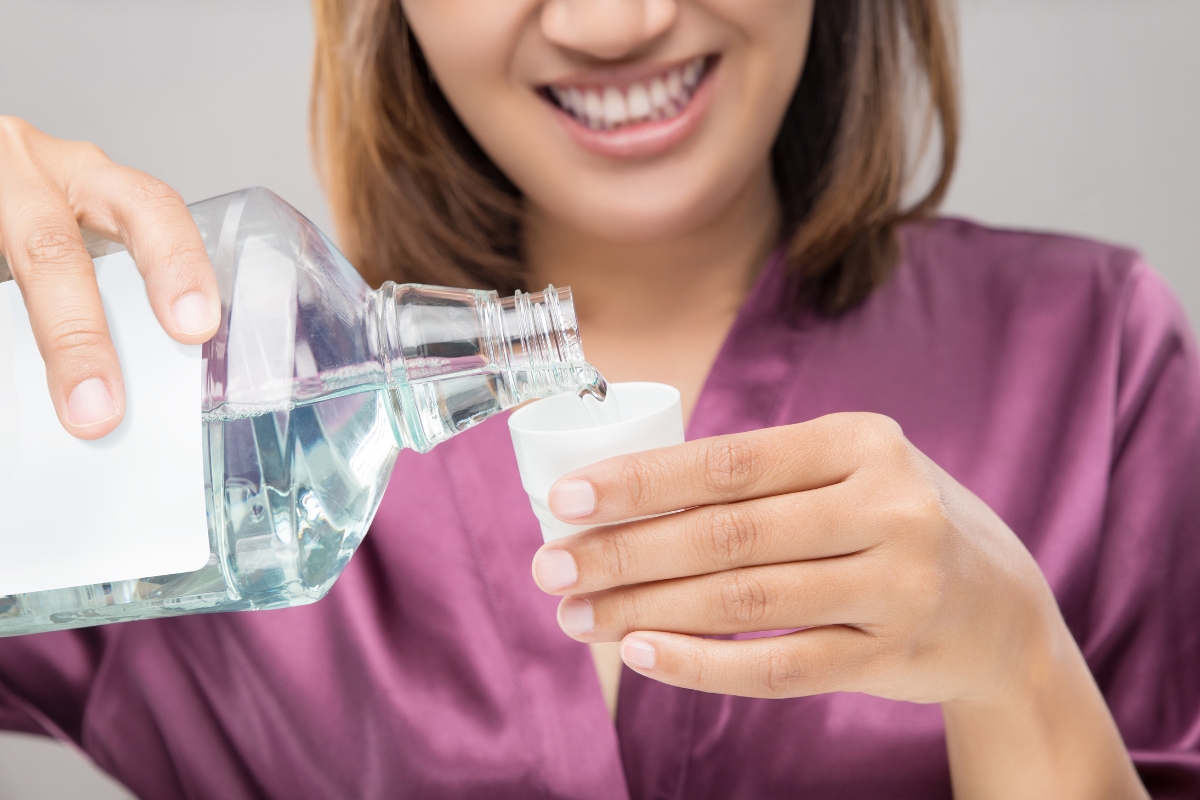
Most people seeking a quick way to freshen up when they’re out and about use mouthwash, but does it play an essential role in keeping their teeth healthy? Whether you’re out enjoying the beautiful weather at Venice Beach or on your way to walk Sunset Boulevard in Los Angeles, taking care of your mouth should always be at the top of your list. Let’s look at when to include mouthwash in your daily hygiene routine and how it fits into your overall oral health plan.
We’ll discuss the various types of mouthwash, their benefits, and when to use them. If you have been wondering whether mouthwash is just a way to eliminate bad breath or an essential part of your dental hygiene program, you’ll find out in this blog!
What’s the Purpose of Mouthwash?
Mouthwash is typically viewed as a quick, easy way to freshen your breath after eating or to eliminate mouth odor; however, it serves other purposes beyond masking odor. Here’s a breakdown of how mouthwash may help with your oral health:
- Fights Plaque and Gingivitis: Some mouthwashes are formulated to reduce plaque buildup. Plaque is a major cause of gum disease (gingivitis). A good mouthwash will help kill germs and bacteria in hard-to-reach areas between teeth that you cannot clean well with a toothbrush.
- Helps Prevent Tooth Decay: Some mouthwashes contain fluoride, an important mineral that helps strengthen your teeth and reduce the risk of cavities.
- Reduces Bad Breath: Mouthwash will not replace brushing and flossing your teeth; however, it can help temporarily mask bad breath by removing the bacteria that cause it.
Mouthwash is only one part of good oral health; it is a supplement to brushing and flossing, not a substitute for either.
Types of Mouthwash and Their Uses
There are several types of mouthwash, and choosing the right one can improve your oral health. As a dentist in Los Angeles, CA, we recommend selecting a mouthwash suited to your needs.
- Antiseptic Mouthwash: Antiseptic mouthwashes kill bacteria that cause gum disease, cavities, and bad breath. It can be a good choice if you have swollen gums or want to rinse your mouth after dental treatment.
- Fluoride Mouthwash: Fluoride mouthwash helps strengthen your teeth’s enamel and prevent cavities. If you are at higher risk of tooth decay, consider using a fluoride mouthwash as part of your dental hygiene routine.
- Natural Mouthwash: Many people use natural mouthwashes that often contain aloe, tea tree oil, or eucalyptus. Natural mouthwashes help freshen your breath and are often alcohol-free, making them milder options for people sensitive to regular mouthwash.
- Cosmetic Mouthwash: Cosmetic mouthwashes are designed to freshen your breath temporarily. They do not eliminate bacteria from the mouth or address the underlying causes of bad breath. Thus, they are only suitable for temporary freshness.
When Should You Use Mouthwash?
If you’re wondering when to incorporate mouthwash into your routine, the answer varies based on your goals. Here are some guidelines on when mouthwash is most effective:
- After Meals: If you can’t brush right away, mouthwash can help clear away food particles and kill odor-causing bacteria, especially if you’re on the go in Los Angeles or out enjoying the beautiful weather.
- Before Bed: Using mouthwash before bed helps disinfect your mouth and prevent bacteria from growing overnight when your mouth is dry.
- Post-Dental Procedures: If you’ve had a dental cleaning, wisdom tooth extraction, or another procedure, your dentist may recommend using mouthwash to aid healing and prevent infection.
- If You’re Prone to Gingivitis: If your gums bleed when you brush or floss, an antimicrobial mouthwash can help reduce inflammation and fight the bacteria that cause it.
Can Mouthwash Replace Brushing and Flossing?
Using mouthwash as an alternative to brushing teeth is not recommended. Properly brushing your teeth for two minutes twice a day and flossing regularly are the best ways to maintain healthy gums and tooth enamel.
Mouthwash is a useful supplementary product; however, it does not provide mechanical help in removing plaque and food particles trapped in the spaces between your teeth. Therefore, using mouthwash to complement brushing and flossing creates a more thorough oral hygiene routine.
Choosing the Right Mouthwash for You
Selecting the right mouthwash can vary significantly and requires a particular recommendation. People who experience gum or tooth sensitivity are encouraged to use fluoridated or alcohol-free varieties. Those people with chronic bad breath may benefit from using an antiseptic mouthwash.
Consulting with a dentist in Los Angeles, CA, can help you find the appropriate mouthwash based on your oral health history.
The Benefits of Professional Dental Care
While mouthwashes can be effective for specific oral issues, routine dental cleaning and exams are essential for overall oral health. Regular appointments with your dentist in Los Angeles, CA, help to identify noticeable problems, such as gum disease or tooth decay, before they progress into more serious conditions. At Westwood Dental Esthetics, we promote prevention through individualized treatment plans tailored to each patient’s lifestyle and oral health objectives.
Conclusion: Your Path to a Healthier Smile
Mouthwash can enhance your oral hygiene when used appropriately; however, it should not replace brushing and flossing. At Westwood Dental Esthetics, we work with patients to develop positive habits while providing routine dental exams. If you are interested in improving your oral hygiene or require additional information about specific products for optimal oral care, we are here to assist you!
To schedule an appointment at Westwood Dental Esthetics and begin your path to a healthier smile, contact us today to arrange a consultation or to obtain product recommendations.
Common Questions People Ask About Mouthwash and Oral Health
Can mouthwash replace brushing and flossing?
No, mouthwash can’t replace the mechanical action of brushing and flossing. It should be used as a supplement to your regular oral hygiene routine.
Is mouthwash safe for everyday use?
Yes, most mouthwashes are safe for daily use. However, it’s essential to choose a mouthwash that fits your needs and consult your dentist for advice.
Can mouthwash help with gum disease?
Some mouthwashes, particularly those with antiseptic properties, can help manage gingivitis by reducing bacterial growth and inflammation.
What’s the best time to use mouthwash?
The best time to use mouthwash is after meals, before bed, or as directed by your dentist. This helps prevent bacterial buildup and promotes overall oral health.