

Bone Grafting in Westwood, Los Angeles

Supporting Jawbone Volume for Future Dental Implant Treatment

Bone grafting is a surgical procedure used to rebuild jawbone that has been lost to extraction, gum disease, or long-term tooth loss. At Westwood Dental Esthetics, Dr. Kaivan Kiai, DDS, USC-trained dentist, uses 3D imaging to confirm whether a graft is actually needed before recommending one, explaining exactly what material is used and why, and carrying your care through to the finished implant. Second opinions on treatment plans from other offices are always welcome.

What Bone Grafting Does

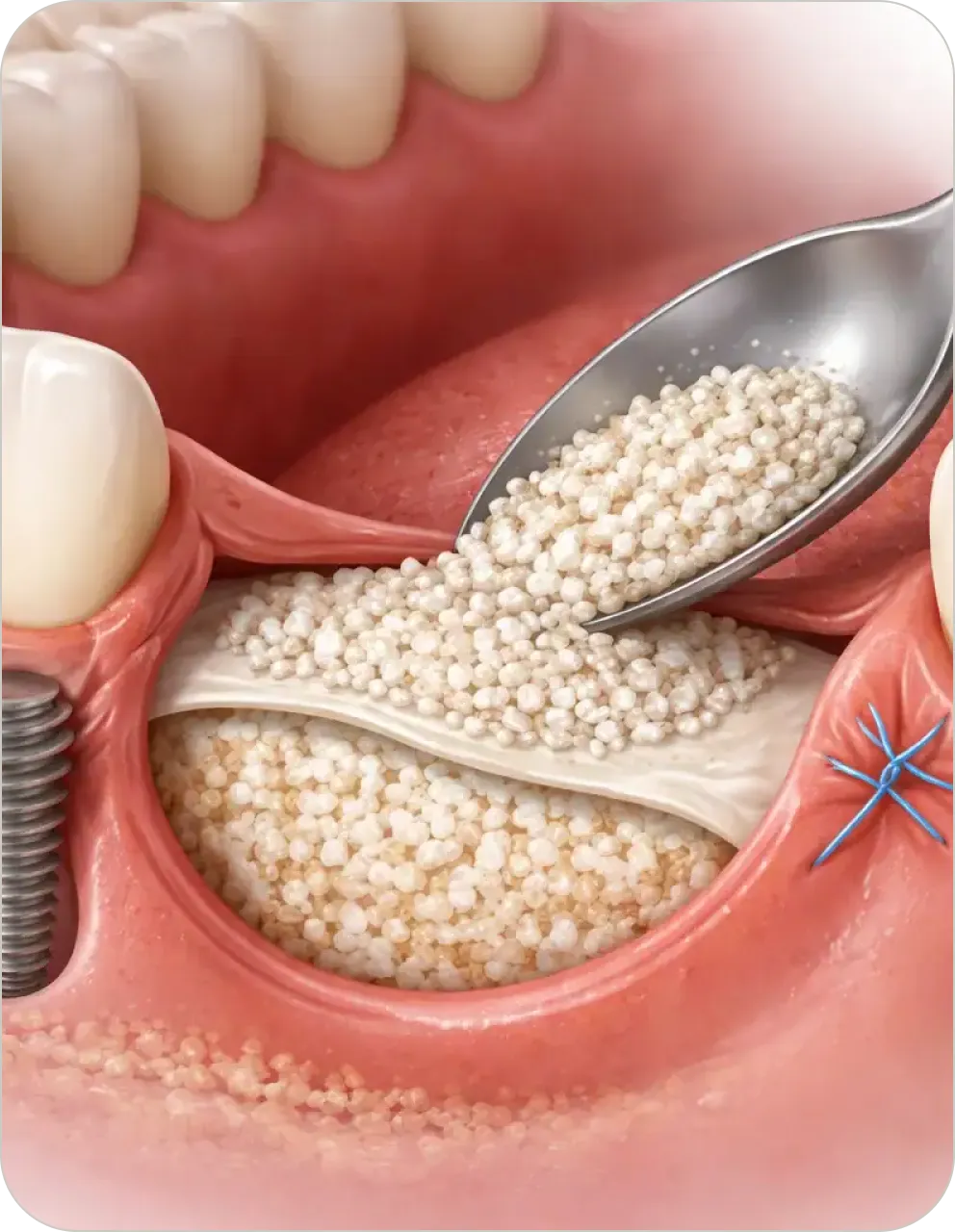
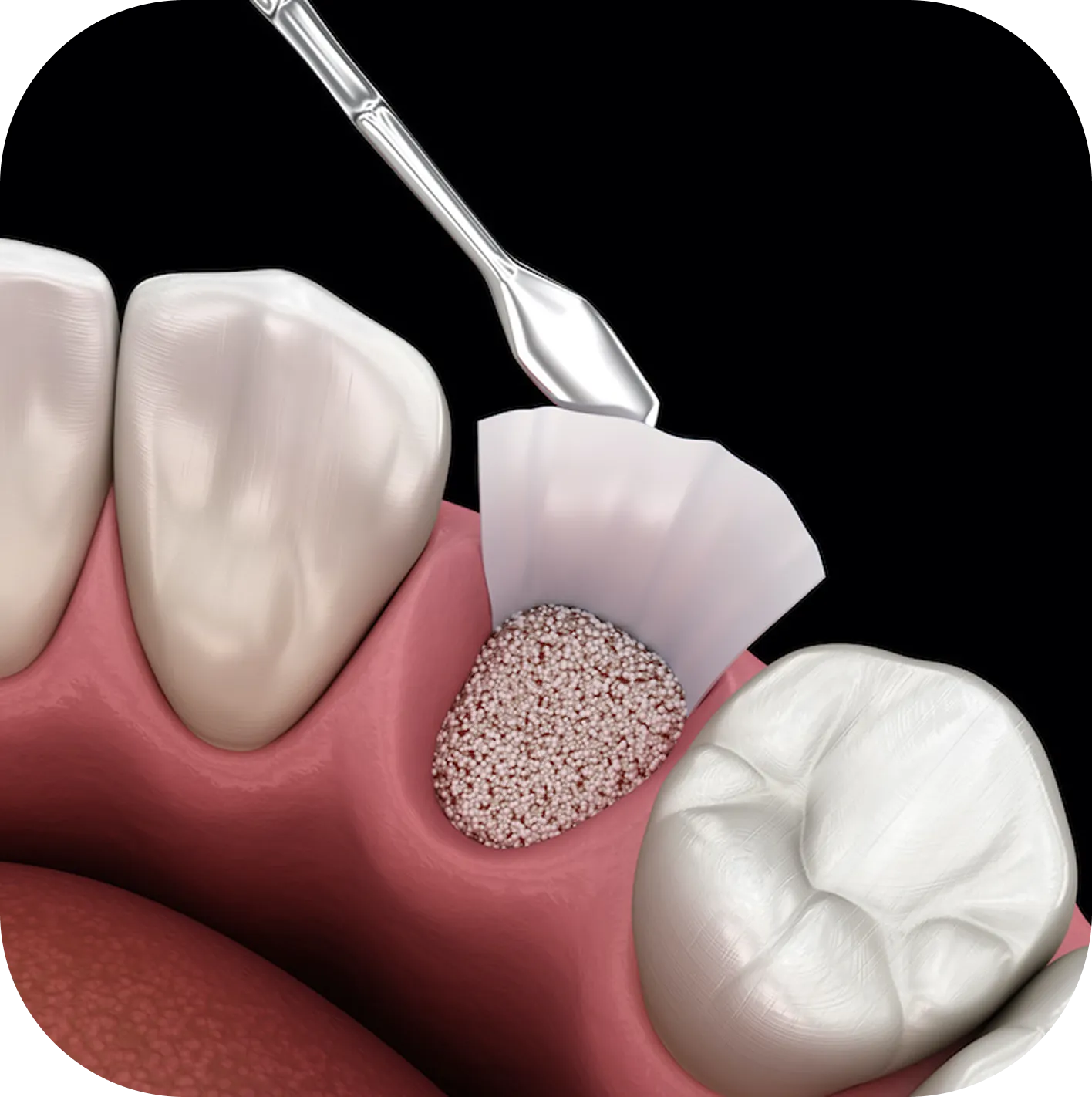
 Bone grafting is a dental procedure used to add or support bone in areas where the jawbone has become too thin, weak, or reduced. Grafting material is placed in the targeted area to help create a stronger foundation for future restorative or implant-related treatment.

The goal is to support bone volume, improve site stability, and help prepare the area for long-term oral-health needs. Bone grafting is often considered when the jawbone does not currently provide enough support for a planned restoration.
Westwood Dental Esthetics

Why Bone Support Matters

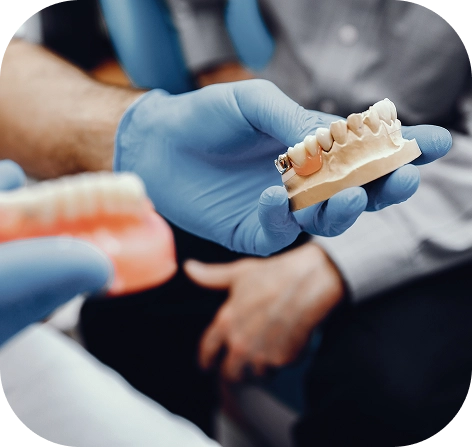
Healthy jawbone helps support teeth, facial structure, and certain tooth replacement options. When a tooth is missing, the bone in that area may gradually shrink because it no longer receives normal stimulation from the tooth root.


Bone loss can make implant placement more difficult and may affect the shape of the gums or surrounding oral structures. Supporting bone volume early may help preserve more treatment options and improve the foundation for future care.
Westwood Dental Esthetics

The Bone Grafting Process

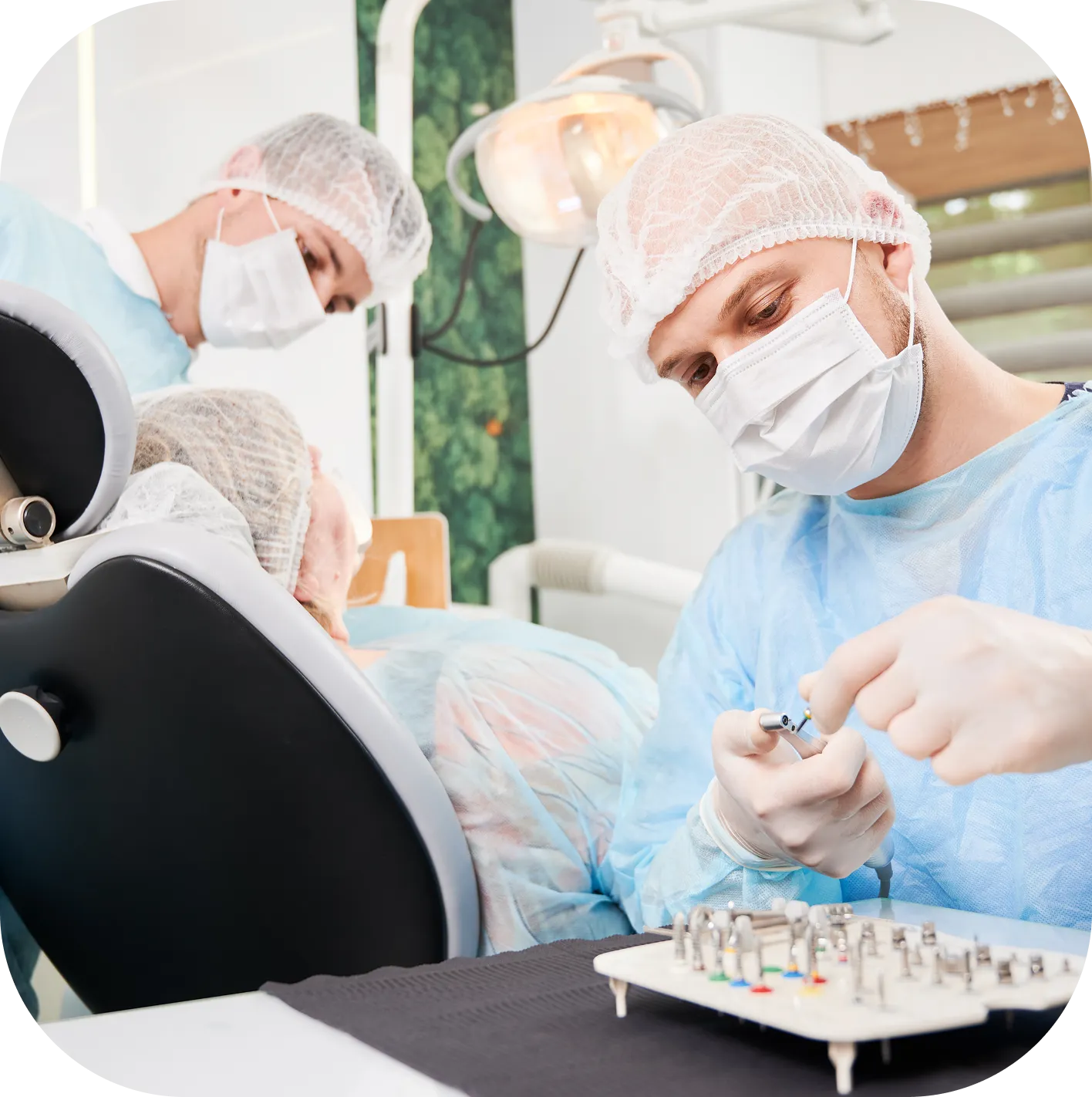
At Westwood Dental Esthetics, the bone grafting process begins with an evaluation to review your oral health, assess the area of concern, and determine whether grafting may be appropriate. Digital imaging or other diagnostic records may be used to evaluate bone volume, tooth position, gum condition, and surrounding structures.


If bone grafting is recommended, the treatment plan is reviewed before the procedure so patients understand the purpose, expected healing period, and next steps. The grafting material is placed in the targeted area, and our team provides aftercare guidance to support healing and future treatment planning.
Westwood Dental Esthetics

When Bone Grafting May Be Recommended

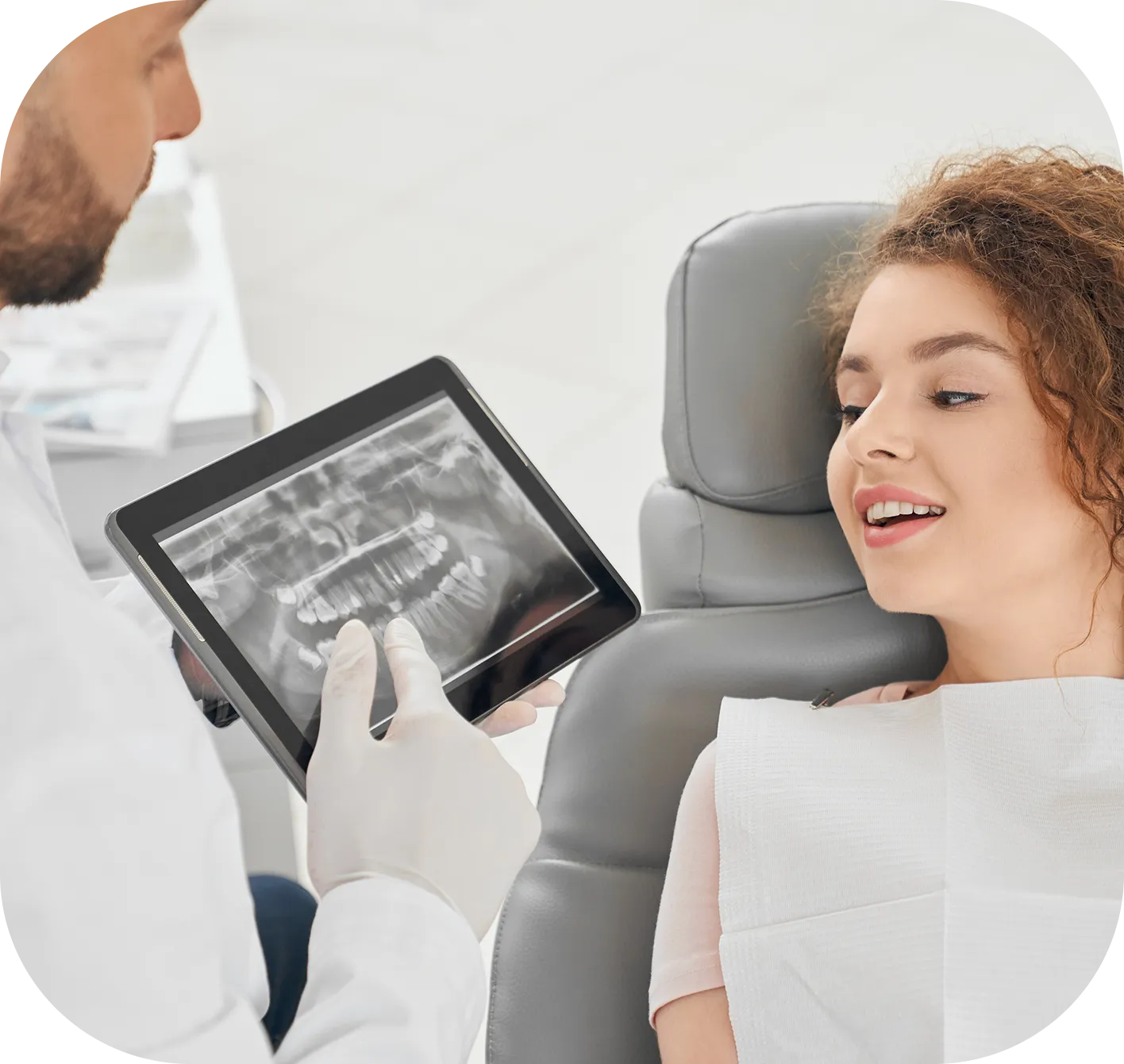
Bone grafting may be recommended for patients who have lost bone after tooth loss, infection, trauma, gum disease, or extraction. It may also be considered when a patient is planning for dental implants but needs additional bone support before implant placement.


A consultation at Westwood Dental Esthetics can help determine whether bone grafting, implant planning, extraction-site preservation, or another treatment option may better fit your needs. Recommendations are based on bone volume, gum health, missing-tooth concerns, medical history, and long-term restorative goals.
Westwood Dental Esthetics

How Bone Grafting Supports Future Treatment

Bone grafting can help support areas of the jaw where bone volume may be insufficient for future restorative or implant-related care. When recommended, it may help improve site stability, preserve oral structures, and support long-term treatment planning. Some potential benefits include:

Support Dental Implant Planning

Dental implants need adequate bone support for proper placement and stability. Bone grafting may help prepare areas where bone volume is not sufficient for implant treatment.

Help Preserve Jawbone Structure

After tooth loss or extraction, the jawbone may gradually shrink in the affected area. Bone grafting can help support the shape and volume of the site as part of a long-term care plan.

Improve Treatment Options

When bone loss limits available choices, grafting may help create more restorative possibilities. This can be especially important for patients considering implant-supported tooth replacement.

Support Gum and Facial Contours

Bone volume can affect the shape of the gums and surrounding facial support. Grafting may help support a healthier foundation for future restorations and smile appearance.

Personalized Site Preparation

Each grafting plan is based on the location, amount of bone loss, and future treatment goals. This helps ensure the area is prepared according to the patient’s specific oral-health needs.

Long-Term Restorative Support

Bone grafting may help create a stronger foundation for future dental work. Regular follow-up visits allow the team to monitor healing and determine when the area is ready for the next stage of care.

Preparing the Jaw for Implant Treatment

Bone grafting is a commonly used procedure to address bone loss and support future dental implant treatment when indicated.—helping you achieve a healthy foundation for future treatments like dental implants. Whether you’ve been missing teeth for years or are beginning your restoration journey, this procedure may play a role in supporting your oral health, depending on your condition.

Contact Encino Dental Esthetics today to learn more about how bone grafting can support your smile. Our team is here to guide you through each step with clear information and appropriate care.


Frequently Asked Questions

Have questions about how we’re different? We’re here to help.

There is no single reliable price for every dental bone graft. Cost varies with the grafting approach, treatment site's size and location, extent of augmentation, materials involved, case complexity, and whether other procedures are part of the treatment plan.

No, not every dental implant requires bone grafting. A graft may be considered when available bone does not adequately support the proposed implant plan, based on site anatomy, bone dimensions, restorative requirements, and other clinical findings.

The treatment area is typically numbed with local anesthetic during dental bone grafting, but tenderness, swelling, or soreness can occur afterward. Pain that worsens rather than improves or otherwise seems concerning should be discussed with the treating dental office.

Early recovery occurs sooner than complete graft maturation. Postoperative symptoms and soft-tissue healing generally improve over days to weeks, while new bone formation and remodeling may continue for several months, depending on the grafting procedure, site, and individual healing response.

There is no single waiting period after a bone graft before implant placement. Some grafted sites need several months of maturation, while selected cases may allow grafting and implant placement during the same procedure when clinical conditions support that approach.

Dental bone graft material can come from the patient's own bone, donated human bone, processed animal-derived material, or synthetic bone substitutes. These categories have different biological and remodeling characteristics, and the appropriate material depends on the specific clinical situation.

Yes, some patients can receive dental implants without bone grafting. Suitability depends on available bone, implant stability, proposed implant position, and restorative requirements. Selected cases may also permit the use of shorter or narrower implants when clinically appropriate.

Coverage depends on the patient's specific dental plan and the proposed procedure. Plans can differ in covered services, exclusions, limitations, deductibles, and annual maximums. Any required preauthorization or predetermination should not be interpreted as a guarantee that the claim will be paid.

A sinus lift is a bone-augmentation procedure for the upper back jaw when available bone beneath the maxillary sinus is insufficient for a proposed implant plan. The procedure creates space for additional bone, but whether it is needed requires individual clinical assessment.

A small number of grain-like particles can sometimes become noticeable after procedures using particulate graft material. This does not automatically indicate graft failure, but substantial or continuing material loss, worsening symptoms, or other concerns should be discussed with the treating dental office.

Worsening rather than improving symptoms can warrant professional evaluation, but they do not by themselves confirm graft failure. Increasing pain or swelling, drainage, fever, or substantial graft-material loss should be discussed with the treating dental office. Difficulty breathing or swallowing requires immediate emergency medical care.

Synthetic bone substitutes, known as alloplasts, are available for some dental grafting applications. Whether one is appropriate depends on the treatment site, defect, treatment goals, material properties, and clinical plan, while patient preferences can also be considered.

This page is for informational purposes. Please consult Dr. Kiai for a personalized treatment evaluation.

New Patients & Emergency Appointments Welcome

Patient Experiences at
Westwood Dental Esthetics

4.9 rating from 94 reviews

Patients visit Westwood Dental Esthetics for a wide range of dental needs, from routine preventive care to more comprehensive cosmetic and restorative treatment. Our reviews reflect the experiences of individuals who value clear communication, attentive care, and a comfortable treatment environment throughout each stage of their dental care journey.
We invite you to explore feedback shared by real patients across verified platforms such as Google to better understand the experience and approach our team strives to provide every day.

Monday 8:00 am-5:00 pm
Tuesday 8:00 am-5:00 pm
Wednesday 8:00 am-5:00 pm
Thursday 8:00 am-5:00 pm
Friday 8:00 am-5:00 pm
Saturday Closed
Sunday Closed

Contact Westwood Dental Esthetics

Have questions about treatment or need help scheduling an appointment? Our team is happy to assist both new and returning patients with a straightforward, supportive experience from the very beginning.
Reach out by phone, email, or through the contact form below, and we’ll help guide you through the next steps toward your dental care goals.

Activated

Accessi by Marketing Planet

Content Controls

Readable FontMay break icons
Dyslexia FontMay break icons
Highlight Titles
Text Magnifier
Left Aligned
Center Aligned
Right Aligned

Design Controls

Dark Contrast
Invert Colors
Light Contrast
Monochrome
High Contrast
High Saturation
Low Saturation

Media and Other Controls

Mute Sounds
Hide Images
Reading Guide
Stop Animations
Reading Mask
Highlight Hover
Highlight Focus
Large Cursor