

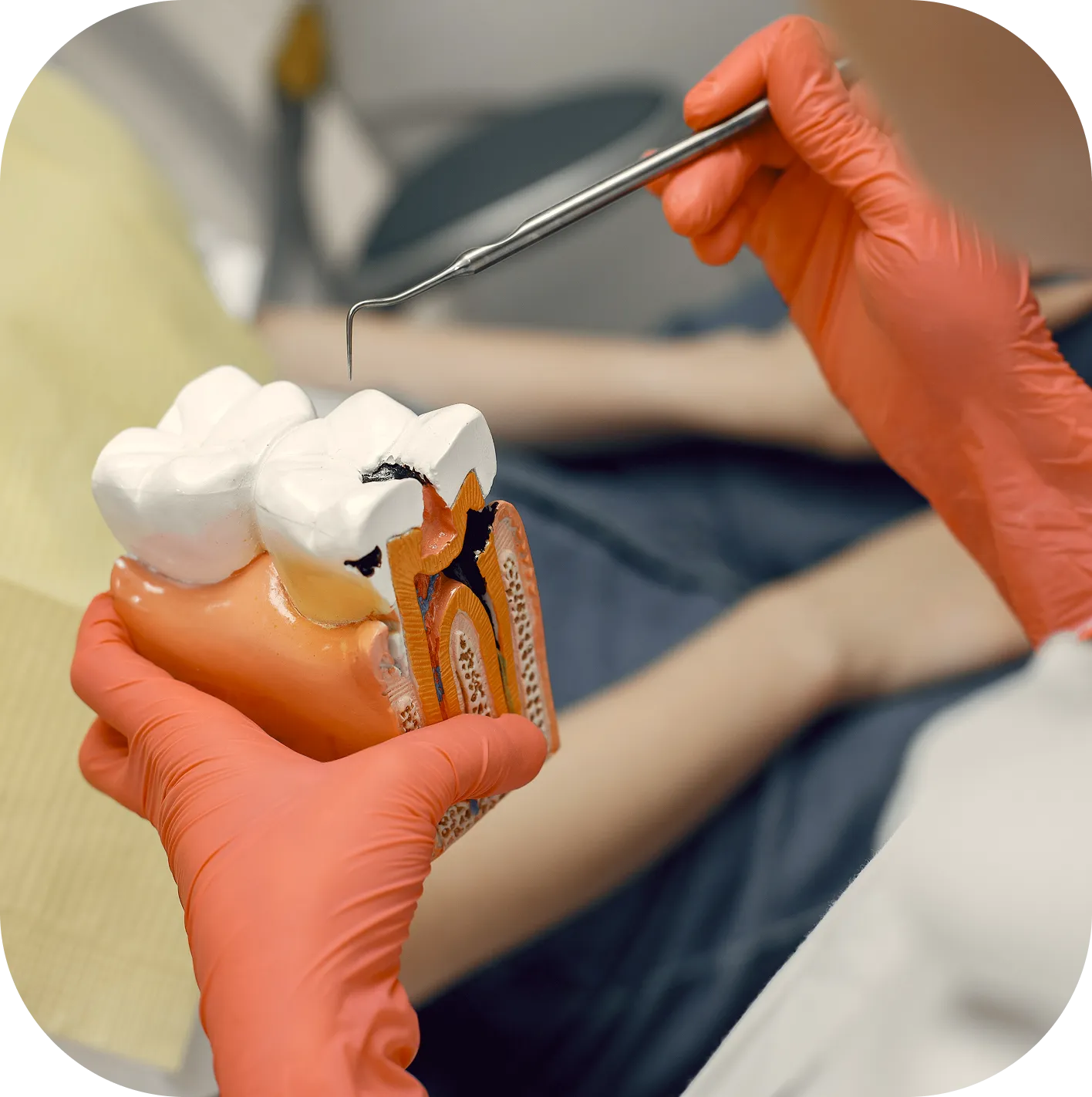
What Root Canal Therapy Treats
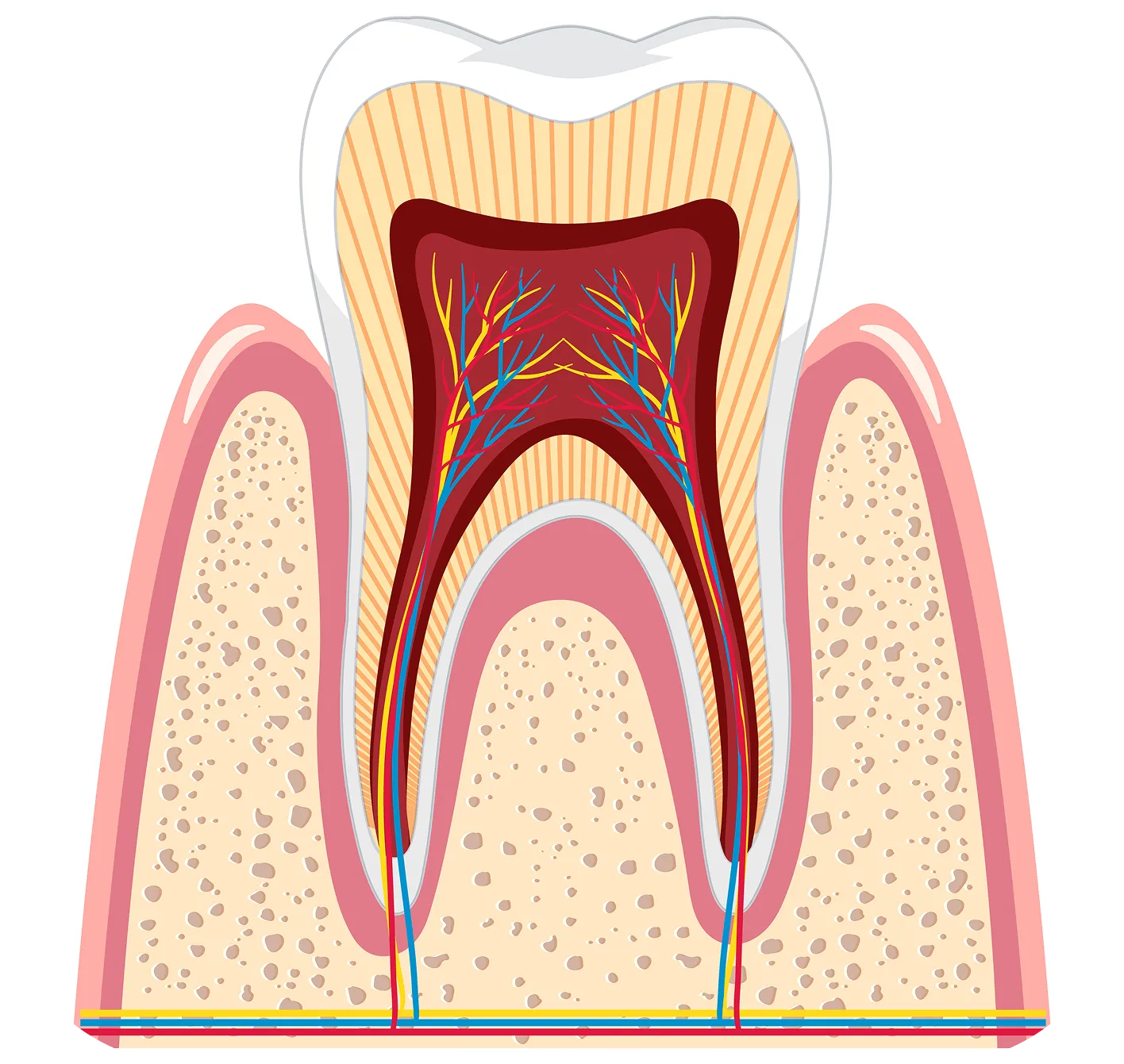
During treatment, the affected pulp tissue is removed, the inner canals are cleaned and shaped, and the space is sealed. The goal is to address the source of infection or inflammation while helping maintain the tooth’s place in the bite.
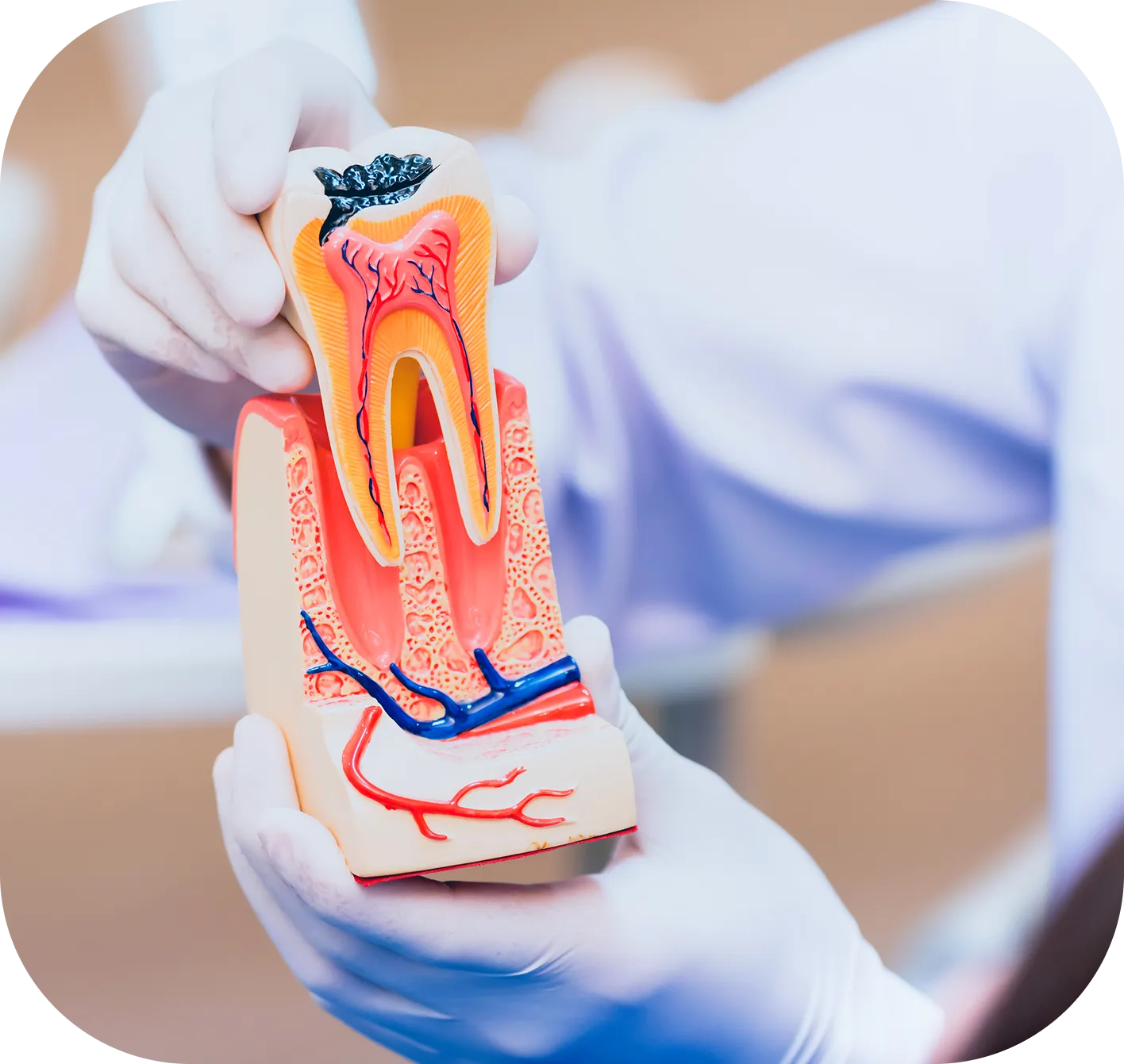
Why Saving the Tooth Matters

The Root Canal Therapy Process
At Westwood Dental Esthetics, the root canal therapy process begins with an evaluation to review your symptoms, examine the tooth, and determine whether the pulp is inflamed, infected, or damaged. Digital imaging or other diagnostic records may be used to assess the tooth roots, surrounding bone, and overall structure.
If root canal therapy is recommended, local anesthetic is used to help keep the area comfortable during treatment. The affected inner tissue is removed, the canals are cleaned and sealed, and a restoration or crown may be planned afterward to help protect the tooth.
Is Root Canal Therapy Right for You?
Root canal therapy may be suitable for patients with deep decay, lingering temperature sensitivity, tooth pain, swelling, a cracked tooth, or infection affecting the inner part of the tooth. It may also be considered when a tooth can still be predictably restored and preserved.
A consultation at Westwood Dental Esthetics can help determine whether root canal therapy, a dental crown, tooth extraction, or another treatment option may better fit your needs. Recommendations are based on your symptoms, tooth structure, infection risk, bite function, and long-term treatment goals.

Benefits of Root Canal Therapy
Root canal therapy does more than relieve tooth discomfort. It can help preserve natural tooth structure, restore function, and reduce the risk of further complications. Some potential benefits include:
Preserve the Natural Tooth
Root canal therapy may help save a tooth that would otherwise need removal. Keeping the natural tooth supports bite function and helps maintain the position of surrounding teeth.
Relieve Tooth Pain and Pressure
Inflamed or infected pulp tissue can cause persistent discomfort, pressure, or sensitivity. Root canal therapy addresses the affected inner tissue to help relieve symptoms linked to the damaged pulp.
Support Chewing Function
A treated and properly restored tooth can continue helping with everyday chewing. Protecting the tooth with an appropriate restoration may support comfort, strength, and daily use.
Reduce Infection Risk
Removing infected tissue from inside the tooth helps address the source of the problem. Timely treatment may reduce the risk of infection spreading into surrounding tissues.
Maintain Smile Appearance
Preserving the natural tooth can help avoid a visible gap, especially when the affected tooth is in a noticeable area. A final restoration can help the tooth blend with the surrounding smile.
Avoid Certain Replacement Needs
When a tooth can be saved, root canal therapy may help patients avoid extraction and some tooth replacement procedures. This can make treatment more conservative when preservation is appropriate.