

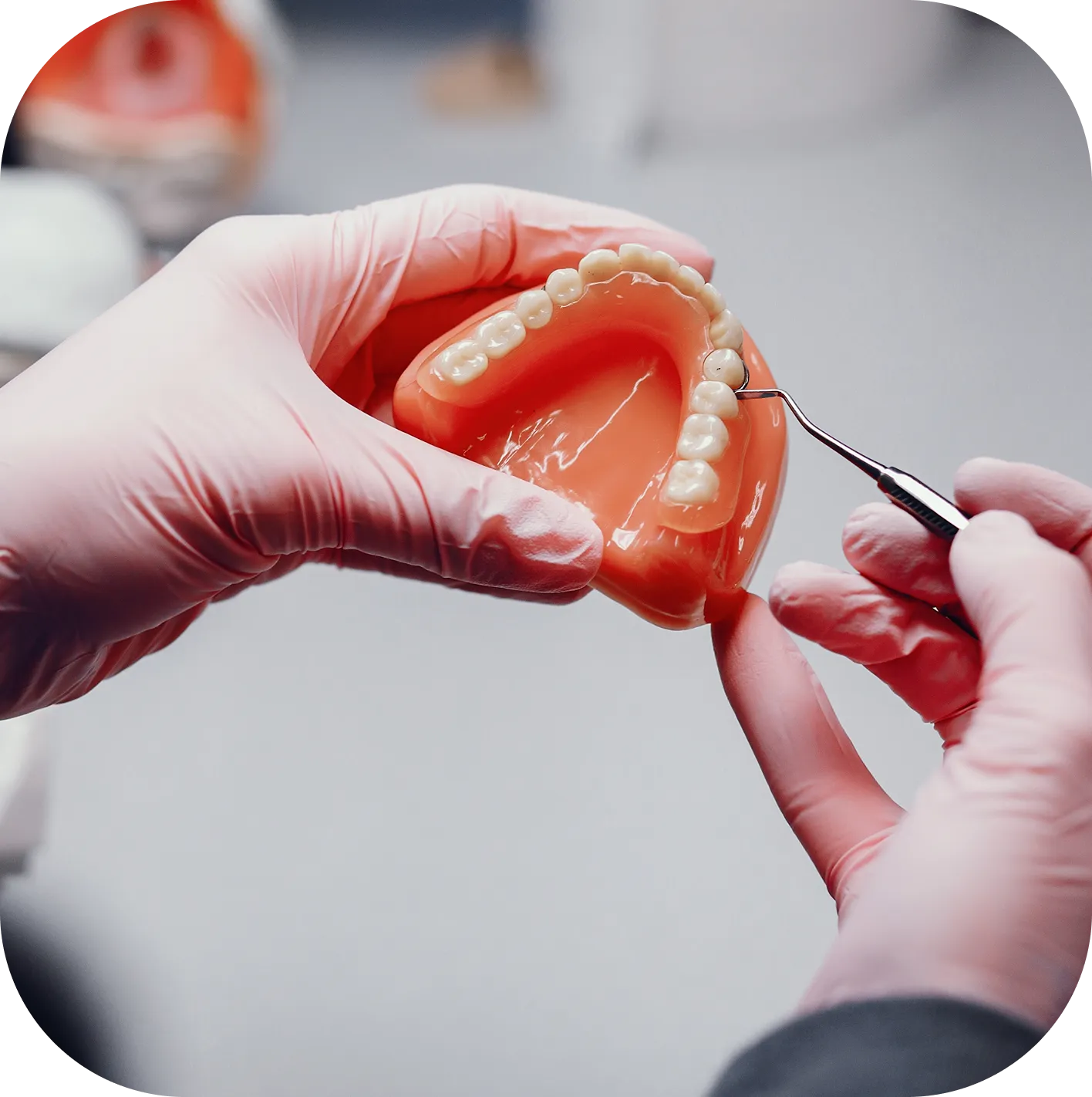
Understanding Dental Bridges
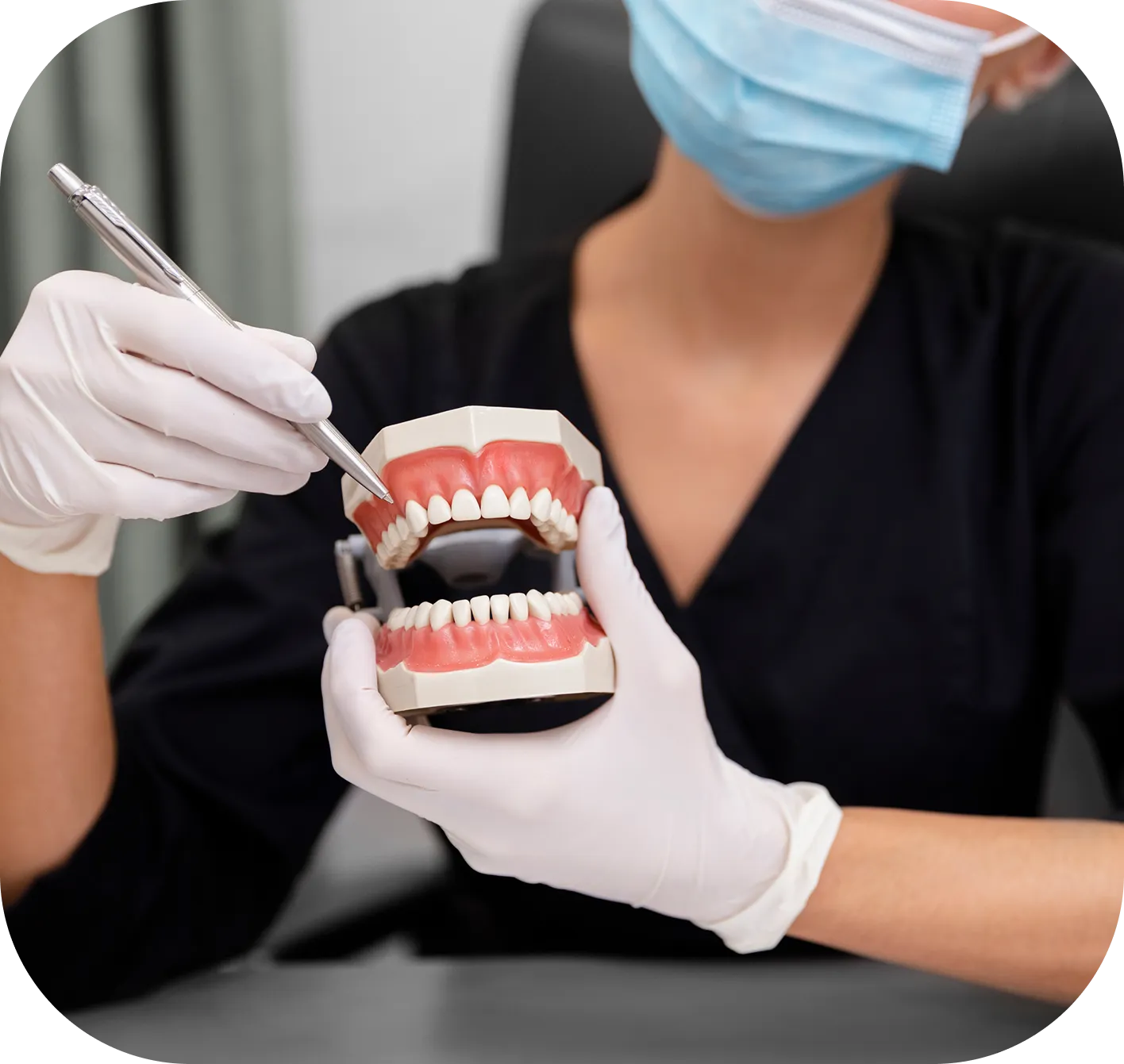
How Dental Bridges Restore Missing Teeth
A dental bridge works by filling the space left by one or more missing teeth with a custom replacement tooth or teeth. Depending on the treatment plan, the bridge may be supported by crowns on nearby teeth or by dental implants.
By closing the gap, a bridge can help restore chewing comfort, support clearer speech, and reduce the chance of nearby teeth gradually shifting toward the open space. The goal is to restore the missing area in a way that feels stable, looks natural, and works comfortably with the patient’s bite.

The Dental Bridge Process
At Westwood Dental Esthetics, the dental bridge process begins with a consultation to evaluate your oral health, review the missing-tooth area, and determine whether a bridge may be appropriate. Digital imaging, impressions, or other records may be taken to assess tooth support, spacing, bite function, and surrounding structures.
If a bridge is recommended, the supporting teeth are prepared, and a custom bridge is designed to fit the area comfortably. Once the final restoration is ready, our team checks the fit, makes adjustments when needed, and provides guidance on care and maintenance.
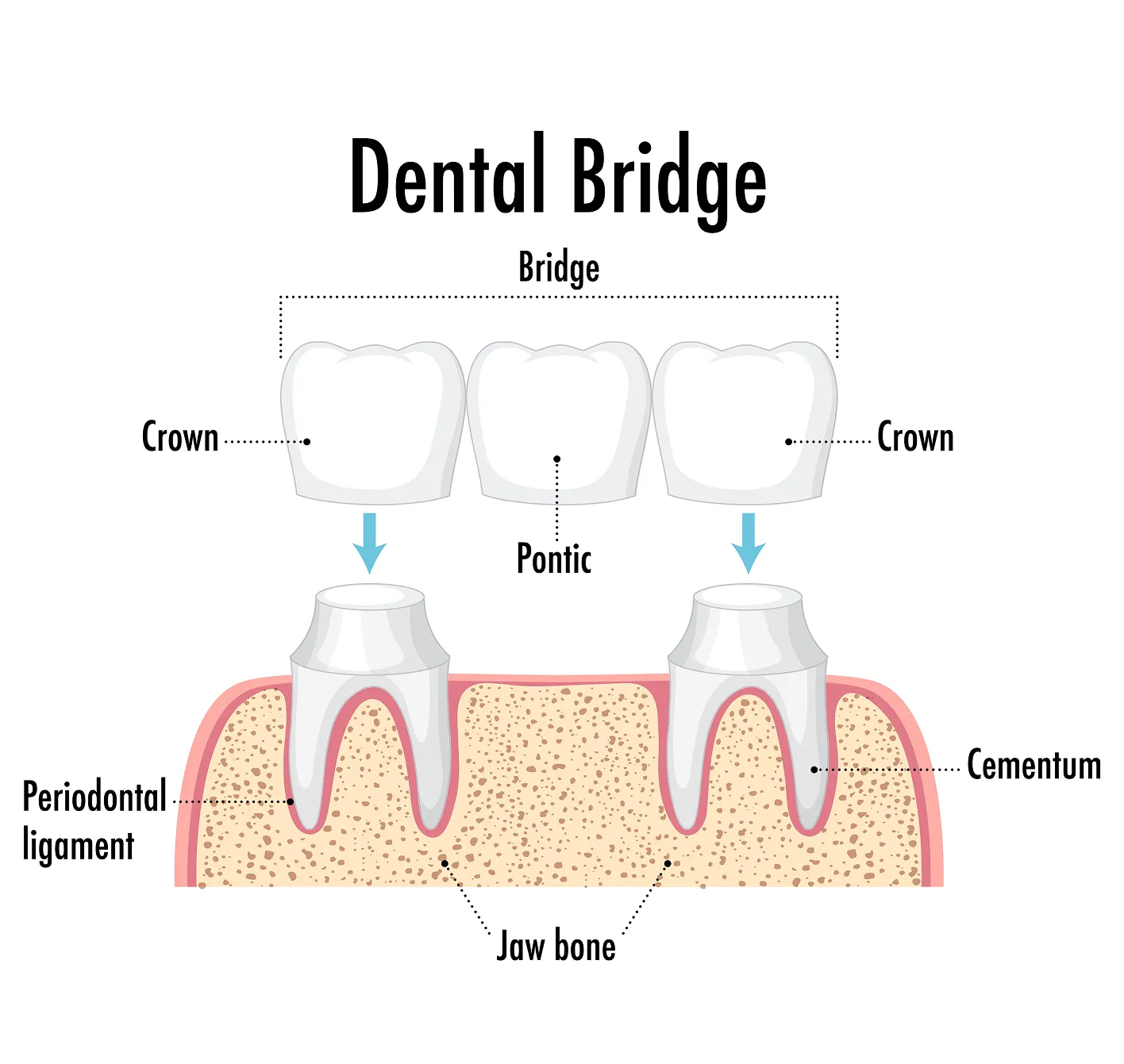
Are Dental Bridges Right for You?
Dental bridges may be suitable for patients missing one or more teeth who want a fixed replacement option that supports chewing, smile appearance, and everyday comfort. They may also be considered when nearby teeth can provide stable support or when implant-supported options are part of the treatment plan.
A consultation at Westwood Dental Esthetics can help determine whether a dental bridge, dental implant, partial denture, or another tooth replacement option may better fit your needs. Recommendations are based on your oral health, remaining teeth, bite function, comfort preferences, and long-term treatment goals.

Benefits of Dental Bridges
Dental bridges do more than close visible gaps in the smile. They can help support daily function, bite balance, and overall oral comfort. Some potential benefits include:
Restore Chewing Function
Missing teeth can make it harder to chew comfortably and evenly. Dental bridges fill the missing space and help restore bite support for everyday eating.
Natural-Looking Appearance
Custom dental bridges are designed to blend with nearby teeth in shape, size, and color. They help restore visible gaps and support a more complete, balanced smile.
Support Tooth Position
When a tooth is missing, nearby teeth may gradually shift toward the open space. A dental bridge helps fill that gap and may support better alignment of the surrounding teeth.
Improve Confidence
Replacing missing teeth can help patients feel more comfortable smiling, speaking, and participating in daily interactions. A fuller smile may support greater confidence in social and professional settings.
Fixed Fit for Daily Use
Dental bridges are secured in place and do not need to be removed for daily function. Proper design and adjustments help improve comfort, stability, and usability throughout the day.
Practical Tooth Replacement Option
For many patients, dental bridges may provide a practical way to restore appearance and function after tooth loss. They can be especially useful when the surrounding teeth also benefit from crown coverage.