

What Dental Crowns Do
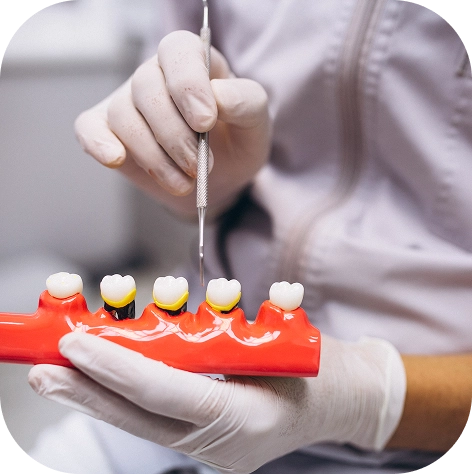
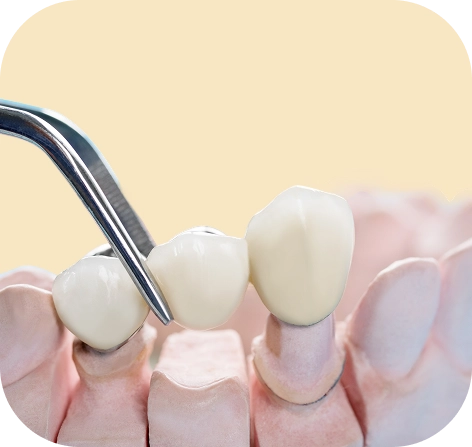
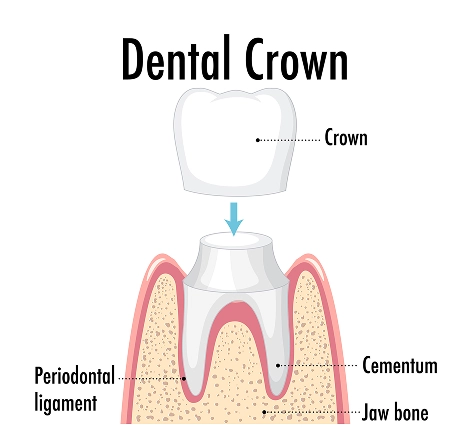
Dental crowns are custom restorations that cover the visible portion of a tooth. They are designed to protect weakened tooth structure, restore chewing function, and improve the tooth’s shape, size, or appearance when a filling alone may not provide enough support.
A crown can help hold together a tooth that has been damaged by decay, fracture, wear, or previous dental treatment. The goal is to preserve the natural tooth when possible while improving comfort, function, and long-term stability.
When a Crown May Be Recommended
A dental crown may be recommended when a tooth has lost too much structure to be restored predictably with a filling. This may happen after deep decay, a large existing filling, a crack, root canal therapy, or significant bite-related wear.
Crowns may also be used to improve the appearance of a tooth with shape, color, or structural concerns. Each recommendation depends on the remaining tooth structure, bite forces, gum health, and the overall treatment plan.
The Dental Crown Process
At Westwood Dental Esthetics, the dental crown process begins with a consultation to evaluate the affected tooth, review symptoms or concerns, and determine whether a crown may be appropriate. Digital imaging, impressions, or other records may be used to assess tooth structure, bite function, and surrounding tissues.
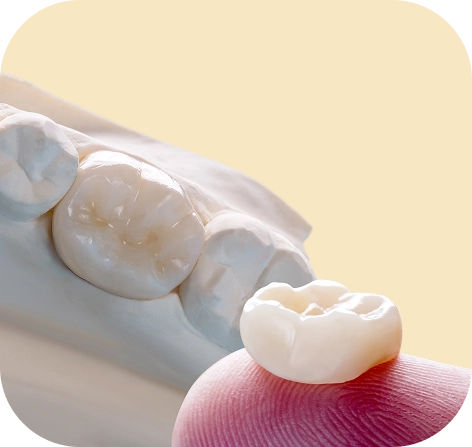
If a crown is recommended, the tooth is prepared, and a custom restoration is designed to fit comfortably within the bite. Once the crown is ready, our team checks the fit, makes adjustments when needed, and bonds the crown securely in place.
Are Dental Crowns Right for You?
Dental crowns may be suitable for patients whose teeth need more coverage, strength, or shape correction than a smaller restoration can provide. They may also be considered when preserving the natural tooth is possible, but the remaining structure needs added protection for daily chewing.
A consultation at Westwood Dental Esthetics can help determine whether a dental crown, filling, inlay, onlay, veneer, or another restorative option may better fit your needs. Recommendations are based on how much healthy tooth structure remains, where the tooth is located, how the bite functions, and what appearance or durability goals are involved.

Benefits of Dental Crowns
Dental crowns do more than cover damaged teeth. They can help support chewing function, tooth protection, and smile appearance. Some potential benefits include:
Protect Weakened Teeth
Teeth with cracks, large fillings, or structural damage may be more vulnerable to further breakdown. A dental crown helps cover and reinforce the remaining tooth structure.
Restore Chewing Function
A damaged tooth can make biting or chewing uncomfortable. Dental crowns are designed to restore shape and bite support so patients can chew with greater comfort.
Natural-Looking Appearance
Custom crowns are designed to blend with surrounding teeth in shape, size, and color. They can improve the appearance of damaged, worn, or visibly restored teeth.
Support Long-Term Tooth Preservation
When a tooth can still be saved, a crown may help preserve it by protecting the remaining structure. This can reduce the need for more involved treatment when restoration is appropriate.
Improve Bite Stability
A properly designed crown helps restore the tooth’s role in the bite. This can support better balance between the teeth and improve comfort during daily function.
Custom Fit for Daily Use
Dental crowns are made to fit each patient’s tooth, bite, and smile. Proper design and adjustments help improve comfort, stability, and usability throughout the day.