


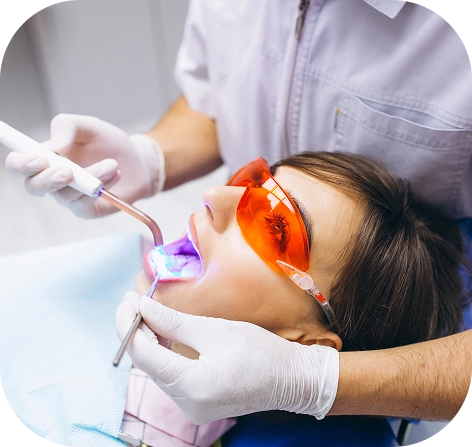
What Teeth Whitening Does
Teeth whitening is a cosmetic dental treatment used to lighten stains and improve the brightness of natural teeth. Professional whitening uses dentist-supervised whitening materials designed to reach stains within the enamel more effectively than many over-the-counter products.
Whitening does not change the color of crowns, veneers, fillings, or other restorations. The goal is to brighten natural tooth structure while helping patients achieve a cleaner, fresher-looking smile.
When Teeth Whitening May Be Recommended
Teeth whitening may be recommended when natural teeth have become dull, yellowed, or stained from foods, drinks, tobacco use, aging, or surface discoloration. It may also be considered before other cosmetic treatments so the final smile color can be planned more clearly.
The suitability of whitening depends on the type of discoloration, enamel condition, gum health, sensitivity risk, and existing dental work. Deep internal discoloration or color differences caused by restorations may need a different cosmetic approach.
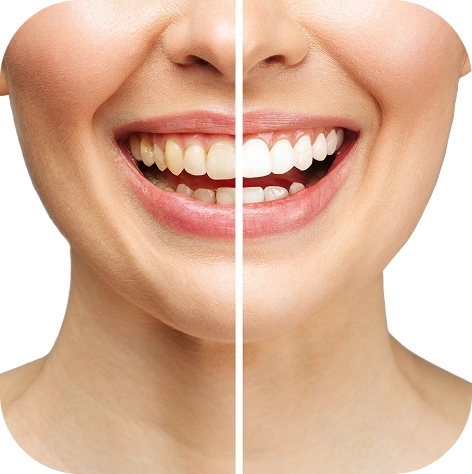

The Teeth Whitening Process
At Westwood Dental Esthetics, the teeth whitening process begins with an evaluation to review your smile goals, assess discoloration, and determine whether whitening may be appropriate. Our team checks for sensitivity risks, exposed root areas, restorations, and oral-health concerns that should be addressed before treatment.
If whitening is recommended, the treatment plan is selected based on your goals and tooth condition. Our team provides guidance on what to expect, how to manage sensitivity if it occurs, and how to help maintain brightness after treatment.

Choosing the Right Whitening or Cosmetic Option
Teeth whitening may be a good option when the goal is to brighten natural enamel without changing tooth shape or structure. However, restorations, deep internal discoloration, exposed root surfaces, or uneven tooth color may require a different cosmetic approach.
A consultation at Westwood Dental Esthetics can help determine whether teeth whitening, veneers, bonding, crowns, or another cosmetic option may better fit your needs. Recommendations are based on stain type, enamel health, existing restorations, sensitivity concerns, and long-term appearance goals.
Benefits of Teeth Whitening
Teeth whitening does more than improve tooth color. It can help refresh the smile, support cosmetic confidence, and complement broader smile goals. Some potential benefits include:
Brighten Natural Teeth
Professional whitening can help reduce visible staining on natural enamel. This may create a brighter, cleaner-looking smile without altering tooth shape.
Conservative Cosmetic Option
Whitening is a non-invasive cosmetic treatment that does not require reshaping healthy tooth structure. It may be appropriate for patients seeking noticeable improvement with a conservative approach.
Improve Smile Confidence
A brighter smile can help patients feel more comfortable in social, personal, and professional settings. Whitening may support a refreshed appearance with a relatively simple treatment plan.
Support Cosmetic Planning
Whitening may be recommended before bonding, crowns, or veneers so cosmetic treatment can be planned around a brighter natural tooth shade. This can help create a more consistent final result.
Customized Treatment Guidance
Professional evaluation helps determine whether whitening is appropriate and how sensitivity risk should be managed. This guidance is especially important for patients with gum recession, enamel wear, or existing dental work.
Maintain a Fresher-Looking Smile
With good home care and regular dental visits, whitening results may be maintained over time. Limiting frequent stain exposure and following aftercare guidance can help support longer-lasting brightness.