


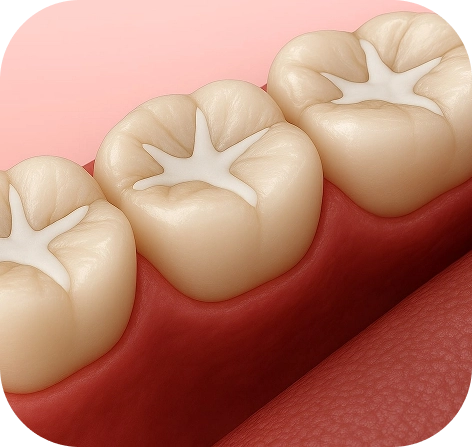
What Dental Sealants Do
Dental sealants are thin protective coatings placed over the chewing surfaces of back teeth. These teeth often have small pits and grooves where plaque and food particles can collect, even with regular brushing.
By covering those grooves, sealants create a smoother surface that is easier to keep clean. The goal is to help protect cavity-prone areas before decay develops, especially on teeth that are difficult to clean thoroughly during daily brushing.
Why Back Teeth Need Extra Protection
Molars and premolars do most of the heavy chewing, and their uneven surfaces naturally include grooves, pits, and narrow spaces. These areas can be more likely to collect bacteria and food particles, particularly in patients who have deeper tooth anatomy or a history of cavities.
Sealants provide extra support for these chewing surfaces by reducing the spaces where buildup can settle. They do not replace brushing, flossing, or regular dental visits, but they can be a useful part of a broader preventive care plan.
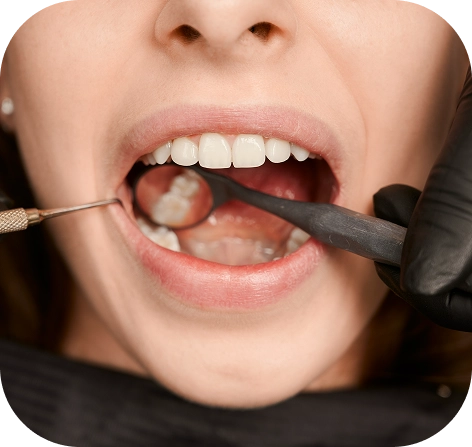

The Dental Sealant Process
At Westwood Dental Esthetics, the dental sealant process begins with an evaluation to determine whether the chewing surfaces may benefit from added protection. The teeth are cleaned, dried, and prepared so the sealant material can bond properly to the enamel surface.
Once the sealant is applied, it is shaped into the grooves and hardened. Our team checks the bite afterward to make sure the surface feels comfortable, then provides guidance on home care and routine monitoring during future dental visits.
Are Dental Sealants Right for You?
Dental sealants may be suitable for patients with deep grooves in the back teeth, a higher cavity risk, or difficulty keeping certain chewing surfaces fully clean. They are often recommended for younger patients after permanent molars erupt, but some adults may also benefit depending on tooth anatomy and decay risk.
A consultation at Westwood Dental Esthetics can help determine whether dental sealants, fluoride treatment, improved home-care strategies, or another preventive option may better fit your needs. Recommendations are based on your cavity history, enamel condition, tooth grooves, oral-hygiene habits, and long-term prevention goals.

Benefits of Dental Sealants
Dental sealants do more than cover the chewing surfaces of back teeth. They can help support cavity prevention, easier cleaning, and long-term enamel protection. Some potential benefits include:
Protect Cavity-Prone Grooves
Deep grooves in molars and premolars can hold plaque and food particles. Dental sealants help cover these areas, reducing the chance of buildup settling into hard-to-clean spaces.
Support Preventive Care
Sealants are used before decay develops in vulnerable areas. They can be part of a preventive plan designed to protect enamel and reduce future restorative needs.
Make Teeth Easier to Clean
By smoothing the chewing surface, sealants can make certain grooves easier to brush. This may help patients maintain cleaner back teeth during daily home care.
Help Younger Patients Build Protection
Permanent molars can be more vulnerable to cavities soon after they erupt. Sealants may help protect these teeth while children and teens continue building consistent brushing habits.
Non-Invasive Application
Dental sealants are applied to the tooth surface without drilling into healthy tooth structure. The process is typically quick, conservative, and completed during a preventive dental visit.
Long-Term Cavity Risk Support
With proper care and routine monitoring, sealants may help reduce cavity risk in selected areas over time. Regular dental visits allow the team to check whether sealants remain intact and functioning properly.